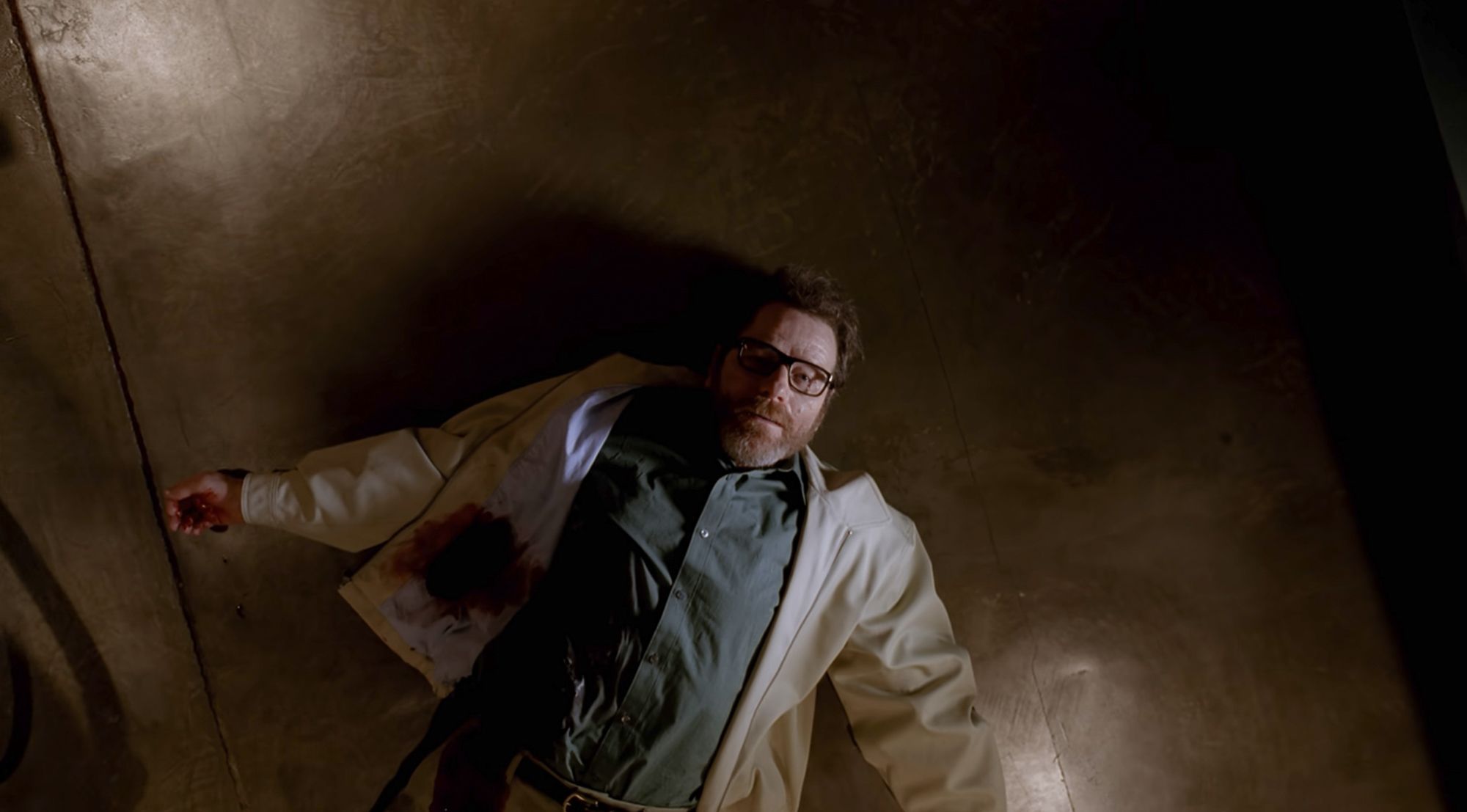
Why Breaking Bad Still Feels Like the Greatest TV Series Ever Made — 13 Years After Walter White’s Final Scene
Walter White begins Breaking Bad as a high school chemistry teacher washing cars after work to help support his family.
By the end, he has become Heisenberg—a calculating drug kingpin whose choices have destroyed relationships, taken lives and transformed nearly everyone who came close to him.
The extraordinary part is not that Walter changes.
It is that viewers can trace almost every step that gets him there.
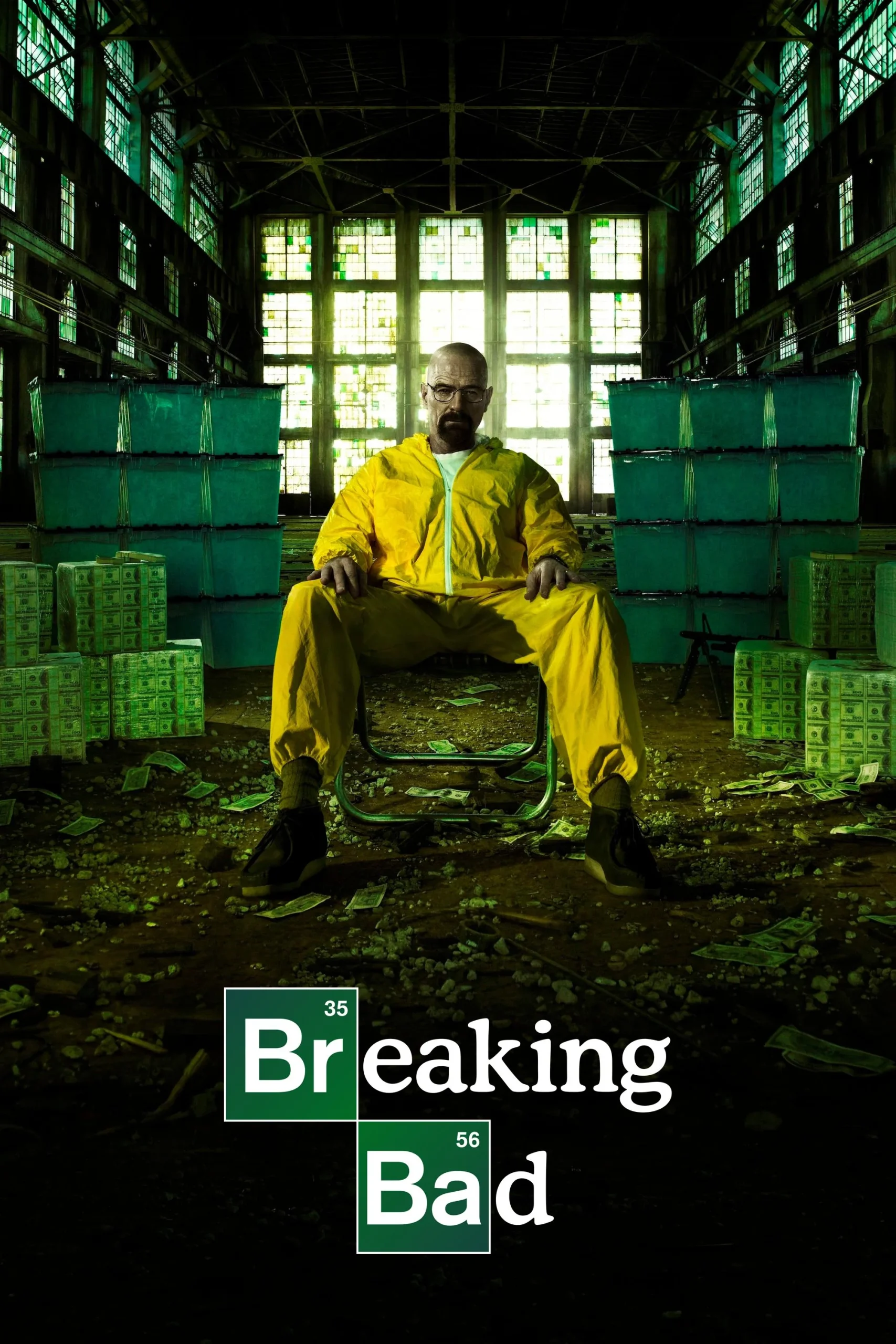
That carefully constructed transformation is the foundation of Breaking Bad, which premiered in 2008 and concluded in 2013. More than a decade later, arguments about television’s greatest series still regularly include Vince Gilligan’s crime drama. Rolling Stone placed it at No. 3 on its 2022 ranking of the 100 greatest television shows, while its fifth season famously received a Metacritic score of 99, recognized by Guinness World Records.
But ratings and awards only explain part of its reputation.
What makes Breaking Bad so difficult to surpass is how many elements worked at once—and how rarely the show wasted any of them.
1. Walter White Actually Changes
Many television protagonists remain fundamentally recognizable for years because successful shows need to preserve what audiences initially liked about them.
Breaking Bad does the opposite.
Vince Gilligan built the series around transformation.
Walter begins with a cancer diagnosis and an apparently understandable objective: earn enough money to protect his family financially after his death. AMC’s own description of the series emphasizes that diagnosis and his decision to enter the drug trade as a way to secure his family’s future.
But the explanation gradually stops matching the behavior.
Money becomes power.
Survival becomes pride.
Providing becomes controlling.
By the finale, Walt finally admits what the audience has increasingly understood: the empire was also about him.
Gilligan later described the audience’s relationship with Walt as something resembling a social experiment. He expected viewers to lose sympathy as Walt became increasingly selfish, yet many continued rooting for him.
That uncomfortable loyalty is one reason the character remains fascinating.
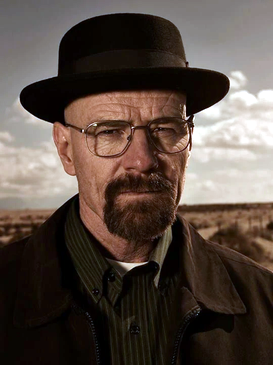
2. Bryan Cranston Made the Transformation Believable
Before Breaking Bad, Bryan Cranston was widely known for playing the chaotic but lovable father Hal on Malcolm in the Middle.
Walter White changed that perception completely.
Cranston never turns Heisenberg into a different person overnight. The performance develops through posture, pauses, expressions and gradually increasing confidence.
Early Walt often looks trapped inside his own body.
Later Walt walks into rooms expecting everyone else to adjust to him.
The Television Academy records four Outstanding Lead Actor in a Drama Series Emmy wins for Cranston’s performance, including three consecutive victories early in the run and another for the final season.
The awards mattered, but the real achievement was making viewers believe that the frightened teacher from the pilot and the man confronting an entire criminal empire were the same person.
3. Jesse Pinkman Became the Show’s Emotional Counterweight
Walter’s descent would have been much colder without Jesse Pinkman.
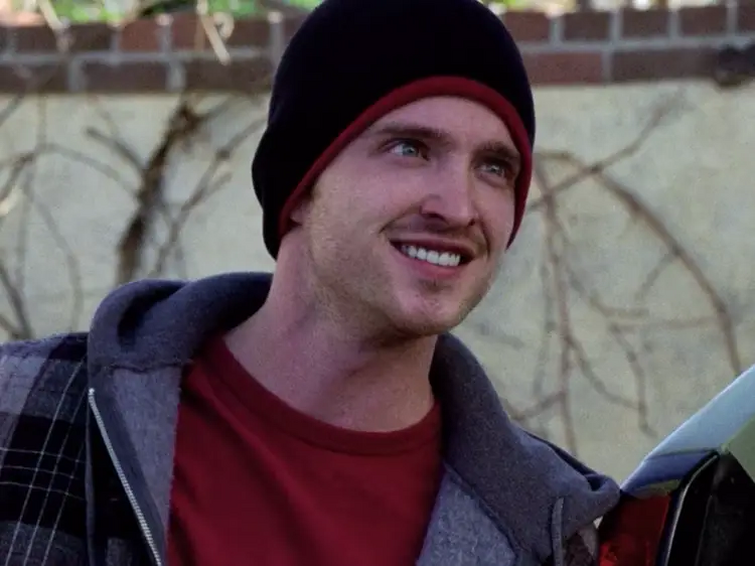
Aaron Paul’s character begins as an irresponsible former student who seems far less capable than his teacher.
Then something unexpected happens.
As Walt becomes more comfortable with cruelty, Jesse becomes increasingly haunted by it.
He suffers guilt where Walt learns to rationalize.
He cares about people Walt increasingly treats as pieces on a board.
Their relationship constantly shifts between teacher and student, partners, surrogate family members, manipulators and enemies.
Aaron Paul ultimately won three supporting-actor Emmys for the role.
More importantly, Jesse keeps the consequences of Walt’s decisions emotionally visible.
When Walt finds another justification, Jesse often carries the damage.
4. Even the Supporting Characters Could Carry a Series
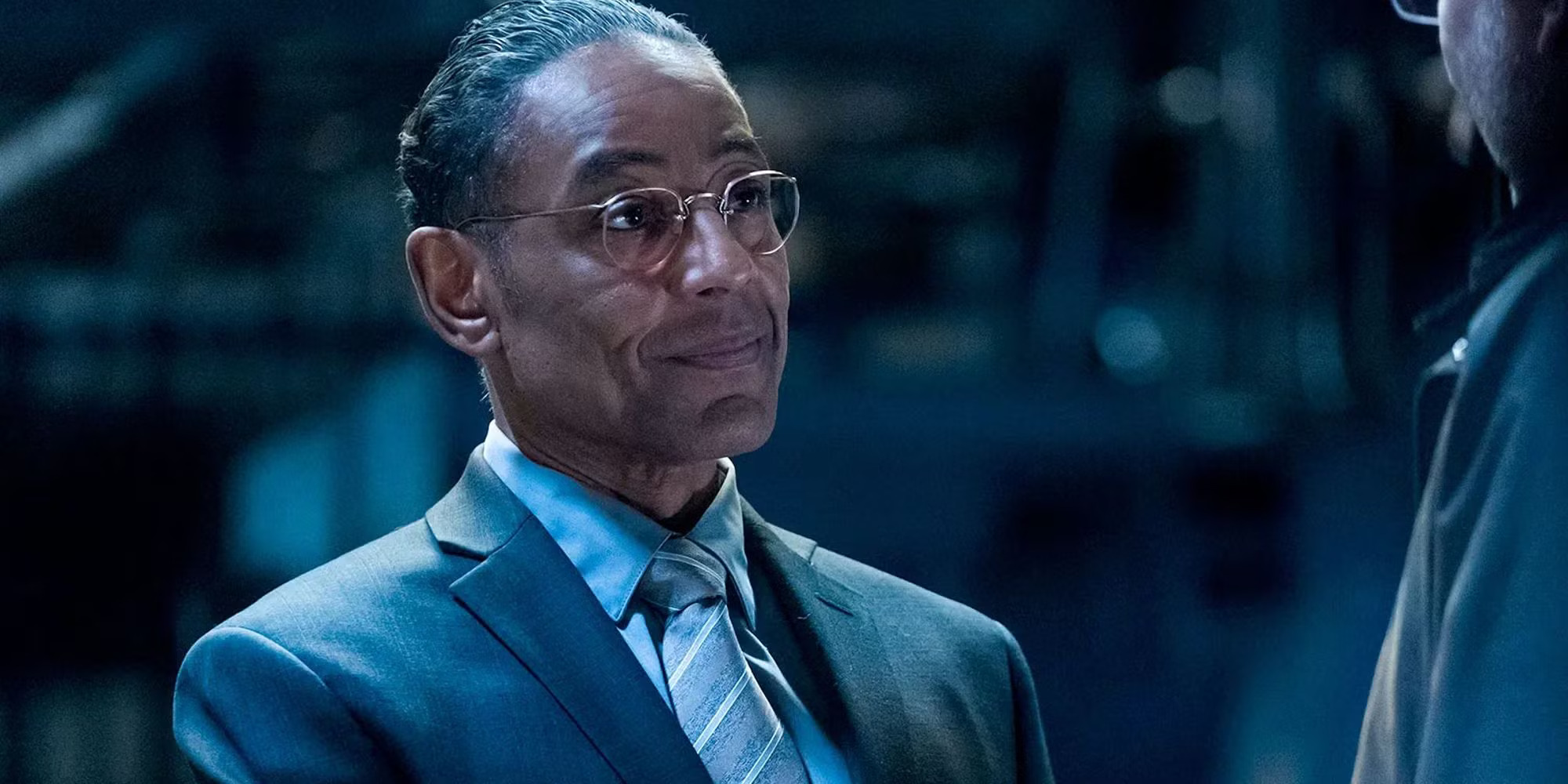
Gus Fring could have been a conventional villain.
Instead, Giancarlo Esposito made him terrifying precisely because he rarely behaves like one.
Mike Ehrmantraut is a criminal fixer who somehow develops one of the show’s clearest moral codes.
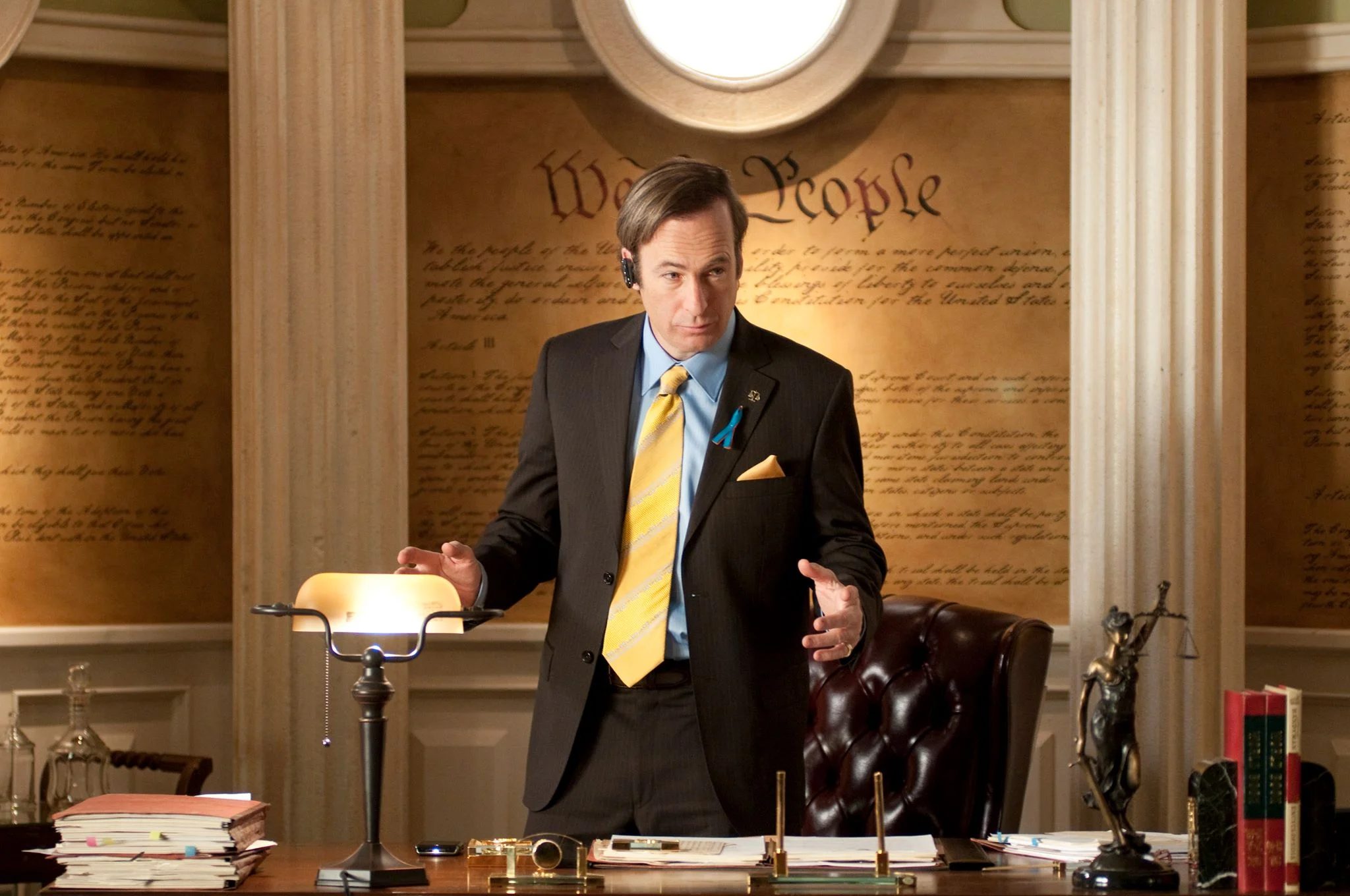
Saul Goodman initially arrives as comic relief and becomes so compelling that Bob Odenkirk’s character eventually anchors an entire prequel series.
Hank Schrader begins as an aggressively confident DEA agent who can seem almost cartoonish. His investigation gradually transforms him into one of the drama’s most important figures.
And Skyler White is crucial because she forces the series to examine Walter from inside the family he claims to be protecting.
These characters do not simply orbit the protagonist.
They challenge the story’s version of him.
5. Small Decisions Have Enormous Consequences
Breaking Bad rewards attention.
An object introduced casually can become important episodes later. A lie told to solve one problem creates several new ones. A single act of violence rarely disappears once the scene ends.
This creates something increasingly rare in long-running television: consequences that accumulate.
Walter cannot simply reset after an episode.
Neither can Jesse, Skyler, Hank or anyone else.
The story keeps its receipts.
That structure makes later seasons feel powerful because viewers understand exactly how much history exists behind every confrontation.
6. The Suspense Comes From Intelligence, Not Just Violence
Some of Breaking Bad’s most memorable scenes involve almost no action.
A conversation over dinner can feel dangerous.
A man quietly walking toward a nursing home room can create more tension than a prolonged gunfight.
A fly inside a laboratory can become the focus of an entire episode.
The series understands that suspense depends on information: who knows what, who suspects what, and what will happen when two characters finally discover the same truth.
That is why the confrontation between Hank and Walt becomes so powerful.
Years of storytelling are suddenly concentrated into recognition.
The danger existed long before either man openly acknowledged it.
7. Albuquerque Became Part of the Story
Breaking Bad does not look like generic television.
The New Mexico landscape gives the series enormous visual identity: empty deserts, burning sunlight, distant mountains, industrial laundries, suburban homes and roadside businesses.
Cinematographer Michael Slovis discussed how the production used New Mexico’s landscape to give the series a cinematic scale, while the visual language became known for large wide shots and unusual camera placement.
The desert becomes especially important.
It can feel beautiful, empty and threatening at the same time.
Some of the show’s most consequential moments happen there because the landscape strips away normal civilization. There is nowhere for Walt’s decisions to hide.
8. The Show Knew When to End
Many celebrated television series face the same problem: success creates pressure to continue.
Breaking Bad instead moved toward an ending.
That matters enormously to its legacy.
The final stretch does not feel like writers searching for another direction. Earlier decisions begin colliding. Walt’s empire collapses. Relationships reach irreversible conclusions. Secrets finally become impossible to contain.
The final episode, “Felina,” gives major characters resolution without pretending Walter can undo what he caused. Contemporary reviews praised the finale for combining tension and emotion with an unusually clear sense of closure.
A great ending cannot rescue five weak seasons.
But a bad ending can permanently damage how people remember five great ones.
Breaking Bad avoided that fate.
9. Its Awards Reflect an Unusually Complete Ensemble
The Television Academy lists Breaking Bad with 58 Emmy nominations and 16 wins.
The series won Outstanding Drama Series in both 2013 and 2014. Cranston won again for Walter in 2014, Aaron Paul won supporting actor, and Anna Gunn won supporting actress.
That final awards run reflected something viewers had already seen onscreen.
The show was not being carried by one exceptional performance.
Writing, directing, acting, editing and visual storytelling were all operating at an unusually high level simultaneously.
10. The Ending Expanded Into an Entire Universe Without Weakening the Original
After Walter White’s story ended, the world continued.
Better Call Saul traced Jimmy McGill’s transformation into Saul Goodman while expanding the stories of Mike, Gus and others. Netflix’s El Camino later followed Jesse Pinkman after his escape, with Vince Gilligan writing and directing the film.
Those projects proved how rich the original world had been.
But importantly, neither was required to fix Breaking Bad.
Walter White’s story already had an ending.
The later works added perspective rather than repairing unfinished business.
That may be the strongest reason Breaking Bad continues to survive every new debate about the greatest television drama.
It was ambitious without becoming uncontrolled.
It was cinematic without forgetting that television’s greatest advantage is time.
And it took one simple idea—a desperate chemistry teacher deciding to manufacture meth—and followed the consequences until the man making excuses at the beginning could no longer hide from the truth about himself.
Walter once said everything was for his family.
By the end, even he finally understood otherwise.
That completed transformation—from Walter White to Heisenberg and finally to a man capable of admitting why he did it—is why Breaking Bad still feels less like a television series that ended in 2013 and more like a benchmark every great drama since has been forced to confront.