A Toddler Wouldn’t Buckle Up Before Takeoff — Minutes Later, an Entire Flight to Toronto Was Canceled
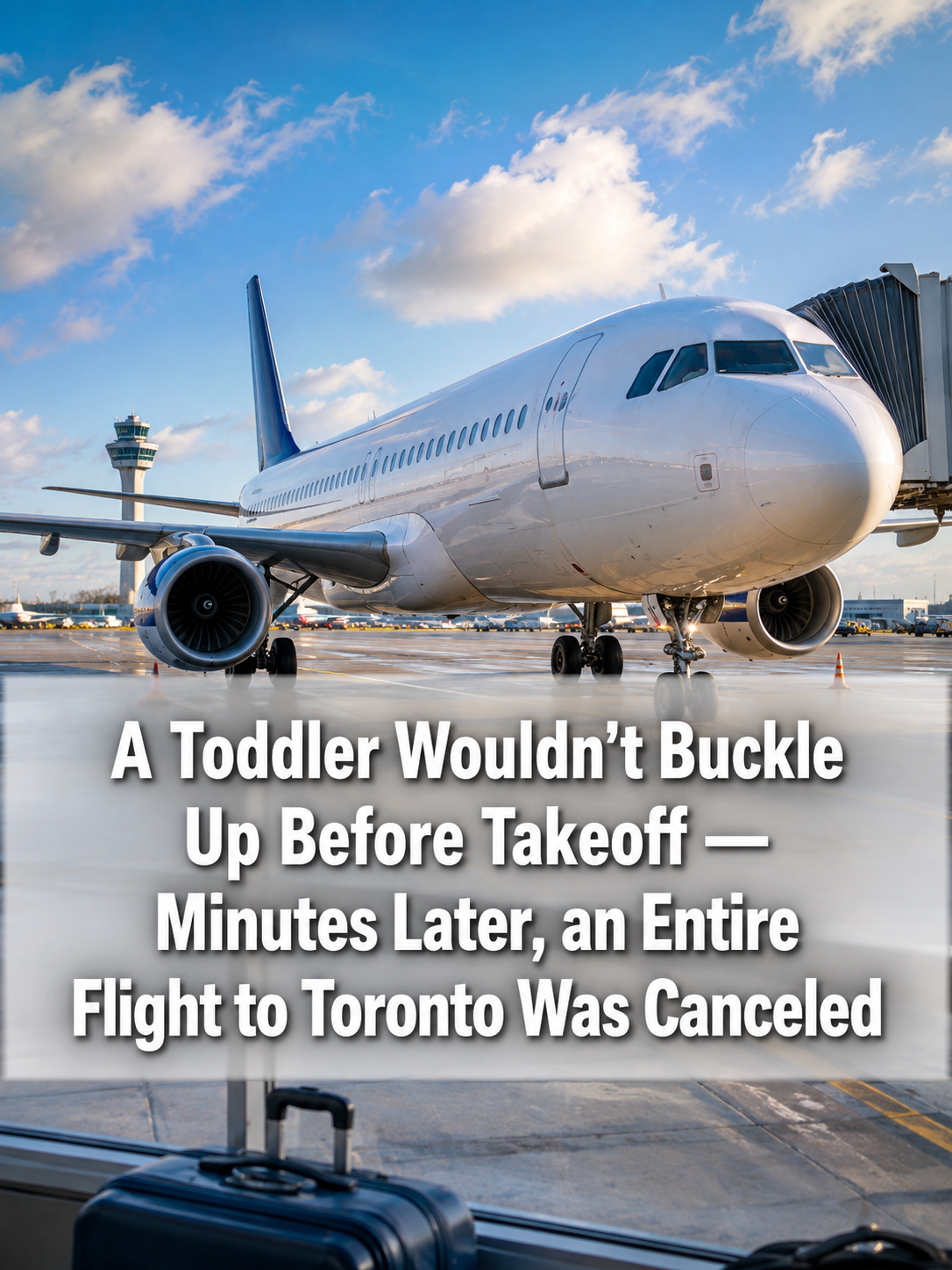
A Porter Airlines flight was already moving away from the terminal and preparing for takeoff when the crew encountered a problem that could not simply be ignored.
A young child was standing in their seat and would not remain secured by a seatbelt.
What began as an attempt to settle one passenger quickly became an issue affecting everyone aboard Flight PD444. Despite efforts from both the accompanying parent and crew members, the child could not be safely restrained.
The plane could not continue toward takeoff.
By the time the aircraft returned to the terminal and the situation was resolved, another deadline had arrived: Victoria International Airport’s runway was about to close for the night.
The result was an unusual chain of events that left an entire flight canceled and passengers waiting until the following evening to travel to Toronto.
The Flight Had Already Left the Gate
The incident unfolded on Thursday, Aug. 6, 2026, aboard Porter Airlines Flight PD444 from Victoria International Airport in British Columbia, Canada, to Toronto.
According to the airline, the aircraft had already departed the terminal and was proceeding toward the runway when crew members noticed the toddler standing in the seat rather than being properly restrained.
The parent traveling with the child attempted to address the problem. Crew members also became involved.
Nothing worked.
The child continued refusing to stay secured.
At that stage, the issue was no longer simply about keeping the cabin orderly. Porter Airlines said the aircraft could not take off while the child remained in what it described as an unsafe condition.
The crew therefore made the decision to abandon the departure attempt and return to the terminal.
For passengers who had expected to be airborne shortly, that was only the beginning of the disruption.
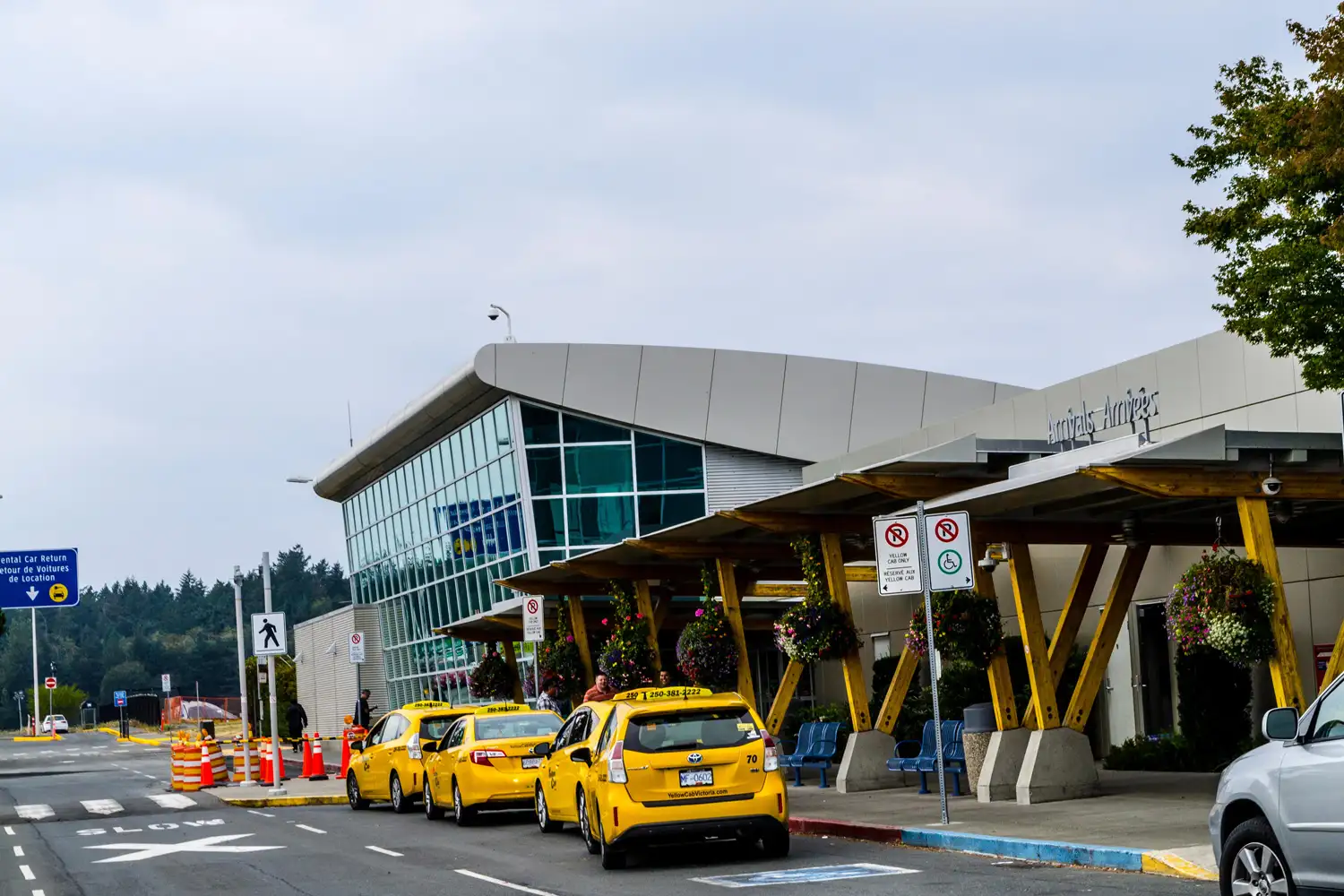
Returning to the Terminal Took Valuable Time
Bringing an aircraft back to the gate involves far more than turning around and opening the doors.
Once Flight PD444 returned, the aircraft had to be connected to the terminal again so passengers could disembark. The passengers involved in the incident needed to leave the aircraft, and their baggage had to be retrieved.
There was administrative work as well.
Porter Airlines said flight plans and other paperwork had to be refiled before the plane could attempt another departure.
Each part of that process consumed time.
Under ordinary circumstances, a delay might simply mean passengers leave an hour or two later than planned.
On this particular night, however, the flight was working against a firm operational deadline.
Victoria International Airport’s runway was scheduled to close at 12:30 a.m.
By the time the passengers involved had been removed, their baggage retrieved and the necessary flight arrangements completed, there was no longer enough time for PD444 to depart before the airport’s scheduled airfield closure.
The flight was canceled.
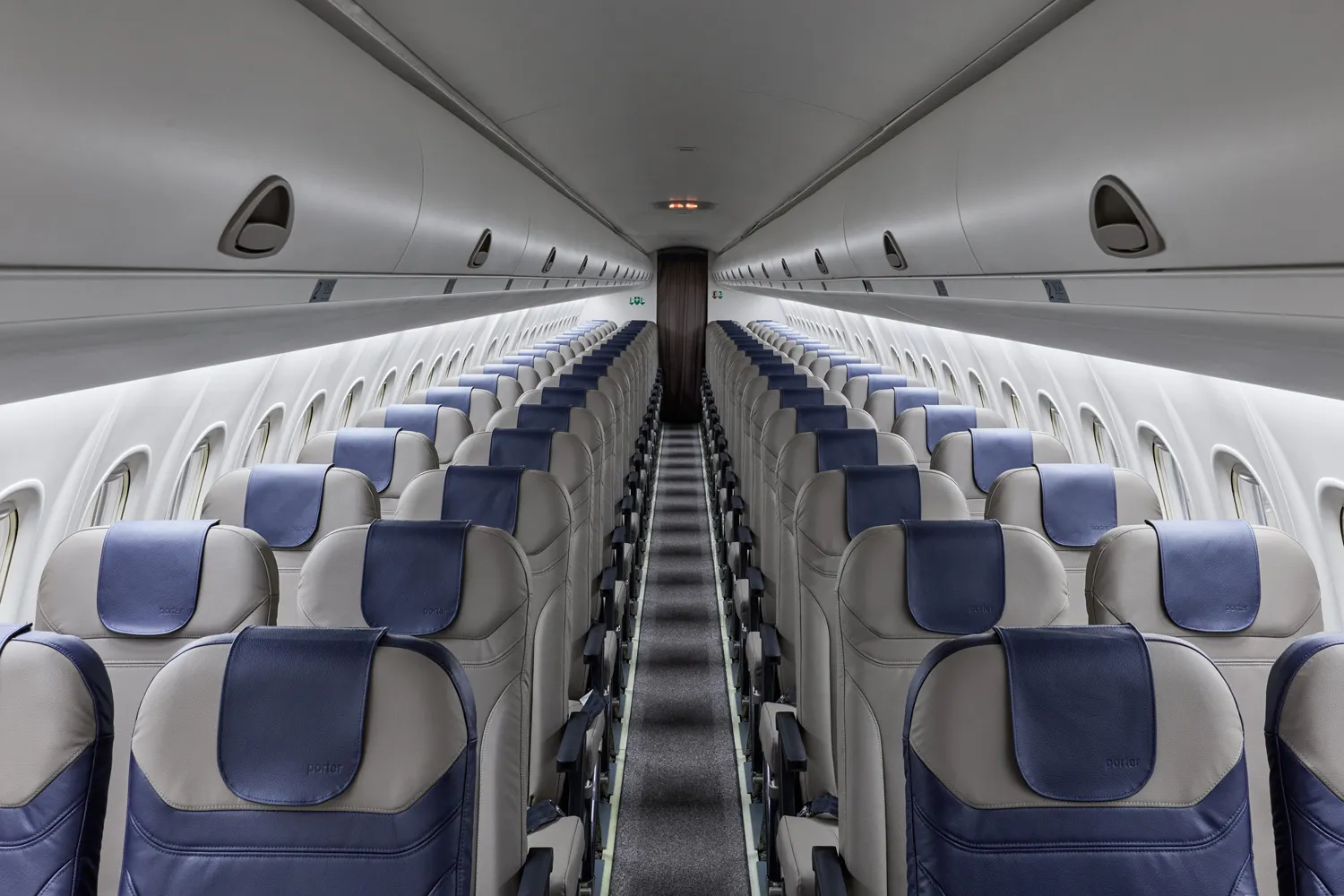
One Seatbelt Problem Affected an Entire Plane
For everyone else aboard, the consequences were immediate.
Passengers who had expected to travel overnight from Victoria to Toronto instead found themselves facing a significantly longer delay.
Porter Airlines later apologized for the impact the incident had on the other travelers.
The airline did not publicly identify the family involved, leaving most details about the parent and child private.
What the airline did make clear was why the crew had not simply continued with the flight.
A passenger standing in a seat without being properly secured meant the aircraft was not in a safe condition for takeoff.
The crew’s options were therefore limited.
If the child could not be secured, the aircraft could not depart.
And once the plane returned to the terminal, the time required to deal with the situation pushed the flight beyond the airport’s operating window.
Airport Officials Confirmed Why the Flight Was Canceled
Victoria International Airport also confirmed the basic sequence of events.
An airport spokesperson said Flight PD444 had been delayed on Aug. 6 and ultimately canceled because it was unable to leave before the airport’s scheduled airfield closure.
Passengers eventually departed on a rescheduled flight the next night, Friday, Aug. 7.
Flight-tracking information cited in the account showed that the replacement flight left Victoria at approximately 10:49 p.m. local time.
It reached Toronto at about 6:16 a.m. the following morning.
That meant a problem lasting only part of the original departure process ultimately postponed the trip by nearly an entire day.
Why Restraints Matter Before Takeoff
The episode also highlighted rules surrounding young passengers and safety restraints aboard aircraft.
Porter Airlines states that an infant younger than 2 who occupies a separate seat must use a child safety seat or another approved restraint device.
The airline also points to Transport Canada guidance recommending approved child restraints throughout all phases of a flight because they offer additional protection, including during unexpected turbulence.
Families who want a child to travel in a car seat aboard a Porter flight must purchase a separate seat for that child, and the airline does not provide car seats or other child restraint systems itself.
For flight crews, ensuring passengers are properly secured before departure is therefore more than a routine instruction delivered during the safety demonstration.
It is a condition that has to be addressed before the aircraft can safely take off.
On Flight PD444, repeated attempts to meet that condition failed.
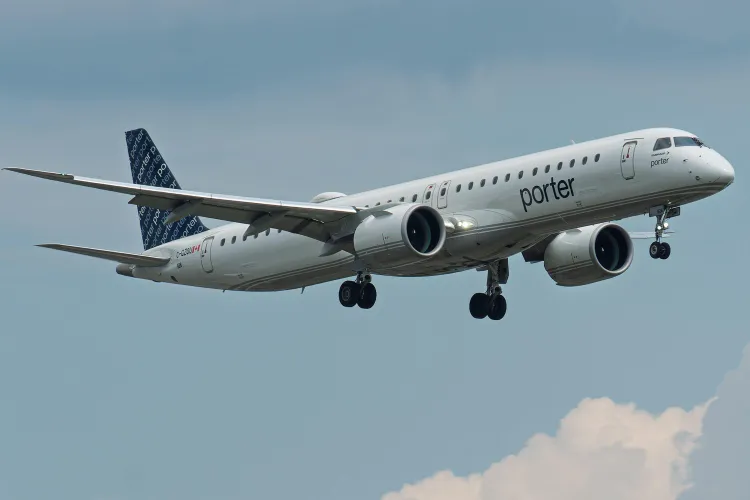
A Small Problem With a Much Bigger Consequence
Air travel depends on a carefully coordinated sequence of events.
Passengers board. Doors close. The plane leaves the gate. Crews complete final checks. Air traffic control manages departure, and the aircraft enters the runway at the appropriate time.
When one part of that chain stops, everything behind it can stop as well.
That is essentially what happened in Victoria.
A toddler standing in a seat created a safety problem.
Attempts to solve that problem created a delay.
Returning to the terminal required additional procedures.
And those procedures consumed enough time for the flight to run into the airport’s overnight runway closure.
For the passengers aboard, the result was far larger than anyone might have expected when crew members first noticed the child out of the seatbelt.
Instead of flying to Toronto that night, they had to wait for a replacement departure the following evening.
Porter Airlines apologized for the disruption, and the rescheduled flight ultimately reached its destination the next morning.
It was an unusual example of how quickly circumstances can change aboard an aircraft before it ever leaves the ground.
Flight PD444 had already left the terminal and appeared to be only moments away from beginning its journey.
Then one passenger could not be safely secured.
The aircraft turned around.
And an entire plane full of travelers suddenly had a very different night ahead of them.