Doctors Said Ryan Might Never Wake Up — His Father Refused to End Life Support, and Weeks Later He Walked Out
- NgoPhong
- August 9, 2026
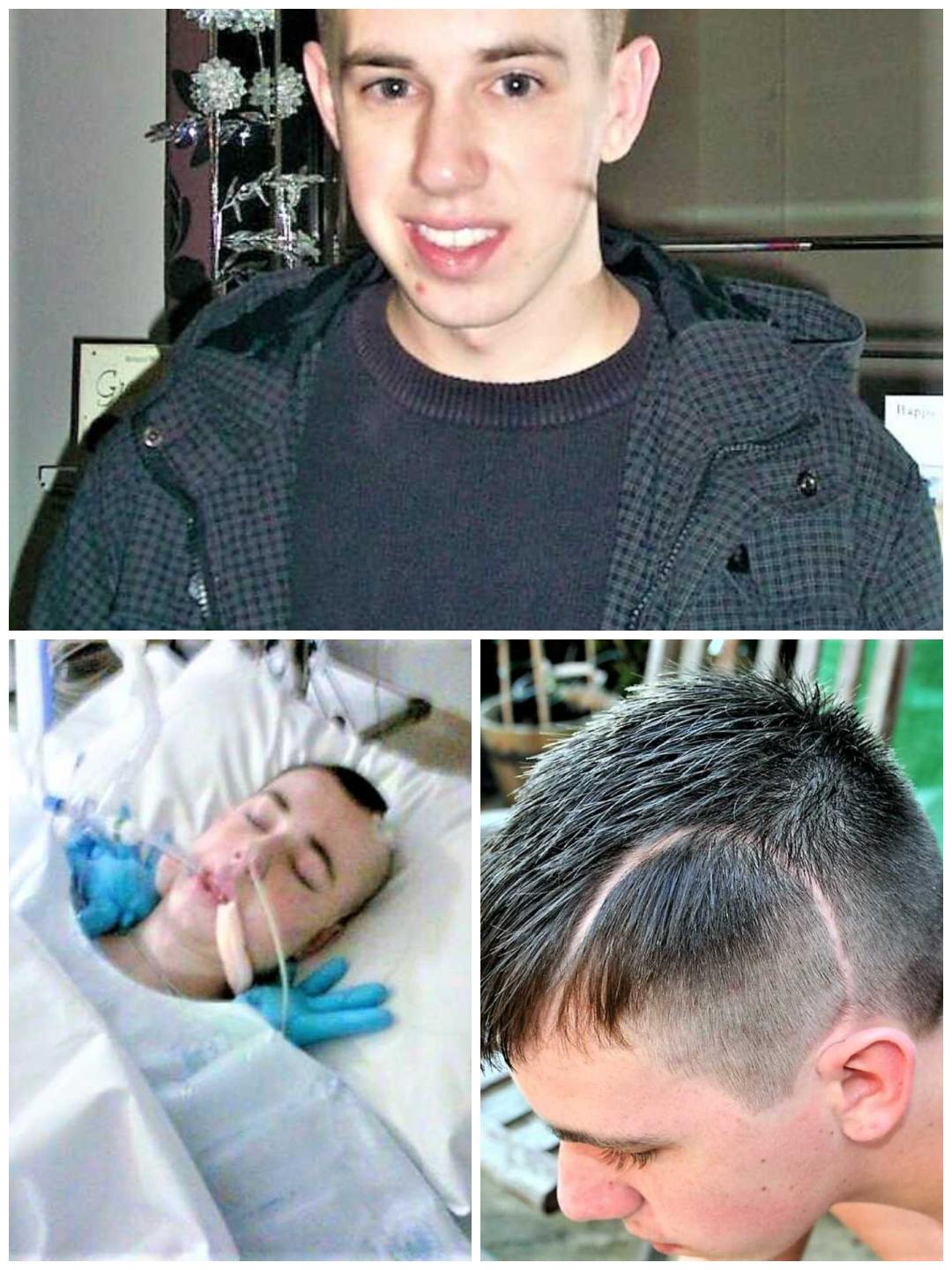
In a hospital room in the United Kingdom, Ryan Nurse’s parents were confronted with a decision no family expects to face.
Their 18-year-old son was lying unconscious after emergency brain surgery. Doctors told them there was no brain activity and recommended switching off the machine keeping him alive.
Ryan’s father refused.
He knew his son, he said, and believed Ryan needed more time.
What followed was a recovery so unexpected that, less than four weeks after being admitted with a fractured skull and bleeding on the brain, Ryan walked out of the hospital. A year later, the surgeon who had operated on him would look at the young man standing in his office and describe him as a walking miracle.
A Night Out Took a Terrifying Turn
Ryan’s story began in 2011, when he was 18 and enjoying a night out with a small group of friends.
They had been dancing at a local nightclub and were preparing to head home when a group of older men followed them into the parking area. According to Ryan’s account, an argument developed, and he and his friends decided it would be safer to leave in another taxi.
But the trouble followed them.
As their taxi traveled along a dark road, Ryan noticed headlights from the same vehicle behind them. Their driver was instructed over a radio to stop.
Once the taxi pulled over, the confrontation became violent.
One of Ryan’s friends was punched through an open window. Ryan tried to intervene, but before he could even remove his seatbelt, someone opened his door and repeatedly struck him on the left side of his head.
Trapped against the seat, Ryan remembers thinking that he might die there.
Eventually, he managed to release the seatbelt and escape through another door.
Despite the attack, Ryan saw no obvious external injuries. His head was throbbing and spinning, but when friends urged him to go to a hospital, he declined. He believed the effects of alcohol and the beating would wear off by morning.
He made it home.
After that, his memory disappears.
His Family Initially Had No Idea How Serious It Was
Ryan’s parents later reconstructed what happened next for him.
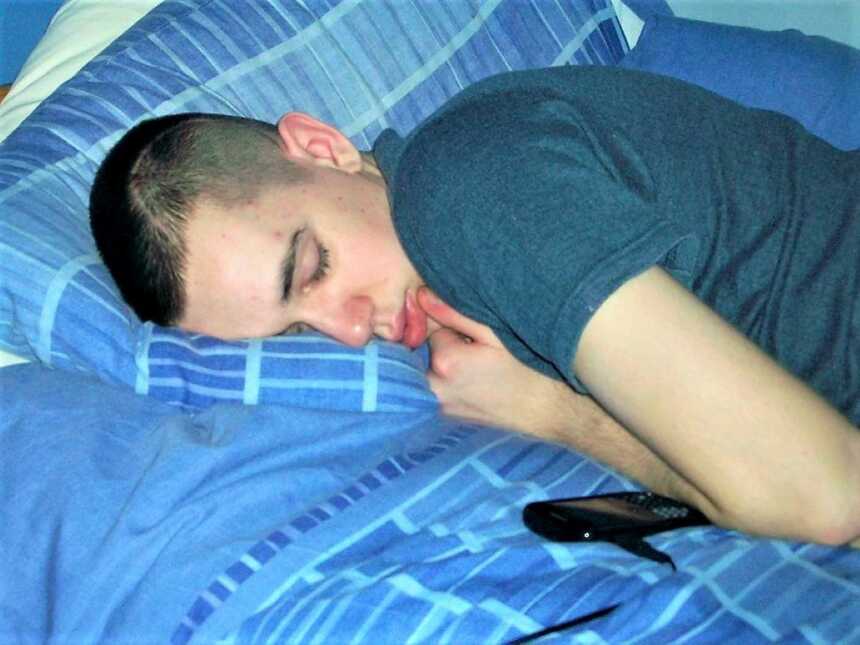
He went upstairs, removed and neatly folded his clothes, then fell asleep. During the night, his younger brother was disturbed by Ryan’s unusually loud snoring.
Later, Ryan began vomiting.
His mother became increasingly worried, particularly because the vomit appeared black. At first, his father thought alcohol might explain what they were seeing.
The full story of the assault had not yet reached them.
That changed later Sunday morning when Ryan’s older brother heard from a friend that Ryan and his companions had been attacked.
His parents tried to wake him.
They could not.
Emergency services were called immediately.
Ryan was rushed from the house by ambulance, while his mother followed. At the hospital, she waited desperately for information until doctors finally told her Ryan appeared to have suffered a severe head injury.
There was something particularly confusing about the diagnosis: there was no obvious wound on his head indicating the devastation occurring inside his skull.
Ryan needed specialist treatment immediately.
Emergency Surgery Revealed the Damage
Ryan was transferred for an emergency brain operation.
Doctors discovered that his skull had been fractured and that bleeding inside his head had created a dangerous blood clot.
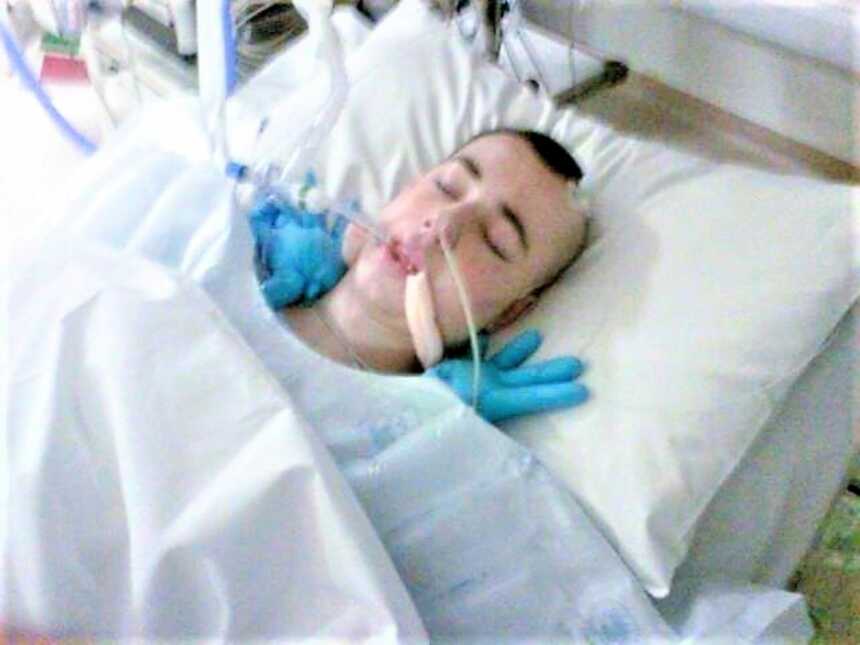
After surgery, he remained unconscious in intensive care.
His parents did not get to see him until around 6 p.m. that day. When they finally reached his bedside, their son was motionless and in a coma.
Then the surgeon delivered devastating news.
Because of the severity of Ryan’s injuries, the specialist believed it was highly unlikely that he would survive through the night.
His family went home expecting the worst.
But morning came.
Ryan was still alive.
Then another day passed.
He continued holding on.

Three Days Later, His Parents Faced an Unthinkable Decision
On the third day, doctors brought Ryan’s parents into a separate room.
They explained that because his injuries were so severe and there appeared to be no brain activity, they recommended discontinuing life support.
Ryan’s father immediately refused.
He insisted that Ryan had always done things in his own time and argued that his son deserved more time now as well.
The machines remained on.
For the next several days, there was little encouraging response.
Eventually, doctors reduced Ryan’s sedation to see whether he could emerge from the coma.
The first attempt was frightening.
Ryan could not breathe independently and had to be sedated again. His parents were again confronted with an extremely poor prognosis. They were told that even if Ryan awakened, he could be unable to walk or speak and might remain profoundly disabled.
Still, they held onto hope.
When doctors reduced the sedation again the following day, something changed.
Ryan began breathing on his own.
It was a small sign compared with everything he would still have to overcome.
But it was a beginning.
Two Weeks In, Ryan Finally Woke Up
During the following week, Ryan showed only limited movement, but gradually his condition improved.
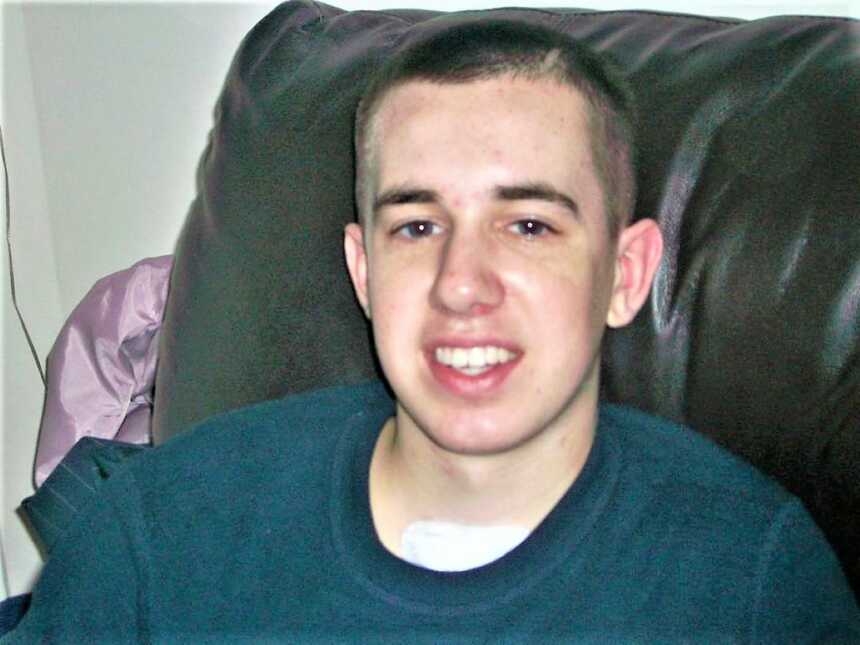
About two weeks after the assault, he was awake.
He still could not speak because he had a tracheostomy, and his family did not initially know how much he understood or remembered.
Then his progress accelerated.
During the third week, Ryan began relearning abilities that had once been automatic.
He learned to walk again.
He learned to talk again.
And less than four weeks after the injury that doctors initially believed he might not survive, Ryan left the hospital on his own feet.
The contrast was extraordinary.
Weeks earlier, his parents had been sitting in a room discussing whether to withdraw life support.
Now their son was going home.
A Surgeon Could Barely Believe Who Walked Into His Office
One year later, Ryan returned to visit the surgeon responsible for his emergency operation.
This time, he did not arrive unconscious on a stretcher.
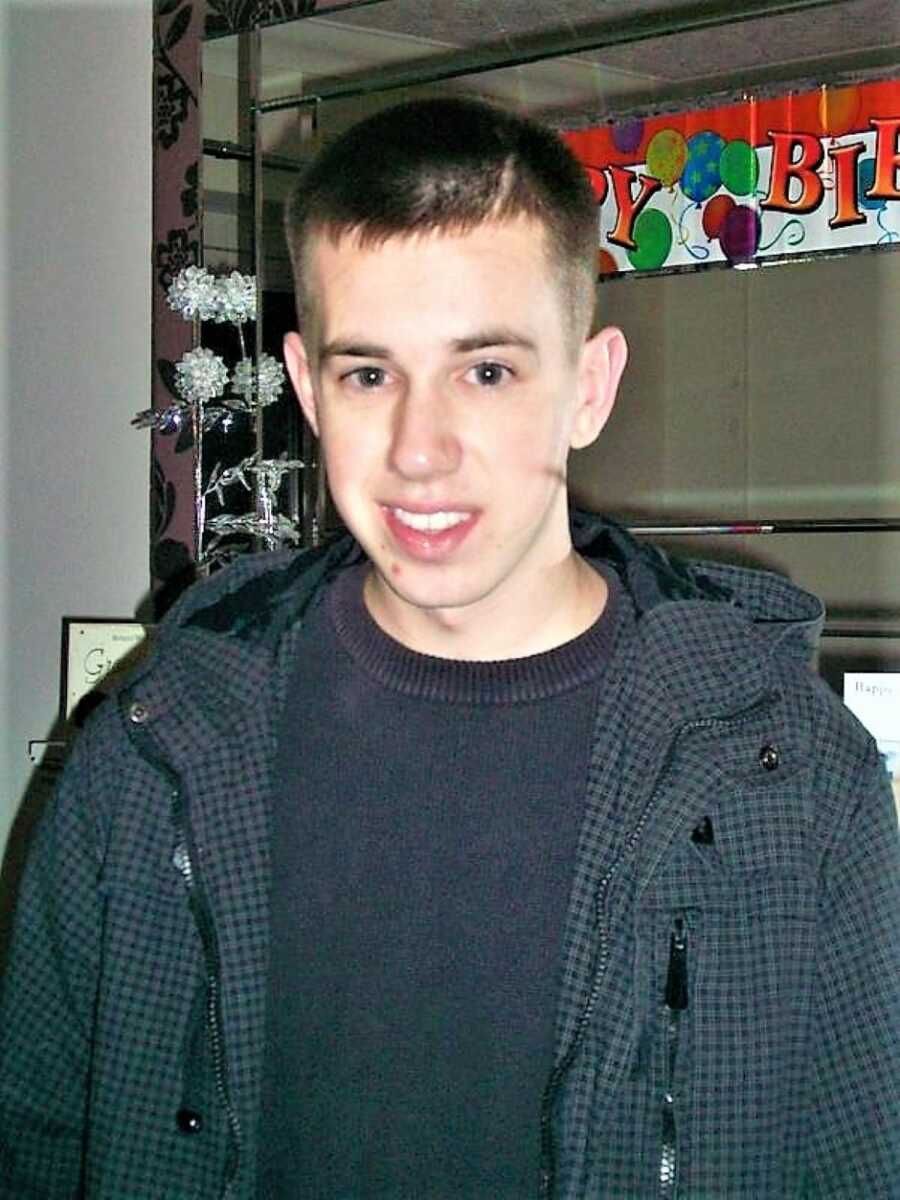
He walked into the doctor’s office.
Ryan recalled the surgeon looking at him in amazement and describing his recovery as something extraordinarily rare. Ryan thanked the physician for helping save him and expressed gratitude toward the National Health Service and the people who had cared for him.
He also remained deeply aware of another person he credited with saving him: his father.
Had his parents accepted the recommendation to stop life support when it was first presented, Ryan believes his story would have ended in that intensive care unit.
Instead, his father asked for time.
Ryan ultimately used it.

A Second Chance Changed How Ryan Saw Life
Surviving the assault did more than leave Ryan with scars and an extraordinary recovery story.
It changed his understanding of how he wanted to live.
He began thinking about how easily people postpone ambitions because they assume there will always be another opportunity. His near-death experience convinced him that tomorrow should never be treated as guaranteed.
His message afterward centered on pursuing goals before regret becomes permanent.
Ryan encouraged others not to wait for tragedy, illness or the loss of someone they love before beginning to live more intentionally.
His own future nearly disappeared when he was only 18.
One night he was dancing with friends.
Hours later, he was unconscious with a fractured skull and bleeding inside his brain.
Days later, his family was being asked to consider ending life support.
Yet his father refused to believe that Ryan’s story was finished.
Less than a month after the attack, Ryan walked out of the hospital.
Years later, that decision remains at the center of how he understands his second chance: when almost everything looked hopeless, one person closest to him insisted on giving him something incredibly simple.
More time.