At 8, She Was Pulled Out of Class and Told Both Parents Were Dead — 21 Years Later, She Refused to Let That Day Define Her
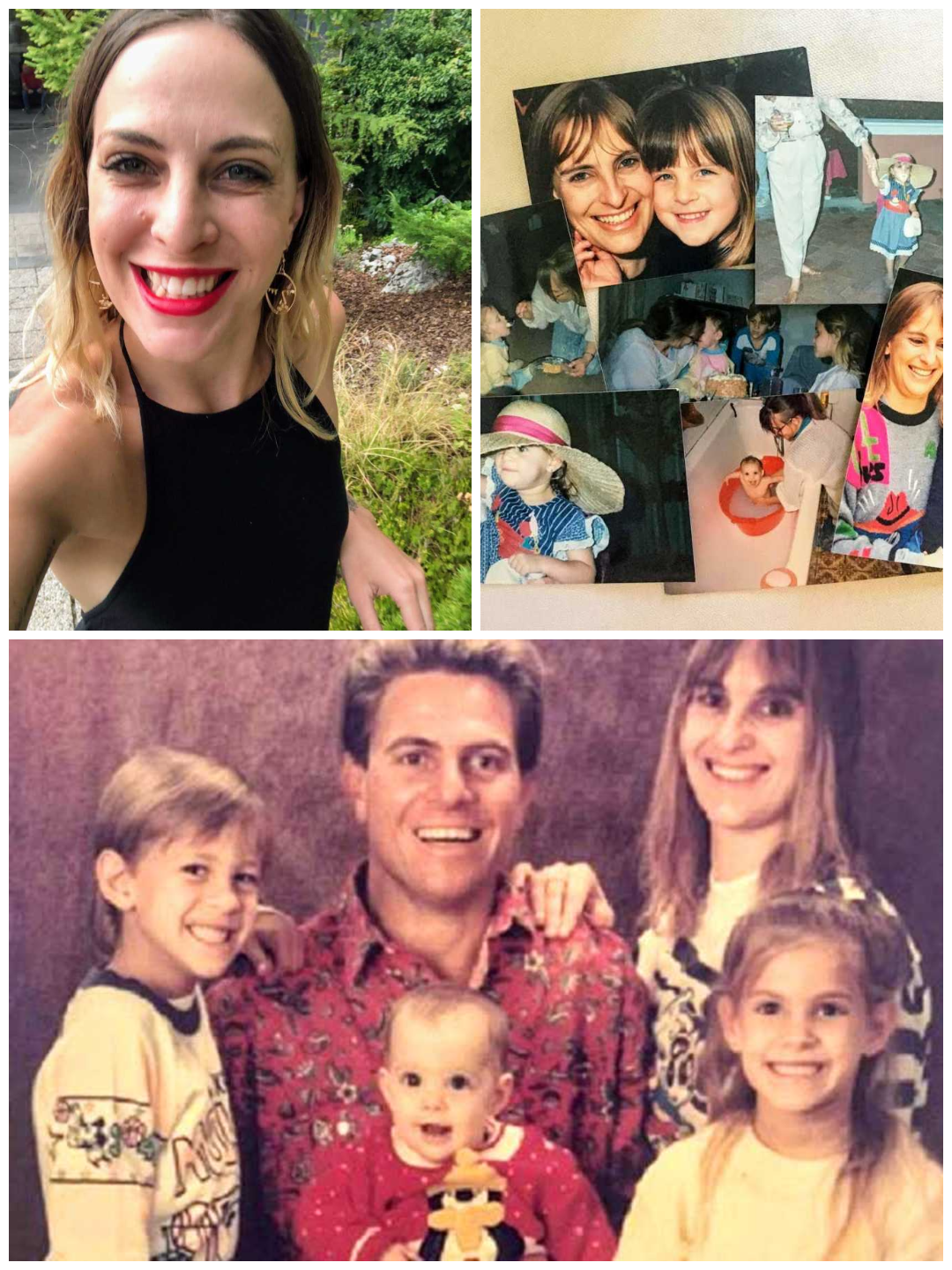
When Candice Goldschmidt was pulled out of school on July 17, 1998, she had no idea that the adults waiting for her were about to divide her life into a permanent before and after.
She was only 8 years old.
Her mother was dead. Her father was dead. Overnight, Candice and her siblings had become orphans.
The circumstances were even harder for a child to understand: her father had shot her mother five times before turning the gun on himself.
For the next 21 years, Candice would wrestle with grief, anger, identity and the emotional wounds of growing up inside an abusive home. Eventually, however, she reached an understanding that changed the way she viewed everything that had happened.
Her parents’ deaths were part of her story.
They did not have to become her entire story.
The Warning Signs Were Already There
Just weeks before the tragedy, Candice’s family had gathered for her mother’s birthday.
June 30 was normally celebrated at Spur, a South African family restaurant the children enjoyed.
That year, however, Candice noticed signs that something was wrong.
Her mother had a section of hair missing and a dark bruise around her arm.
Violence inside the home was not new.
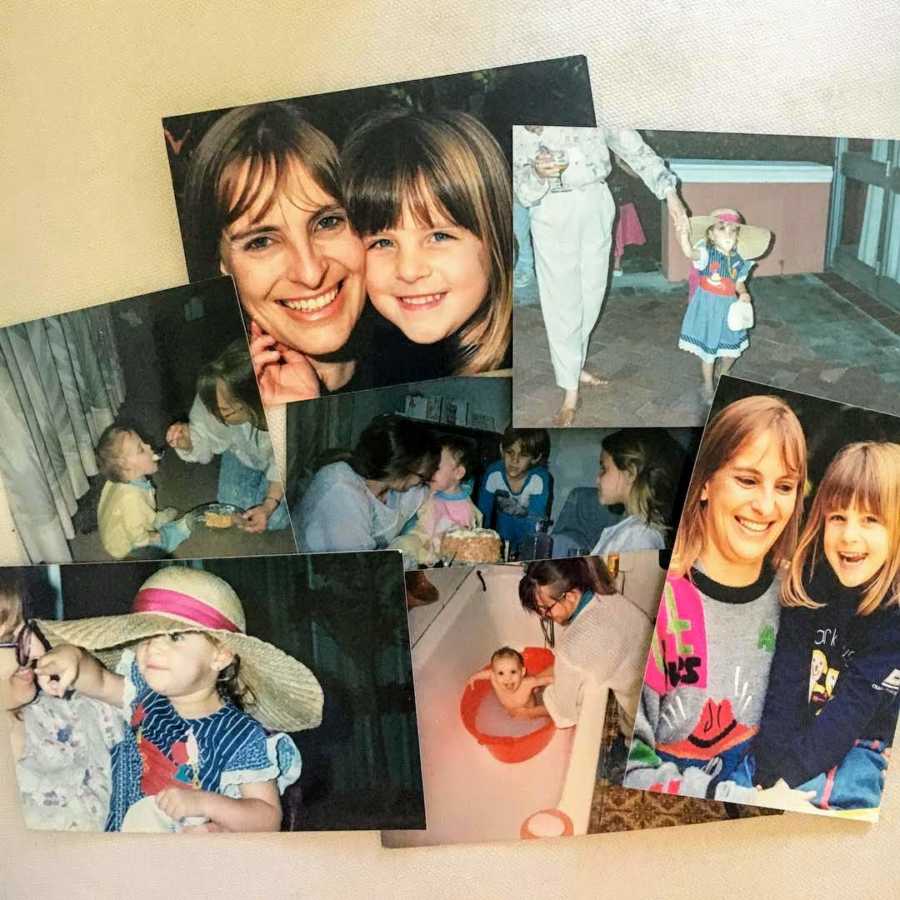
Candice remembered her mother as affectionate and gentle, a woman who deeply loved being a parent. Her father could also be fun and energetic, but his temper made family life unpredictable.
Small incidents could trigger explosive anger.
Candice said her father physically abused her mother and her older siblings, Dax and Tamysn. Although he never hit Candice herself, she later came to understand that witnessing violence can leave its own lasting trauma.
Eventually, her mother decided they had to leave.
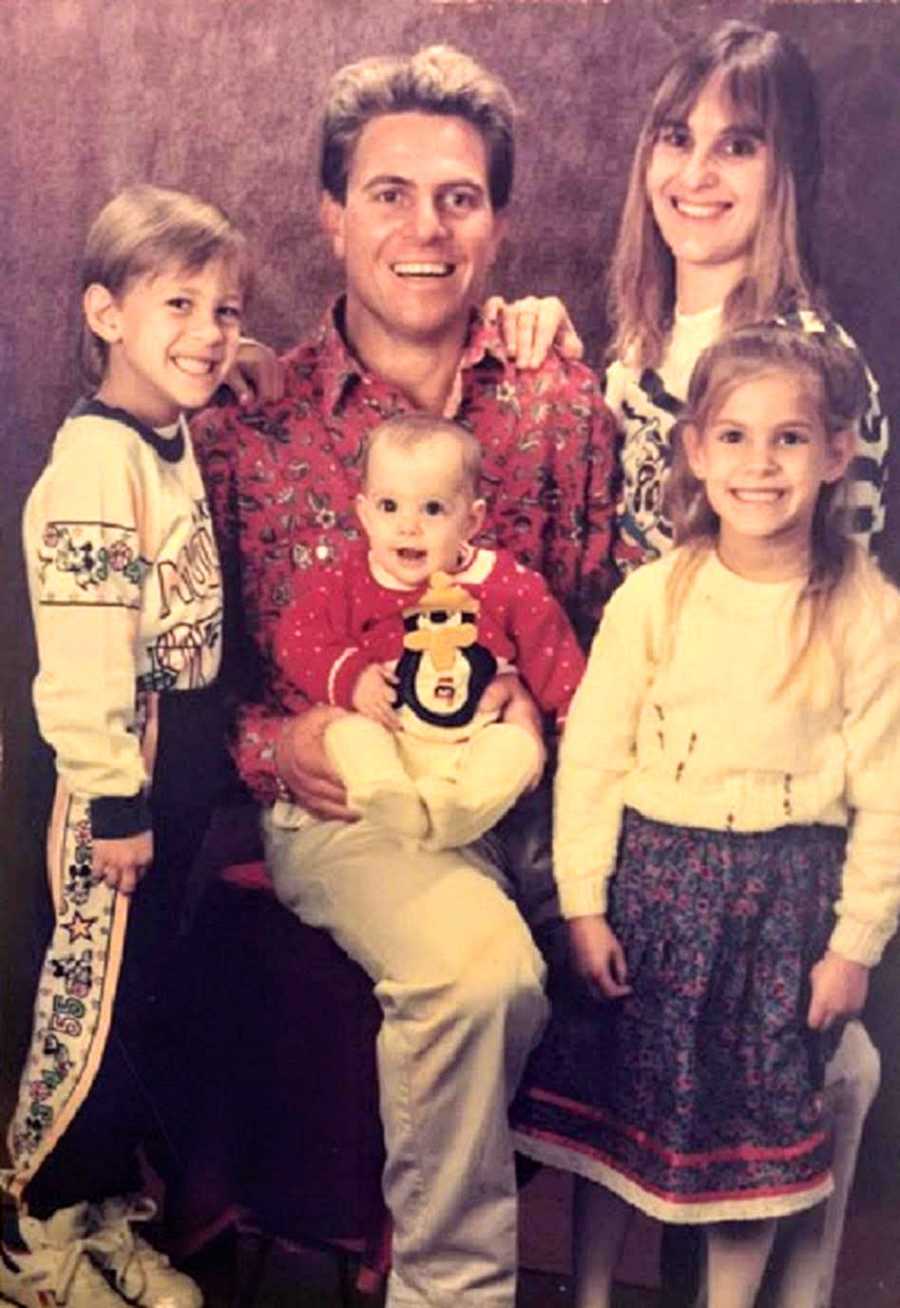
Her Mother Secretly Packed the Children and Moved Out
A few days before July 16, Candice’s mother waited until her husband went to work.
Then she packed the children’s possessions into her car and moved them into an apartment her parents had helped arrange.
For Candice’s mother, the decision was about survival.
Her husband had threatened to kill her if she ever left him.
Because she took that threat seriously, she also removed his gun and ammunition from the house.
The new apartment was supposed to represent a safe beginning.
But Candice’s father reported to police that his wife had taken his gun despite not having a license for it.
Already frightened and under enormous pressure while relocating three children, Candice’s mother complied when authorities contacted her about returning the weapon.
She kept the bullets but brought the gun back to the police station.
Candice said her mother pleaded with police not to return the weapon to her husband because of his previous threats.
What happened next would become the defining tragedy of the family’s life.
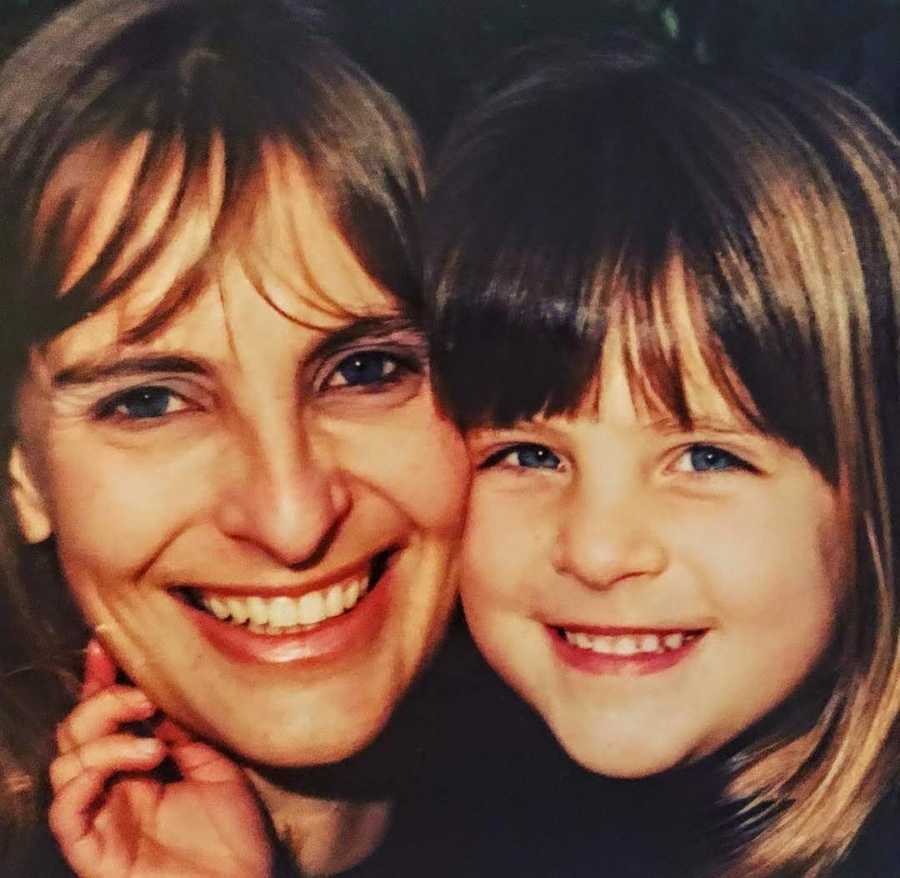
She Was Supposed to Pick Candice Up at 5 P.M.
On July 16, Candice’s siblings remained at the family’s new apartment while Candice stayed at a friend’s house.
The plan seemed straightforward.
Her mother would return the gun, stop at the family’s former home to collect a pressure cooker she had left behind, pick Candice up around 5 p.m. and then return to the apartment.
Five o’clock came.
Her mother never arrived.
As the evening passed, relatives grew increasingly frightened.
Candice’s grandparents, siblings, aunts, uncle and her friend’s parents tried to determine where she was. They contacted police and asked for help because they already knew how dangerous Candice’s father could become.
The following morning, police forced their way into the former family home.
Inside, they found both parents dead.
According to Candice’s account, her father had been watching her mother’s movements and followed her back to the house.
Although Candice said the family never knew every detail of the encounter, they learned that her father had shot her mother five times before killing himself.
At 8 Years Old, Her Childhood Changed Instantly
Candice had gone to school that Friday morning unaware of what had happened.
Then family members arrived and removed her from class.
She was told she was now an orphan.
At 8, she had lost the mother she adored.
She had also lost her father, the person responsible for killing her.
It was a form of grief filled with contradictions that would take decades to process.
There was no returning to ordinary family life.
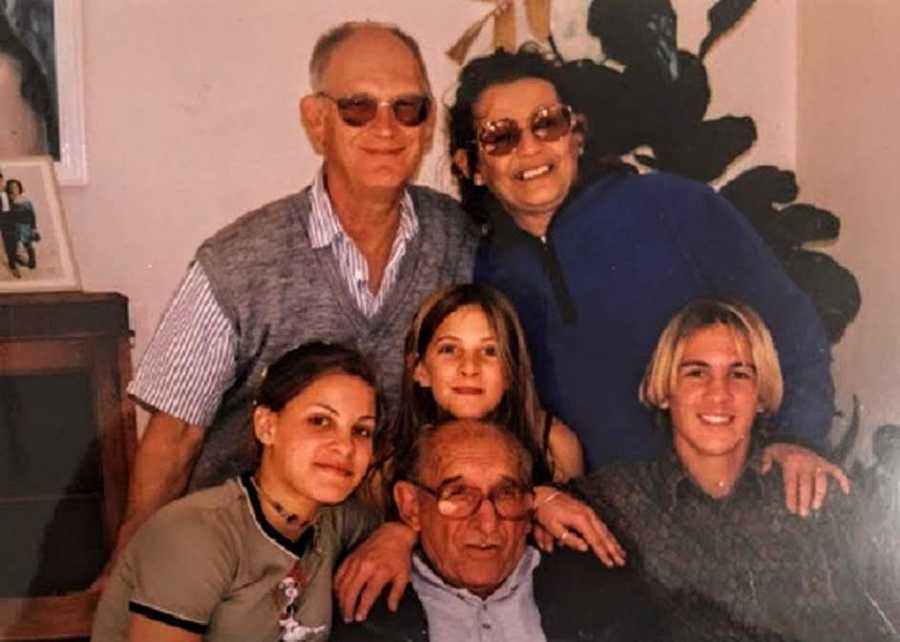
Candice and her siblings needed somewhere to live, and their grandparents immediately stepped forward.
They became the children’s legal guardians.
The decision dramatically changed their own lives.
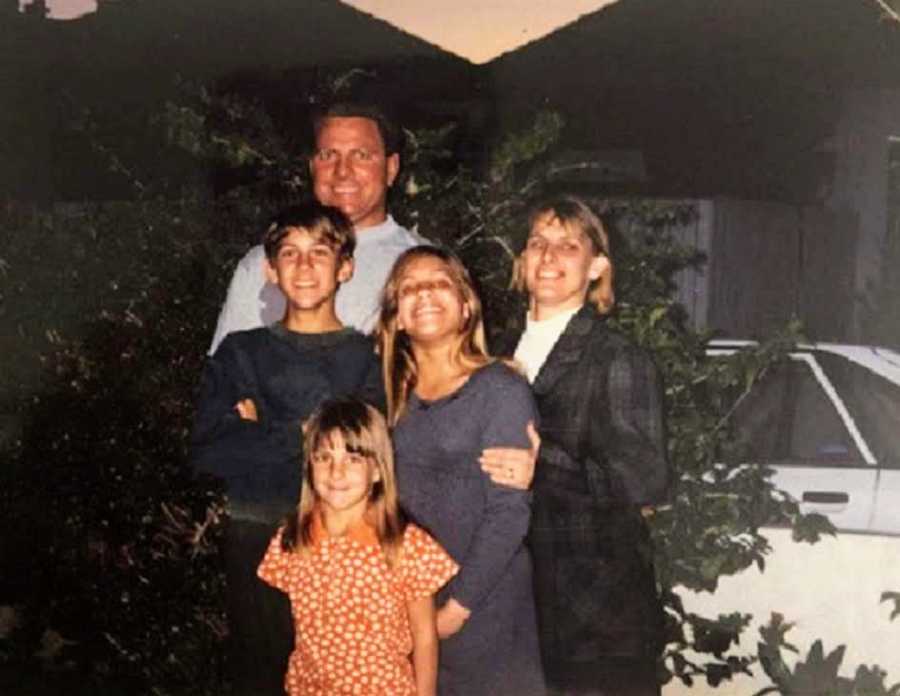
Candice’s grandmother had recently retired, while her grandfather operated a small jewelry manufacturing business from home. Suddenly, they were responsible for raising three grieving children: a 14-year-old boy, a 13-year-old girl and 8-year-old Candice.
They had also just lost their oldest daughter.
Yet they were determined not to separate the siblings.
She Spent Years Trying to Fill the Loss
As Candice grew older, the trauma did not disappear simply because childhood ended.
She described her parents’ deaths as leaving an enormous emotional emptiness that she repeatedly tried to fill.
At different times, she looked for relief through success, money, acceptance and the desire to be liked.
But none of those things could undo what had happened.
She sometimes found herself living defensively, feeling like a victim and believing the world owed her something because of everything she had lost.
Even the question of how she should feel toward her father remained complicated.
Did she hate him?
Candice eventually decided she did not.
That did not mean excusing what he had done.
She knew he had murdered her mother, devastated their family and exposed his children to years of fear.
But Candice also found herself wondering about the darkness within him and the experiences she would never fully understand.
After his death, the family learned that her father had been adopted—something he apparently never knew during his lifetime. Candice sometimes wondered whether unanswered questions about his identity had contributed to the anger he carried.
She could never know for certain.
Healing Required a Different Way of Seeing Her Past
For years, Candice struggled with the idea that tragedy was the foundation on which everything else had been built.
She eventually realized that denying that history would not free her from it.
Instead, she needed to integrate it.
Her parents’ deaths influenced who she became, but they did not have to control every decision she made afterward.
That distinction helped Candice begin shifting from survival toward healing.
She stopped wanting to see herself only as the little girl whose parents died.
There was still grief.
There were still emotional wounds.
But there was also a future.
Candice began working regularly with a life coach and concentrated on understanding herself more deeply.
Then she created a business that reflected the type of environment she had spent years searching for.
She Created the Kind of Safe Place She Once Needed
Candice eventually opened Loveit Sanctuary, a therapy spa.
The business became more than professional success.
She described it as part of her healing.
After growing up in an unpredictable household and then losing both parents in such violent circumstances, Candice wanted to build a place where people could feel safe, cared for and accepted.
It also gave her a sense of purpose.
For years, she had wondered where she belonged.
At the sanctuary, she felt she had found an answer.
She could create safety for others while continuing the work of creating it within herself.

Twenty-One Years Later, the Story No Longer Owned Her
Candice never suggested that healing erased what happened on July 16, 1998.
Nothing could bring back the mother she idolized.
Nothing could restore the childhood that ended when she was pulled from class the following morning.
But 21 years later, she understood survival differently.
Survival could become a weapon that damaged everything around you.
Or it could become energy used to build something better.
Candice had experienced both ways of living.
Eventually, she chose the second.
The 8-year-old girl who suddenly became an orphan would always remain part of her.
So would the mother who loved her, the grandparents who refused to separate the siblings, and the father whose violence changed their lives forever.
But Candice no longer wanted the worst day of her childhood to have the final word.
Her story began with loss long before she was old enough to understand it.
What came afterward became hers to write.