His Wife Texted Him About Coffee at 9:14 A.M. — By Nightfall, He Was a Widower Raising Two Young Boys Alone
- NgoPhong
- August 10, 2026
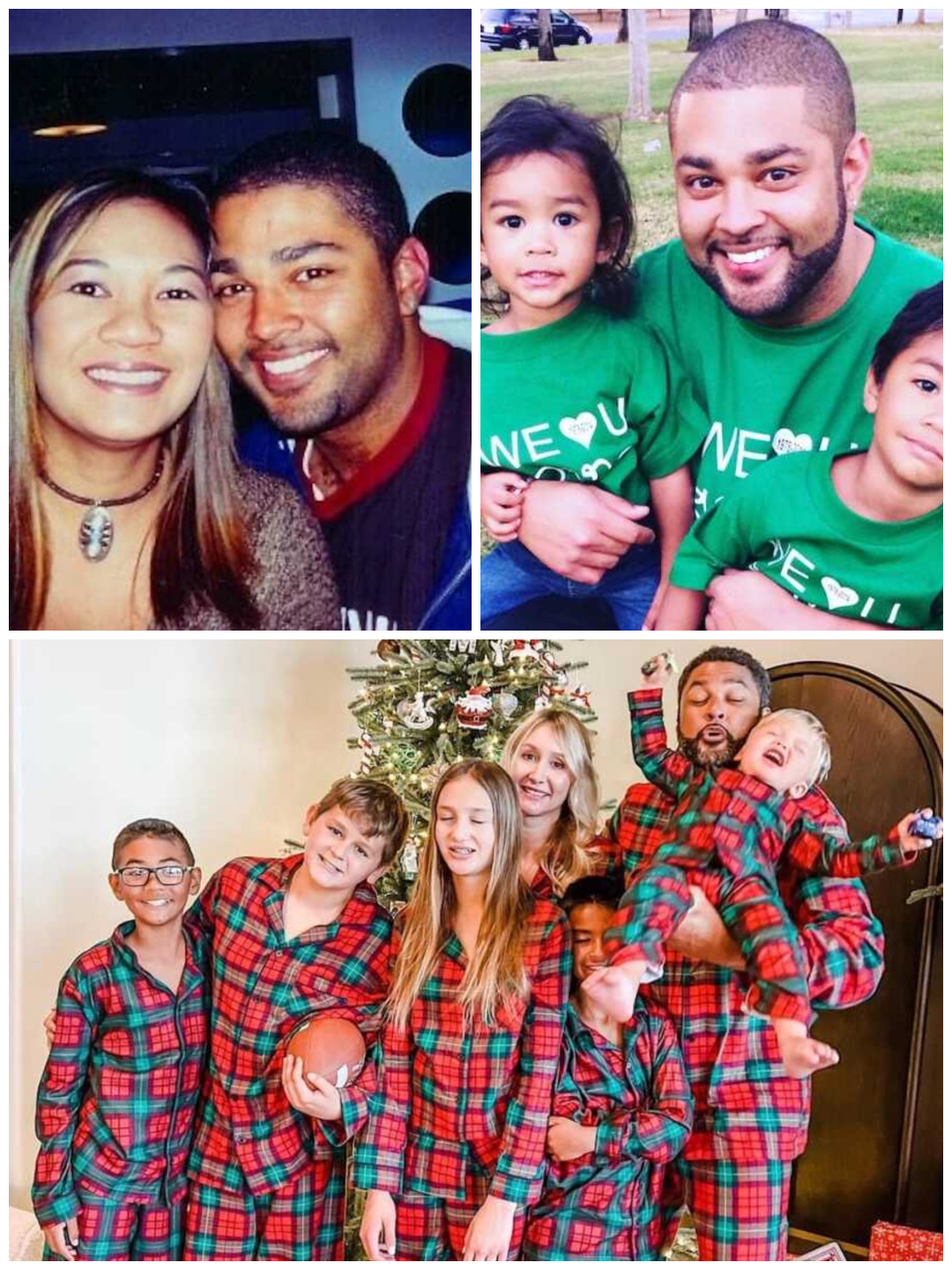
At 9:14 one morning in March 2014, Serign Marong received an ordinary text from his wife, Visa.
She wanted to know whether he wanted her to bring him a special coffee at work.
He declined because he already had one.
Thirteen minutes later, she called him. He was seeing a patient and could not answer, so Visa left a long voicemail.
By that evening, she was dead.
For Serign, the loss shattered the life he thought he understood. He had gone to work as a husband and father of two. Hours later, he was lying in bed with his young sons, trying to comprehend how he was supposed to raise them without their mother.
Eight years later, he would say grief had never truly ended.
But it had changed.
And so had he.
They First Met at Washington State University
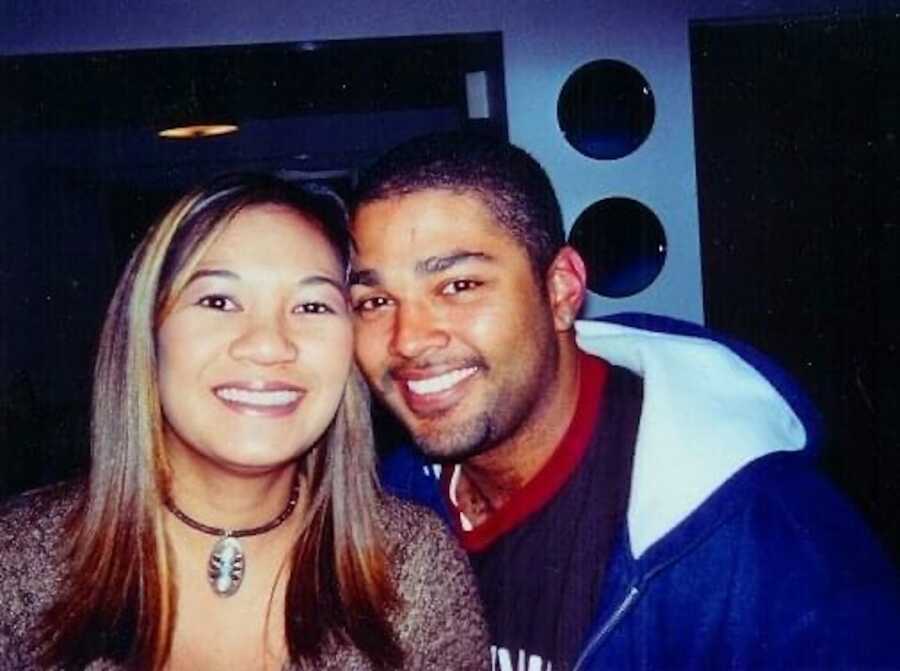
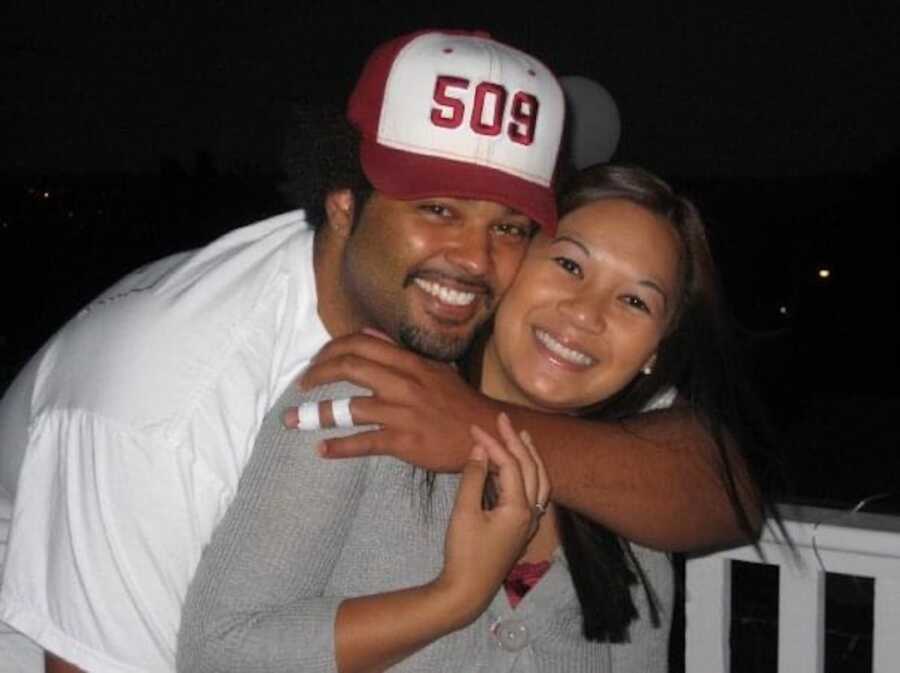
Serign and Visa met in the summer of 2001 while working at the student recreation center at Washington State University.
He was downstairs in the weight room when he noticed her walking down the stairs.
They both had unusual names, which gave them an easy reason to start talking.
Nothing romantic happened immediately.
Both were involved with other people, and their first interaction remained friendly.
About two years later, however, their relationship changed.
They shared many of the same friends and frequently ended up at the same parties and gatherings. The chemistry between them became obvious enough that friends noticed it before they were willing to admit it themselves.
At one party, someone asked how long they had been dating.
Both simultaneously insisted they were not.
Everyone around them laughed.
They clearly already behaved like a couple.

Marriage Blended Two Families and Cultures
Their early years together were filled with friends, school, football and Visa’s large Lao family.
She was the youngest of eight children and had around 20 nieces and nephews. Serign quickly became part of that extended family, with many of the children calling him Uncle.
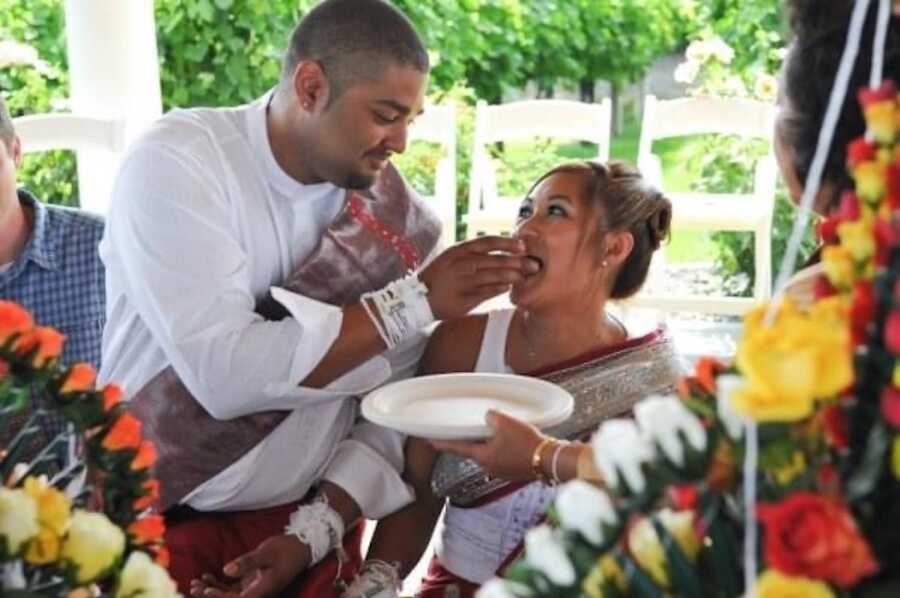
The couple married in July 2008.
Their wedding combined two traditions.
First came a traditional Lao ceremony, followed by a conventional American wedding later the same day.
The celebration reflected the way their lives had merged.
Two years later, they welcomed their first son.
Another son followed two years after that.
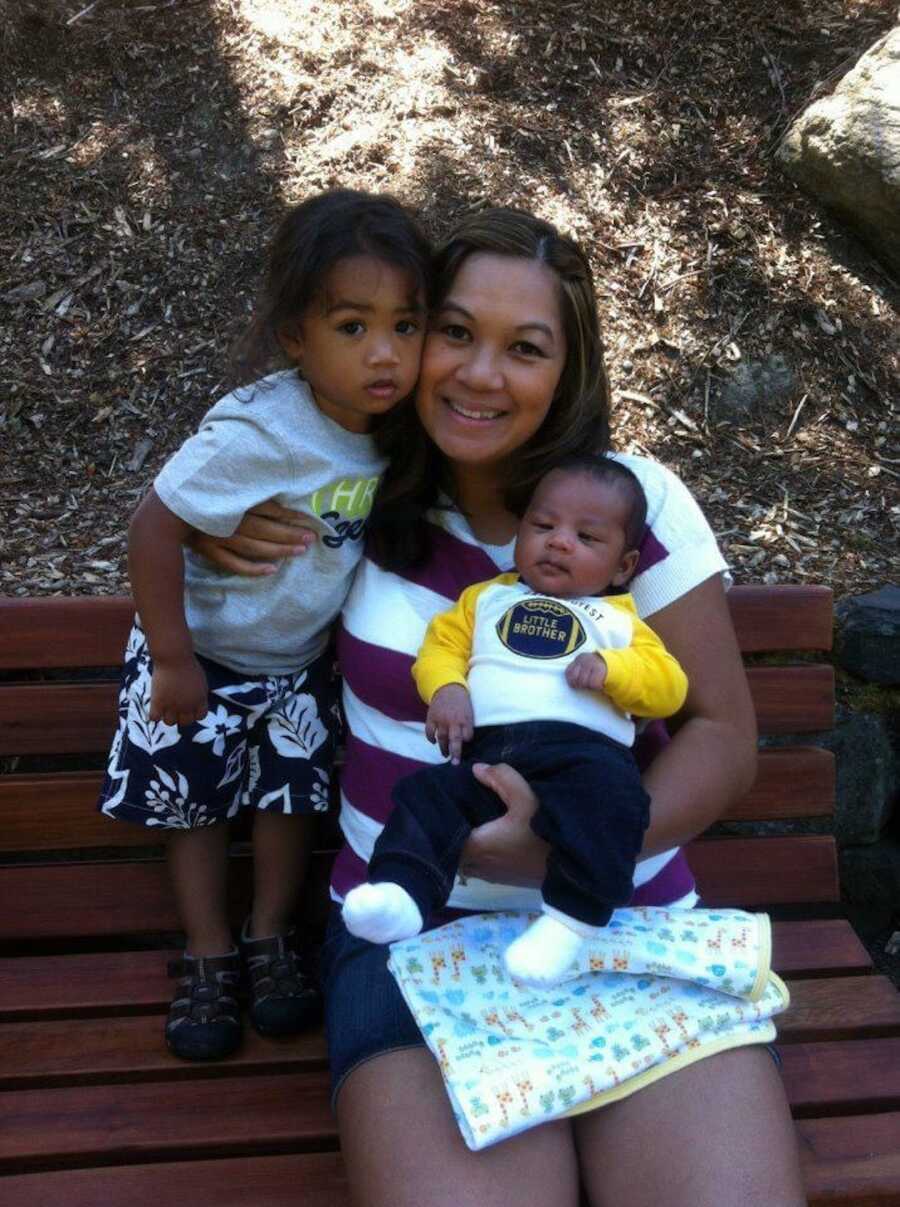
By early 2014, Serign had completed his medical residency. Their boys were nearly 2 and 4, and he and Visa had been married for almost six years.
Life felt settled.
Then came March 4.

Three Missed Calls Triggered an Awful Feeling
After hearing Visa’s voicemail at 9:47 a.m., Serign understood that she was feeling extremely ill.
She was also worried she might need help caring for their sons that afternoon.
Serign assumed he might need to clear his schedule and return home early.
He called her.
No answer.
His first thought was mundane: perhaps she was changing a diaper.
He called again.
Still nothing.
Maybe one of the children had her phone.
When the third call went unanswered, the feeling changed.
Serign suddenly sensed something was wrong.
He contacted a neighbor and asked him to check on Visa.
Minutes later, the neighbor called back.
Emergency services needed to be contacted, he said, and Serign needed to come home.
He Said Goodbye Without Knowing It Was Goodbye
When Serign reached the house, emergency vehicles were already outside.
Inside, medics surrounded Visa.
She was awake, but she looked extremely pale and seemed confused.
Everything moved quickly.
Responders placed her on a stretcher and began taking her outside.
Before she left, Serign told her that he loved her and would meet her at the hospital.
He never knew whether she heard him.
It was the last time he saw her conscious.
Visa deteriorated on the way to the hospital. Paramedics performed CPR and intubated her.
At the hospital—ironically, the same place where Serign had trained medically—teams repeatedly attempted to stabilize her.
She went into cardiac arrest multiple times throughout the day.
Eventually, that evening, doctors stopped resuscitation efforts.
Visa was gone.
That Night, the House Felt Empty
Serign had known the news might be coming.
Knowing did not make hearing it easier.
When the intensive care physician came out to speak with him, Serign grabbed his sons and broke down in tears.
Friends had come to support him, but the loss became most overwhelming later, after he returned home.
That night, he lay in bed beside the two boys.
Visa was not there.
The silence felt enormous.
His thoughts reduced to one terrifying question: how was he going to do this?
He was now responsible for helping two very young children grow up while trying to understand his own sudden grief.
There was no instruction manual.
Initially, Serign’s main instinct was simply to escape the pain.
Avoiding Grief Only Delayed It
In the early period after Visa’s death, Serign focused almost entirely on what had been taken from him.
His wife was gone.
His sons had lost their mother.
The future they had planned together no longer existed.
He later admitted that he initially used unhealthy methods to avoid confronting those feelings.
Intellectually, he knew other people experienced devastating losses too.
Emotionally, however, his grief felt isolating.
The first real change began when he became willing to be vulnerable and admit what he was experiencing.
He started understanding that suffering was not something he had to endure in complete isolation.
That recognition helped begin the healing process.
Family, friends and therapy all became part of it.
He Rejected One Common Phrase About Tragedy
People often tell grieving families that everything happens for a reason.
Serign came to despise that idea.
He did not find comfort in suggesting that Visa’s sudden death had somehow been necessary or predetermined.
Instead, he found meaning in a different possibility.
He could not change what happened.
But he could decide what came from it.
The loss could destroy him, or he could allow it to change the way he lived.
Gradually, Serign chose the second path.
Visa’s death made him more aware of how he treated his children, family, friends, coworkers and even his patients.
If her life had ended young, he wanted the lessons created by loving and losing her to continue affecting other people positively.
That became his version of meaning.
Then New Love Arrived Before He Was Fully Ready
Serign eventually met Michelle.
She was grieving too, although her loss was different.
Her marriage had ended in divorce, leaving her mourning the future she had expected to have.
Both were hurting.
Both were also trying, at least partly, to outrun that hurt.
Their relationship became a place of comfort.
For Serign, being with someone who had not known his previous life also made it easier to temporarily avoid confronting parts of his grief.
But avoidance eventually created problems.
As the relationship grew more serious, Serign realized he was emotionally holding back.
Loving someone fully meant accepting the possibility of losing someone again.
After Visa’s sudden death, that risk terrified him.
He eventually understood that he needed to confront grief rather than build a new relationship around escaping it.
Only after doing that deeper work did he feel capable of truly opening his heart again.

Their Family Eventually Became Seven
Serign and Michelle married and created a blended family.
She brought two children.
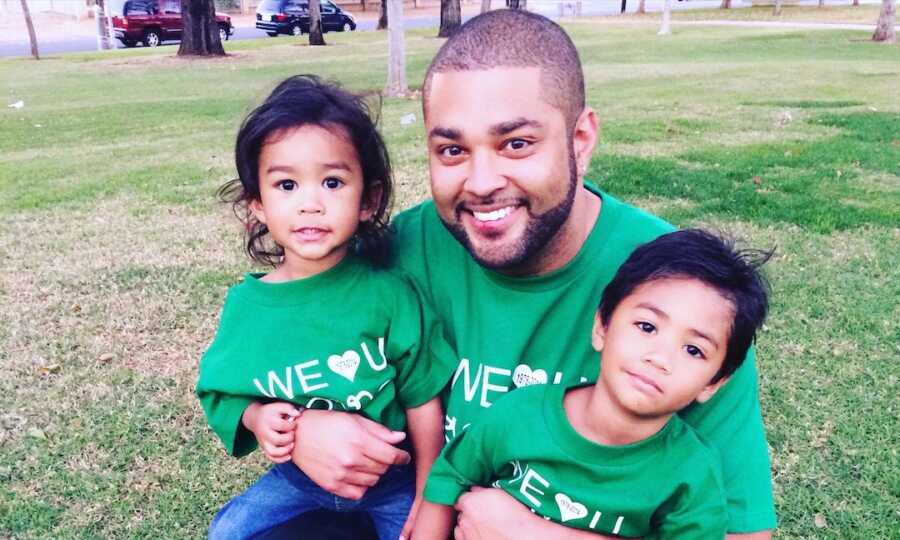
He brought his two sons.
Together, they had another child.
Five children now formed their household.
Serign never pretended that blending two families was effortless.
There were challenges.
There were mistakes.
There were moments when old pain resurfaced.
But he no longer believed moving forward required erasing the life that came before.
Visa remained part of his family’s story.
He continued talking about her with their sons.
He also spoke about her openly within his new family rather than treating her memory as something that had to be hidden to protect his current marriage.
That became an important part of what healing meant to him.

Loving Again Did Not Mean Loving Her Less
For Serign, one of the most important discoveries was that grief and new happiness did not cancel each other out.
He could miss Visa and love Michelle.
He could remain grateful for his first marriage while committing fully to his second.
He could tell his sons about their mother while building new memories with the family they had now.
The tragedy also made him more attentive to ordinary moments.
Small frustrations felt more temporary.
Time with people he loved felt more valuable.
And he became more conscious of being emotionally present rather than assuming there would always be another day to say what mattered.
He did not describe his new life as perfect.
That was never the goal.
He still made mistakes.
He still experienced grief.
Eight years after Visa’s death, he said that journey had not ended and probably never would.
What had changed was his relationship with it.
On March 4, 2014, an ordinary morning began with a question about coffee.
Hours later, Serign’s entire future seemed to disappear.
For a long time, he saw his life mainly through what he had lost.
Eventually, he began seeing what remained.
His sons.
His family.
His ability to love.
And, later, the possibility of loving someone new without betraying the woman who came before.
Visa’s death remained one of the defining events of his life.
But it was no longer the end of his story.