Gena Rowlands: Life Imitates Art in a Tragic Turn of Fate
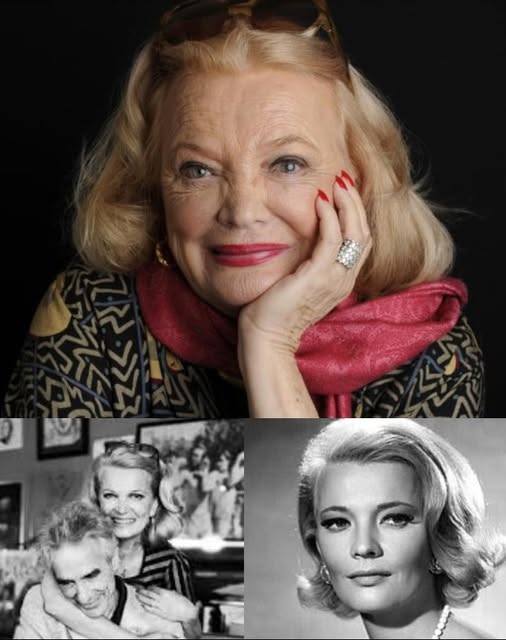
Gena Rowlands: Life Imitates Art in a Tragic Turn of Fate
It is one of Hollywood’s most heartrending coincidences. Legendary actress Gena Rowlands, who delivered a moving performance as a character battling dementia in the 2004 film The Notebook, would spend her final years confronting the very same disease.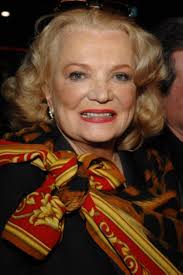
In 2024, Rowlands’ son and the film’s director, Nick Cassavetes, confirmed that his mother had been living with Alzheimer’s for roughly five years, ultimately developing “full dementia.”
The emotional resonance of Rowlands’ performance in The Notebook was not coincidental. Long before her own diagnosis, Rowlands had experienced the pain of watching a loved one succumb to Alzheimer’s—her own mother.
This personal history meant that she had inherited the emotional weight of the disease as a caregiver. She knew the confusion, the loss of memory, and the slow separation from loved ones from the perspective of a grieving daughter.
Tragically, she would later come to understand the disease from the patient’s side, as her own memory began to fade.
In her iconic role, Rowlands did more than act—she channeled profound empathy. By drawing on the anguish she witnessed in her mother, she elevated the portrayal of Alzheimer’s from scripted lines to a universal reflection on human fragility.
Her first-hand experience lent the role a deeply personal and painful dimension. She transformed private family sorrow into art that resonated with millions of viewers facing the invisible battles of Alzheimer’s in their own homes.
Speaking to O Magazine in 2004, she admitted that the subject matter was so raw that she might have refused the role if her son had not been directing the film.
“I went through that with my mother, and if Nick hadn’t directed the film, I don’t think I would have gone for it,” she said.
The trust and familial bond between mother and son allowed Rowlands to revisit her personal trauma on screen safely, turning it into a powerful cinematic experience.
Through this unique connection, she honored her mother’s struggle while later, unknowingly, foreshadowing her own.
Her casting in The Notebook became an extraordinary act of artistic courage and emotional authenticity.
Rowlands brought a lived reality to her character that few actors could replicate. Her performance highlighted the fragility of memory and the endurance of love in the face of relentless disease.
The film became a vessel for both mourning and empathy, speaking to families worldwide who confront similar challenges.
Years after embodying the disease on screen, Alzheimer’s tragically became Rowlands’ own reality, echoing the story she had so poignantly told.
In this heartbreaking symmetry, life mirrored art. The actress who once portrayed the devastating effects of memory loss ultimately experienced them herself.
Rowlands’ journey reminds audiences of the human cost behind Alzheimer’s, the quiet suffering of both patients and caregivers, and the profound resilience required to endure it.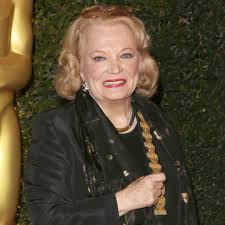
Her work in The Notebook remains a testament to her extraordinary ability to transform personal pain into universal understanding.
It also serves as a stark reminder of the unpredictable nature of life, where fiction and reality can intersect in deeply moving and tragic ways.
Gena Rowlands’ legacy, both on screen and off, continues to inspire empathy, courage, and a recognition of the shared human experience of love and loss.
She leaves behind a body of work that transcends performance, offering insight into the intimate struggles of families affected by Alzheimer’s.
Her life and art together illuminate the delicate, often painful, bond between memory and identity, art and reality, mother and child.
Ultimately, Gena Rowlands’ story is one of artistry entwined with life’s cruel ironies, a poignant reminder that the emotions we portray can sometimes presage the paths we ourselves will tread.