For 30 Years, Climbers Passed a Frozen Body Known Only as “Green Boots” — Now His Identity Has Finally Been Revealed
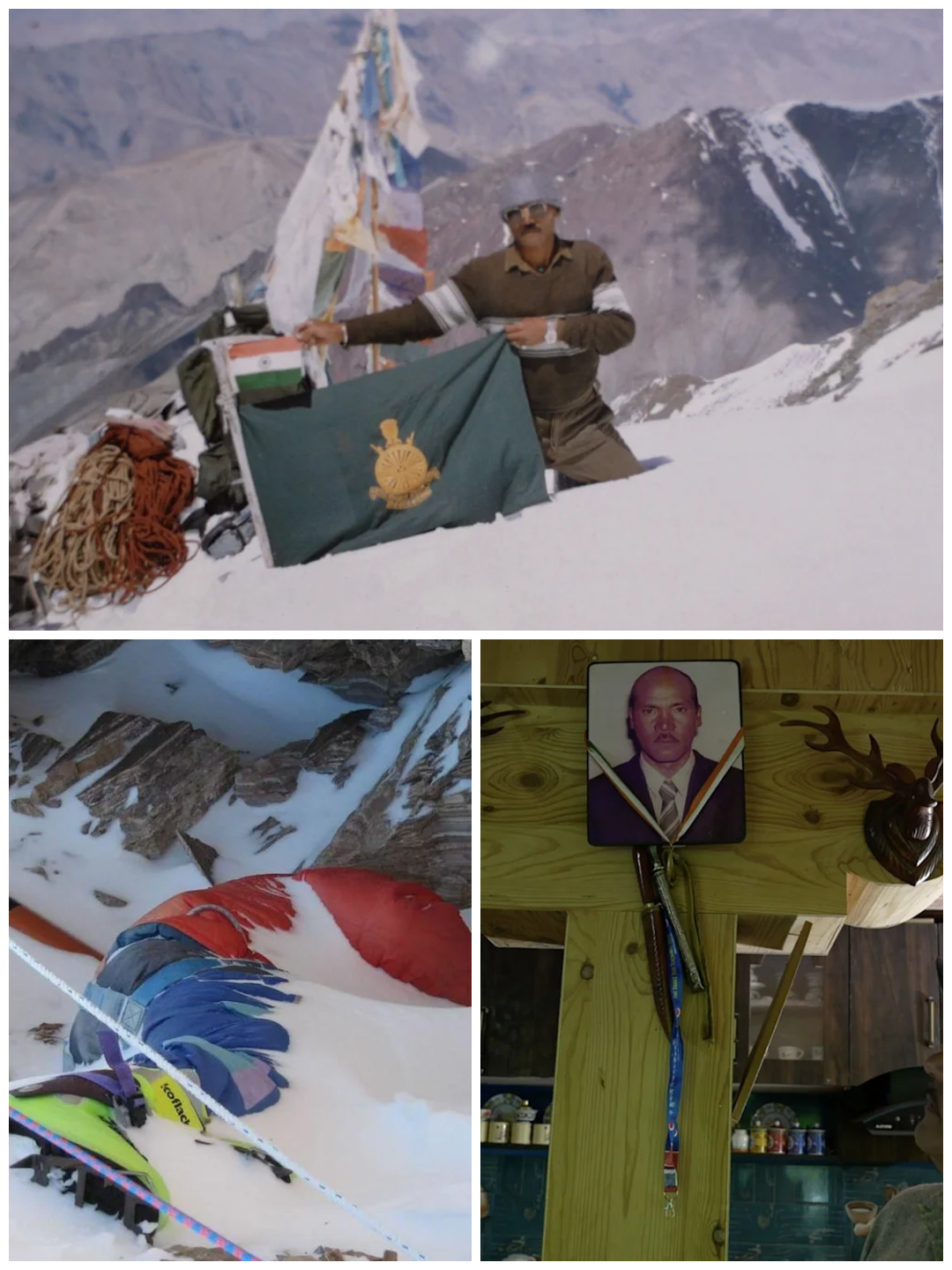
For nearly three decades, climbers approaching the summit of Mount Everest from the northeast passed one of the mountain’s most haunting landmarks.
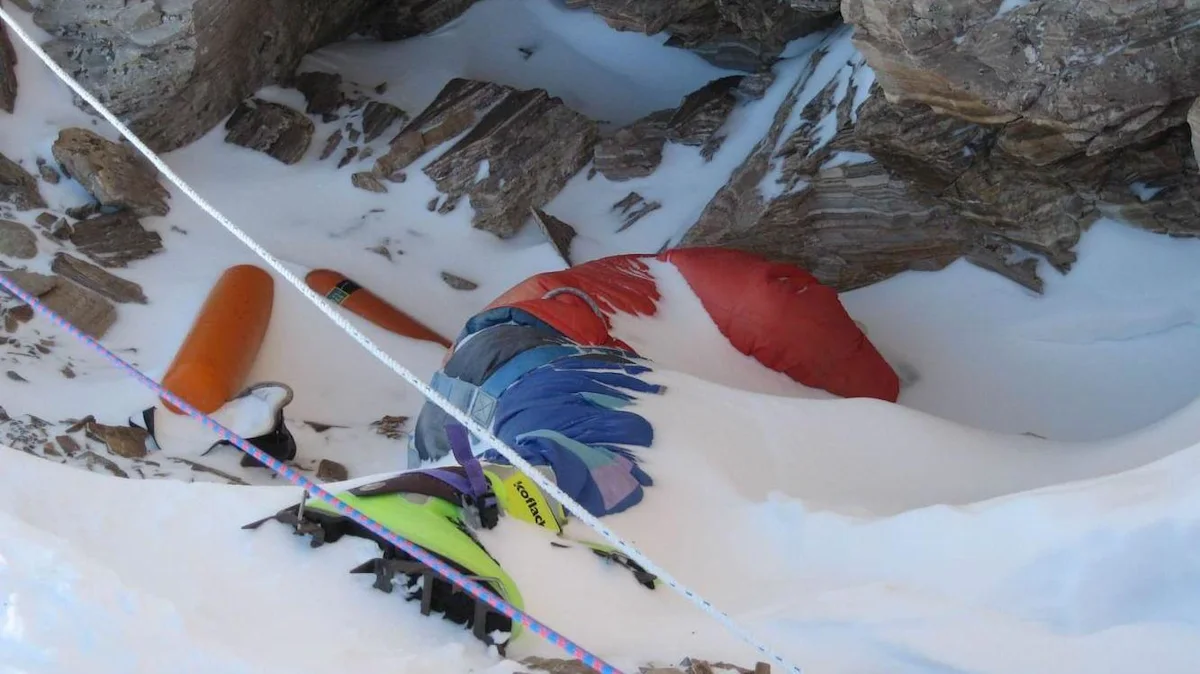
A man lay frozen high above 26,000 feet, curled inside a small rocky shelter with bright green mountaineering boots still visible.
Nobody calling him “Green Boots” knew his name with certainty.
He had become part of Everest’s geography—an unmistakable marker in the mountain’s notorious death zone, where oxygen is dangerously scarce and survival can become a minute-by-minute struggle.
Now, 30 years after the climber died during a catastrophic 1996 expedition, authorities believe the mystery has finally been solved.
The remains have been identified as those of Dorje Morup, a 47-year-old Indian climber and member of the Indo-Tibetan Border Police. A specialist operation is now being prepared to bring him down from Everest and return him to the family that has waited decades for answers.
Three Climbers Continued Into a Deadly Storm
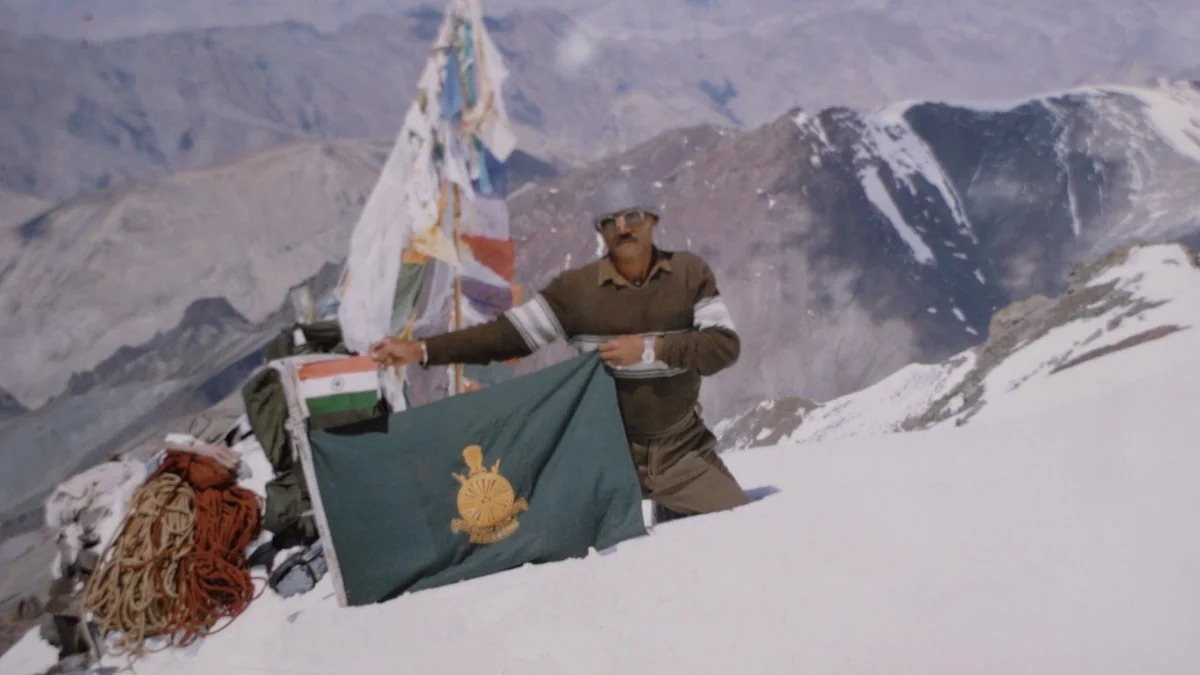
Morup was part of a six-man Indo-Tibetan Border Police team attempting to climb Everest from the Tibetan side in May 1996.
On May 10, worsening weather began threatening the expedition.
Three members of the group decided to turn around.
Morup continued upward with Tsewang Smanla and Tsewang Paljor.
At around 3:45 p.m. Nepal time, the three climbers radioed their expedition leader and reported reaching the summit.
But conditions were deteriorating rapidly.
A violent snowstorm swept across the mountain. Winds intensified, temperatures plunged and visibility collapsed.
From lower on the mountain, expedition members eventually spotted two headlamps moving high above them near the Second Step, at roughly 28,000 feet.
It was the final known sighting of the three men alive.
None returned to High Camp.
A Body in Green Boots Became an Everest Landmark
After the disaster, a body became visible along the northeast climbing route.
Its bright lime-green boots made it instantly recognizable.
Over time, climbers began referring to the unidentified man simply as “Green Boots.”
His resting place became known as Green Boots Cave, although it was more a shallow rocky recess than a true cave.
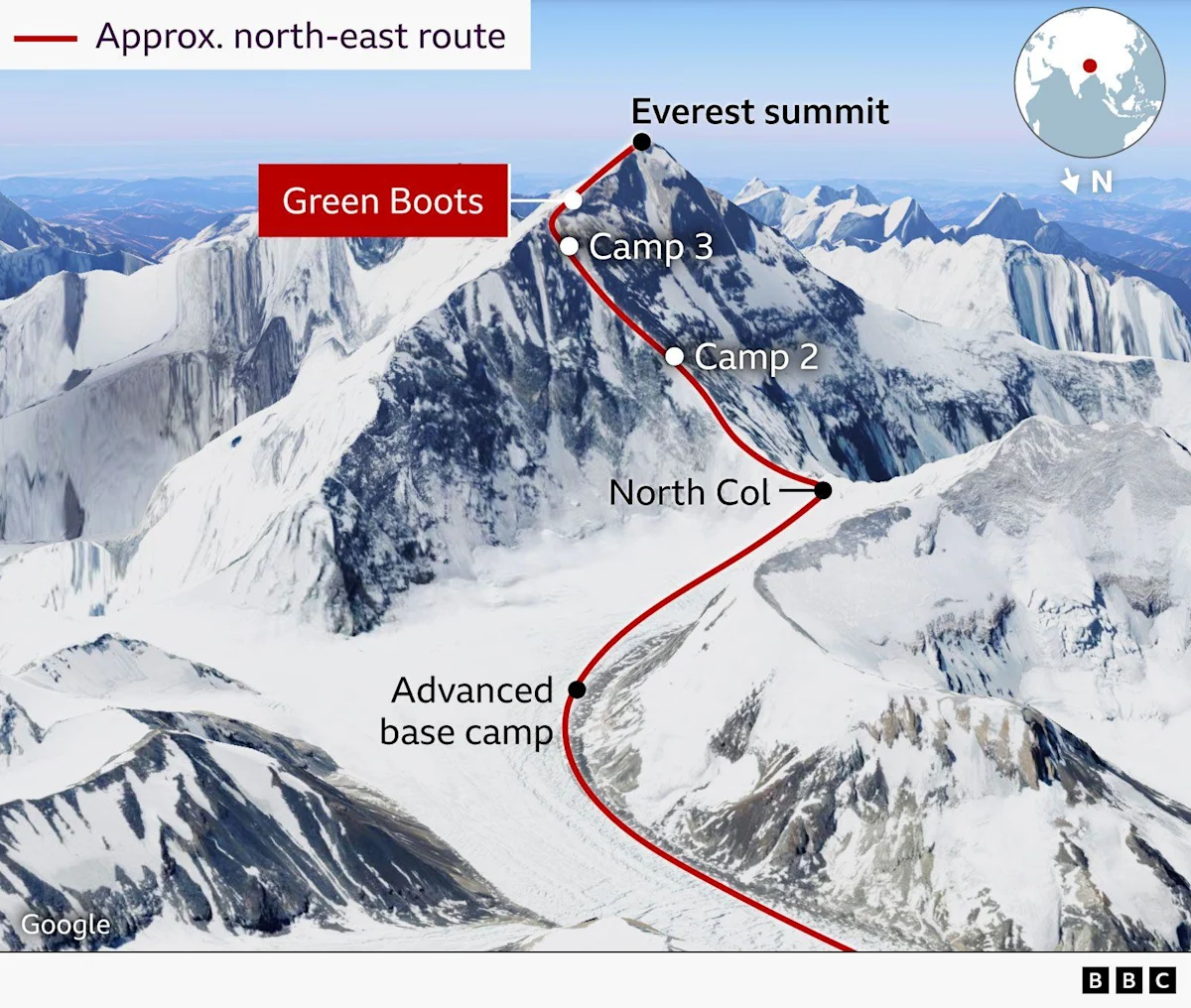
For climbers ascending the northeast ridge, reaching the body signaled that they were deep inside Everest’s death zone and approaching the final challenges before the summit.
Some climbers reportedly stopped nearby to rest or check oxygen supplies.
Others simply stepped around the frozen remains and continued upward.
The image became one of the most unsettling symbols associated with Everest.
At this altitude, recovery operations can be so dangerous that bodies are often left where climbers die.
Extreme cold can preserve remains for years or even decades, meaning the mountain itself becomes a grave.
Green Boots was among its most famous dead.
For Years, Many Believed He Was Someone Else
The identity of Green Boots remained disputed.
For years, many believed the body belonged to Tsewang Paljor, who died during the same 1996 expedition.
Morup was another possibility.
Both men had disappeared during the storm, and the circumstances surrounding their deaths made certainty difficult.
As the years passed, Green Boots became famous while the person inside the climbing gear remained largely unknown.
That began to change as investigators revisited evidence connected to the expedition.
Clothing, equipment, testimony from surviving expedition members and information about the climbers’ final movements helped authorities build a stronger case that the body was Morup’s.
Recent reports said DNA comparison provided confirmation identifying the remains as Dorje Morup.
After 30 years, a nickname could finally be replaced by a name.
His Family Had Waited Decades
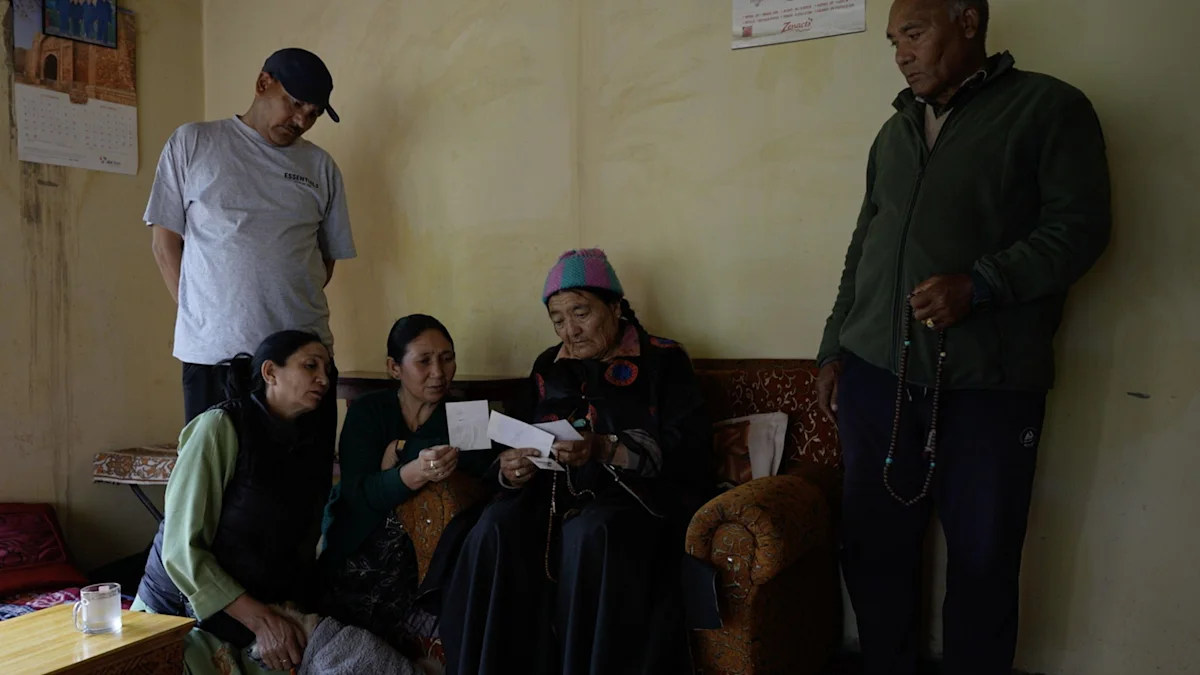
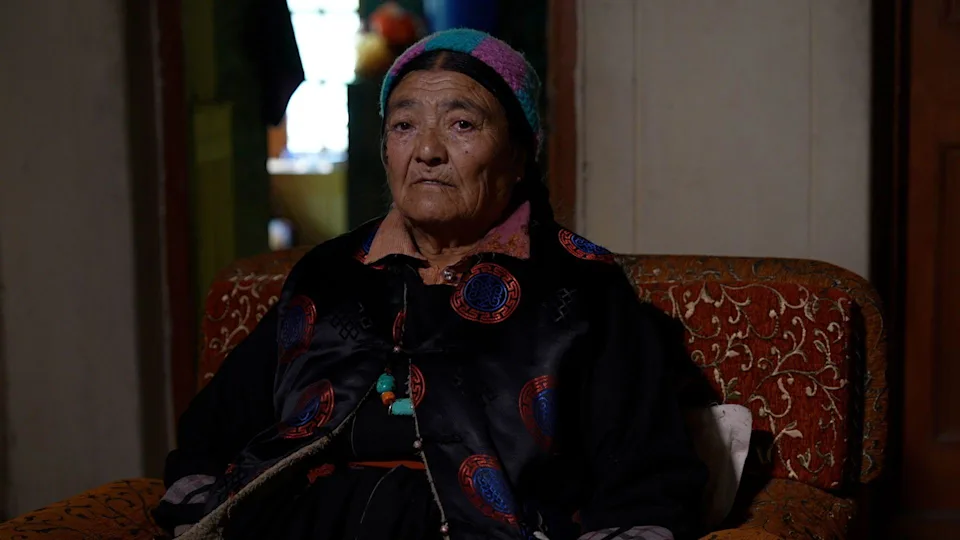
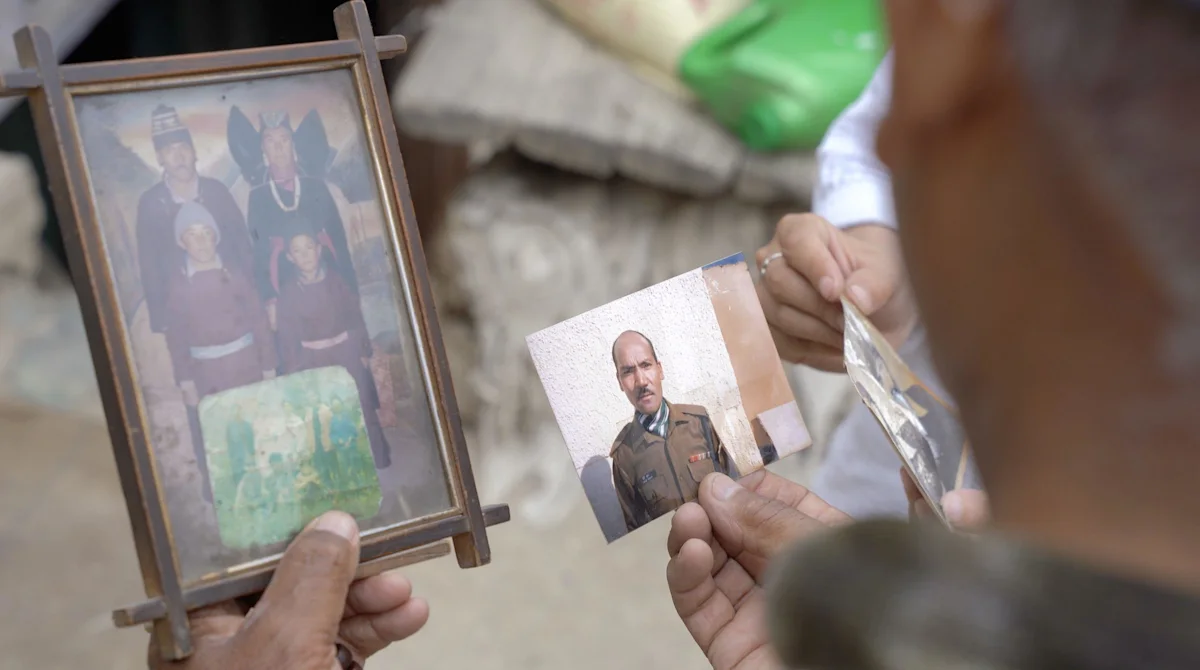
For Morup’s relatives, the identification transformed an Everest legend back into a husband and father.
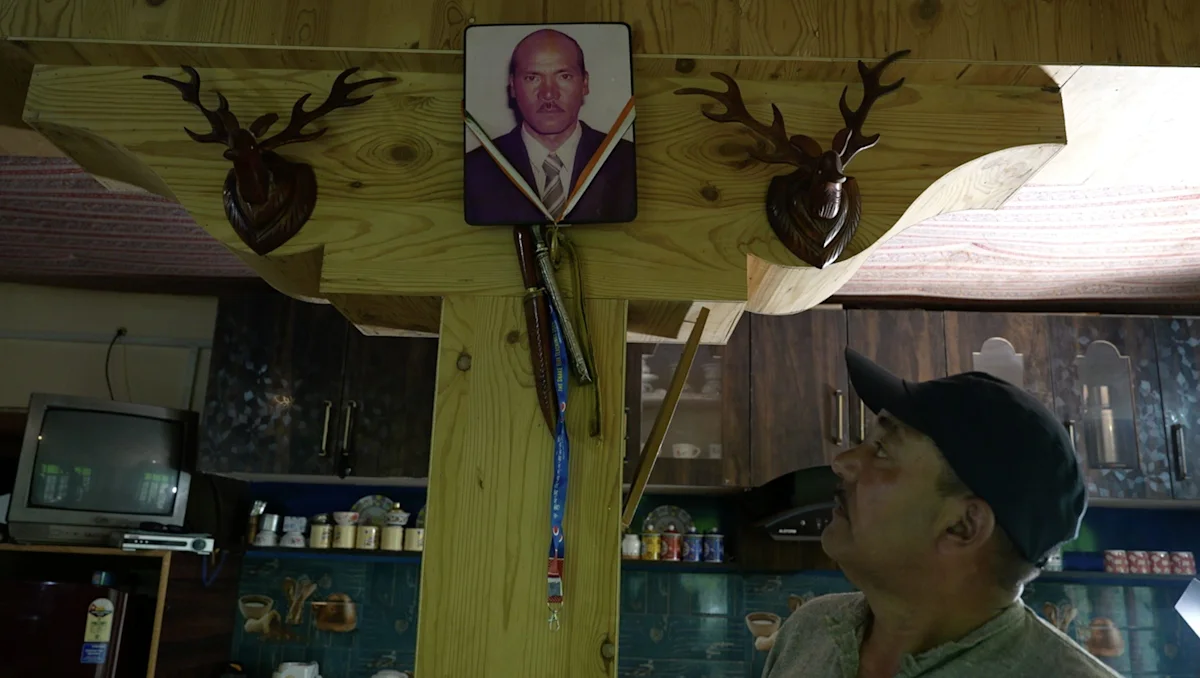
For years, the family had only photographs, medals, trophies and other reminders of his climbing career.
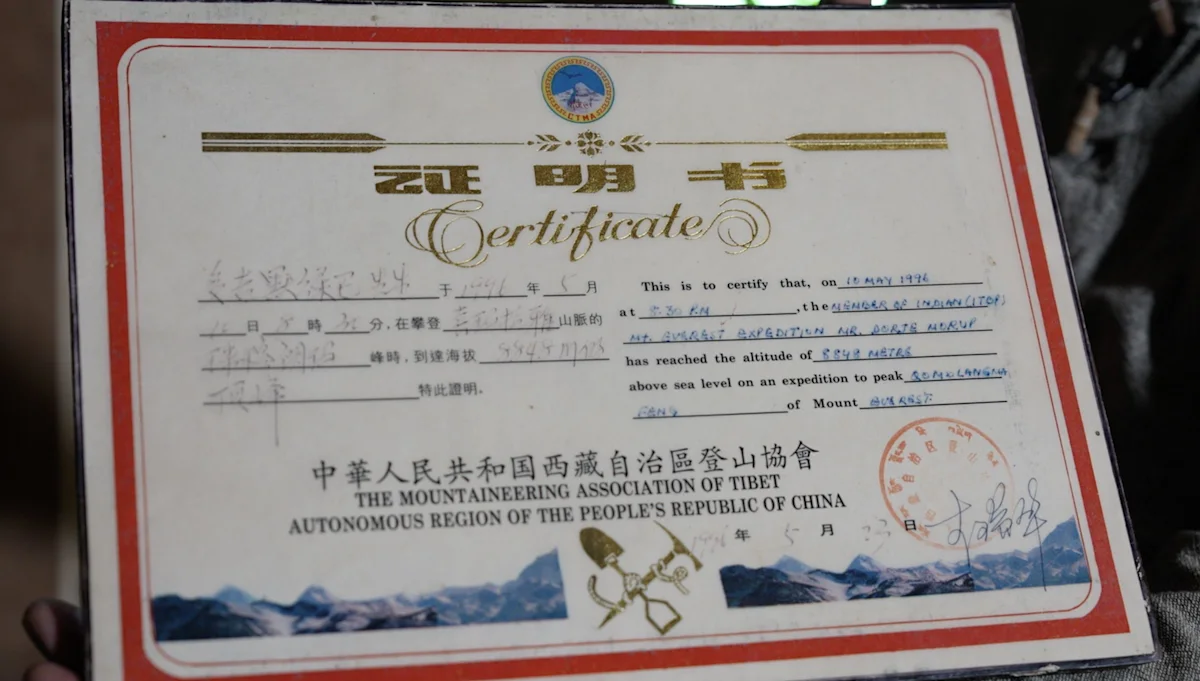
They also kept a certificate from Chinese authorities stating that Morup reached Everest’s summit at 5:30 p.m. on May 10, 1996.
His family never received his body.
His son, Punchok Dorjai, said his father should be remembered as someone who gave his life while representing his country.
The family also wants Morup’s teammates who died alongside him to receive the same respect.
If the recovery succeeds, Morup’s family intends to hold a funeral near Martyrs Park in Leh, the capital of Ladakh.
There is also one unusual piece of his story they hope to preserve.
The green boots.
The footwear that turned an unknown climber into an Everest landmark could eventually become a family keepsake honoring the man inside them.
Bringing Him Home Could Be Almost as Dangerous as Climbing Up
Identifying Morup does not mean retrieving him will be easy.
His remains are located at an altitude where the human body rapidly deteriorates without supplemental oxygen.
Temperatures can fall to around minus 40 degrees, while oxygen levels are only a fraction of those available at sea level.
The Tibetan side of Everest also presents steep and difficult terrain with fewer rescue resources than the more heavily traveled Nepalese route.
The Indo-Tibetan Border Police has sought a specialist high-altitude rescue organization capable of carrying out the recovery.
The requirements are demanding.
Teams must have experience conducting rescue operations above 8,000 meters, and they will need authorization from Chinese authorities to work on Everest’s Tibetan side.
A helicopter cannot simply fly to the body.
The remains would have to be physically moved down steep terrain until reaching an altitude where other transportation becomes possible.
Frozen bodies can also become extremely heavy because clothing and equipment accumulate ice.
One climber familiar with high-altitude recovery warned that the first roughly 1,000 meters of descent could be especially dangerous.
The central concern is clear: bringing home someone who died decades ago must not cost another climber their life.
Everest Still Holds Many of Its Dead
Morup’s story is not unique in one painful sense.
Hundreds of climbers have died attempting Everest, and many bodies remain on the mountain.
Recovering someone from the death zone can require enormous amounts of money, manpower and risk.
Even comparatively straightforward recoveries may cost tens of thousands of dollars.
That has created an uncomfortable reality on Everest: the bodies of climbers sometimes remain visible for generations, becoming landmarks for those who follow.
Green Boots became perhaps the most recognizable example.
His bright footwear reduced a complex human life to two words known around the mountaineering world.
But behind that nickname was Dorje Morup.
A police officer.
A climber.
A husband and father.
A man who climbed toward the top of the world with two teammates as a storm closed around them.
Thirty Years Later, the Mountain May Finally Give Him Back
For decades, Everest preserved Morup almost exactly where his final journey ended.
Thousands of climbers may have passed close to him without knowing who he was.
Some probably regarded Green Boots as a grim warning about the mountain’s danger.
Others used the location simply to measure how far they had left to climb.
His family saw something entirely different.
They saw a man who never came home.
Now the Indo-Tibetan Border Police hopes to change that.
If the recovery operation succeeds, the body that spent 30 years frozen near Everest’s summit will finally descend the mountain.
The world may remember the landmark called Green Boots.
But the people waiting below have something more important to reclaim.
His name is Dorje Morup.