🎬 Kill Zone 2 – When Justice Breaks Its Own Rules
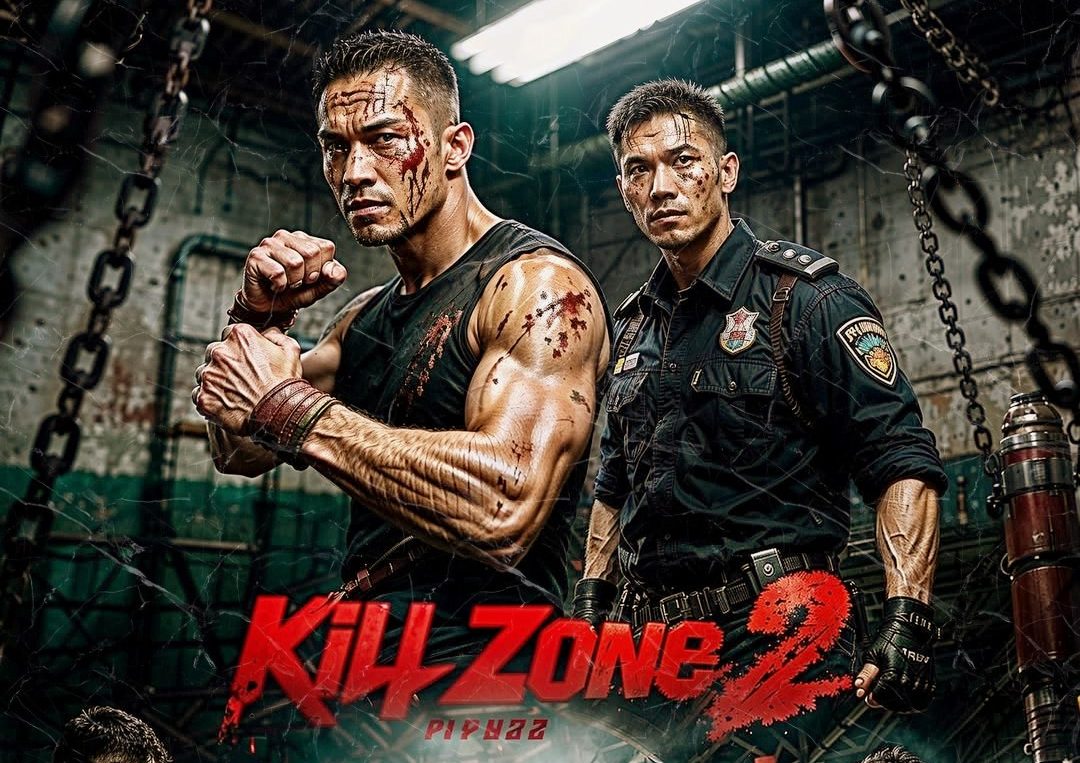
Kill Zone 2 plunges the audience back into a brutal world where justice is fragile, violence is systematic, and survival comes at an unbearable cost. Far from a conventional sequel, the film expands the moral universe of the original, shifting the battlefield from Hong Kong’s streets to the hidden underworld of transnational crime, where human lives are treated as currency.
At the center of the story is Kit, an undercover cop trapped inside a shadowy prison run by an organ-trafficking syndicate. His mission has gone catastrophically wrong, leaving him imprisoned among criminals, stripped of identity, and fighting to stay alive long enough to expose the truth. The film wastes no time establishing a suffocating sense of dread, where every corridor feels like a death sentence.
Tony Jaa enters the story as Chatchai, a principled prison guard whose quiet strength contrasts sharply with the cruelty around him. Unlike Kit, Chatchai is not driven by duty to the law but by devotion to family, especially his gravely ill daughter. His moral compass is clear, yet the world he inhabits offers no clean choices—only painful compromises.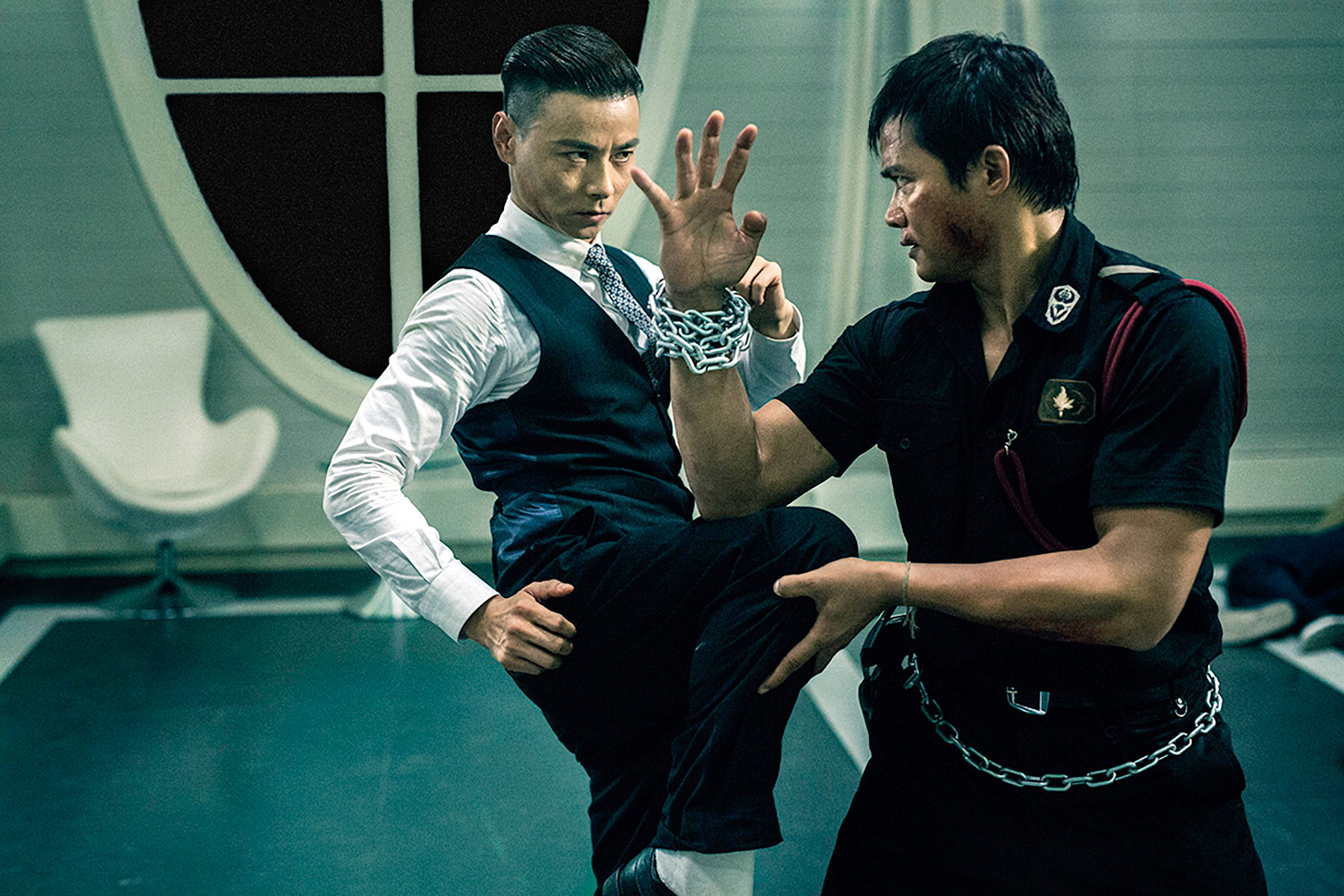
What makes Kill Zone 2 so gripping is its refusal to romanticize heroism. Every act of resistance is punished, every moment of hope threatens collapse. The film explores how systems of power grind down individuals, forcing good men into impossible positions where violence becomes the only remaining language.
The action sequences are raw, visceral, and emotionally charged. Tony Jaa’s signature physicality is grounded here in desperation rather than spectacle, while Wu Jing delivers controlled intensity, portraying a man constantly calculating how much humanity he can afford to lose. The fights are not about dominance—they are about survival.
Director Soi Cheang crafts a relentlessly bleak atmosphere, using cold lighting, claustrophobic spaces, and muted color palettes to emphasize entrapment. The prison becomes a character itself: corrupt, merciless, and designed to erase identity. Every escape attempt feels earned, every injury painfully real.
Beneath the bone-crunching combat lies a haunting critique of modern exploitation. The film confronts the horror of organ trafficking with unflinching clarity, framing it not as a sensational plot device but as an extension of systemic greed. Lives are reduced to inventory, and morality is treated as a liability.
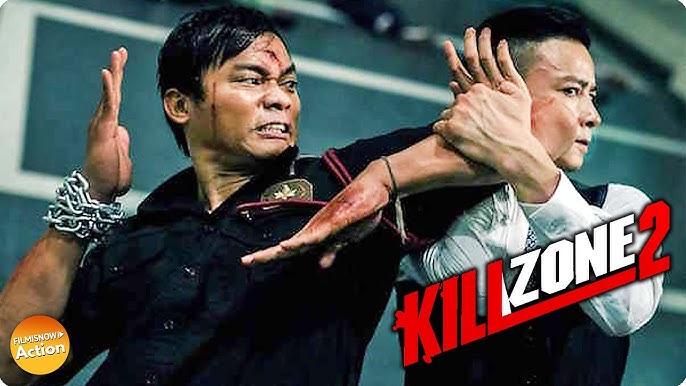
The bond that forms between Kit and Chatchai becomes the emotional backbone of the film. Their alliance is quiet, built on shared suffering rather than trust. In a world that rewards cruelty, their fragile connection becomes a form of rebellion, proving that solidarity itself can be an act of defiance.
As the narrative accelerates toward its climax, Kill Zone 2 abandons any illusion of easy resolution. The violence escalates, loyalties fracture, and the cost of justice becomes terrifyingly clear. Victory, if it exists at all, is measured not in triumph but in what remains afterward.
The final act is both explosive and tragic, delivering a conclusion that feels inevitable rather than triumphant. The film refuses catharsis, instead leaving the audience with a lingering sense of moral unease. Justice is not clean, and survival does not guarantee salvation.
Kill Zone 2 stands as a powerful, uncompromising action thriller that fuses martial arts excellence with grim social commentary. It is a film that hurts, challenges, and resonates long after the final blow is struck—proving that sometimes the most brutal battles are fought not with fists, but with conscience.
Related movie:
Related movie:
Related movie:
Related movie:
Related movie:
Related movie:
Related movie:
Related movie:
Related movie:
Related movie:
Related movie:
Related movie:
Related movie:
Related movie:
Related movie:
Related movie:
Related movie:
Related movie:
Related movie:
Related movie:
Related movie:
Related movie:
Related movie:
Related movie:
Related movie: