THE REVENANT 2: THE REBORN (2026)
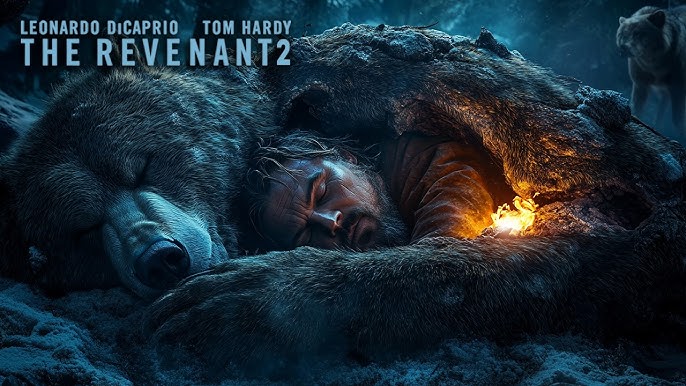
THE REVENANT 2: THE REBORN (2026) – A Return to the Brutality of Survival and Vengeance
In The Revenant 2: The Reborn (2026), Hugh Glass (played by Leonardo DiCaprio) returns to a world where the cold has evolved from merely a backdrop into an unforgiving enemy. Having already survived the impossible, Glass is now a living legend—burdened with the weight of his survival and the endless journey that awaits him. But in this haunting sequel, survival is just the beginning. As Glass faces new challenges, vengeance, and the harsh reality of a wilderness that demands more than just strength, he is confronted by his past—and the unresolved violence that threatens to consume him once again.
The cold, as in the first film, is not just a physical challenge; it becomes an antagonist in its own right. Glass, forever marked by the brutality he’s endured, is once again dragged into a conflict where nature itself seems to conspire against him. But this time, the wilderness holds a darker force, as old enemies resurface, and fractured alliances demand sacrifices. The chilling landscape becomes a cruel reminder that some wounds—both physical and emotional—cannot be healed. They wait, festering, until the moment of reckoning arrives.
The film pushes Glass into the depths of his own soul as he grapples with the unresolved violence from his past. His pursuit of vengeance, which once drove him through unimaginable suffering, now becomes a hollow quest. What happens when vengeance fails to bring closure? How do you continue living when the ghosts of your past refuse to fade? Glass’ journey is not just about survival; it’s about confronting the truth that sometimes, vengeance doesn’t heal—it only prolongs the suffering.
Leonardo DiCaprio’s portrayal of Glass continues to be a masterpiece of stoic determination and raw emotion. DiCaprio delves deeper into the torment and burden of a man who has defied death more than once, yet finds no peace in his survival. Glass is a man caught between the unforgiving cold of nature and the coldness of his own unresolved pain. His expressions speak volumes, each step he takes into the frozen wilderness is a step further into the psychological abyss where the lines between revenge and self-destruction blur.
The film’s visuals are nothing short of breathtaking. The landscapes are hauntingly beautiful—frozen forests, snowy mountains, and icy rivers that seem as relentless as Glass himself. Yet, the beauty of nature is tempered with its inherent cruelty. Every frame is meticulously crafted to show both the magnificent and brutal forces at play, from the delicate flicker of fire against a vast white abyss to the bloodstains that mar the pristine snow. The cinematography is poetic, capturing the starkness of survival in a world that is at once beautiful and merciless.
The bear, once a symbol of Glass’s suffering, returns in a more ominous form, becoming a harbinger of nature’s merciless will. It’s not just a symbol of the past anymore; it represents the unyielding force of nature, the violence that relentlessly pursues him. The film’s violence is unapologetic, brutal in its execution, and unnervingly real. There’s no escaping the brutality of the world Glass inhabits—no respite from the dangers that lurk at every turn.
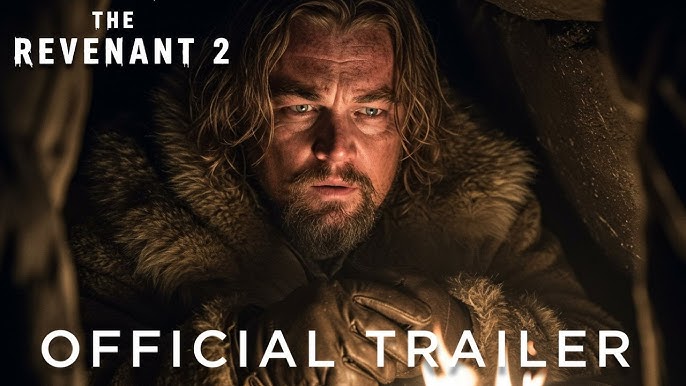
What sets The Revenant 2: The Reborn apart from its predecessor is its exploration of a man’s inability to escape his past. Glass has survived death, but when you’ve been forced to confront the deepest parts of your soul, what else is there to fear? The film delves deep into Glass’s psyche, examining the toll that vengeance takes—not just on the body, but on the soul. His journey is less about external battles and more about internal reckonings.
The intensity of The Revenant 2 is relentless. Every scene is filled with tension, each moment a test of survival, strength, and the human spirit. Glass’s struggle is not only with nature but with the consequences of his actions. The emotional weight of the story is amplified by the unforgiving environment, and every victory feels fleeting. In a world so harsh, survival itself becomes an act of defiance against fate.
The film also asks profound questions about the nature of suffering, vengeance, and redemption. Can a man ever truly be reborn after surviving death and loss? Is vengeance a path to redemption, or is it a cycle that only perpetuates more pain? The Revenant 2: The Reborn explores these themes with haunting beauty and brutal honesty, reminding us that the scars of the past, no matter how deeply buried, are never truly gone.
As the story reaches its powerful climax, Glass faces not just his enemies but the very essence of what it means to live, survive, and seek revenge in a world that has already taken everything from him. The final moments of the film will leave audiences breathless, reminding them that in the end, survival is the greatest battle of all.