A Playground in Jade Kops’ Hometown Now Carries Her Name After Her Death at 19
On a beach in ’s-Gravenzande, the Dutch town Jade Kops called home, an artist took a rake to the sand and began making a portrait.
It was an unusual canvas for a young woman whose life had become known far beyond her hometown. Sand would shift. The tide would come. The image itself could never remain exactly as it was.
But nearby, another tribute to Jade had been made in a place designed to last much longer.
A playground carried her name.
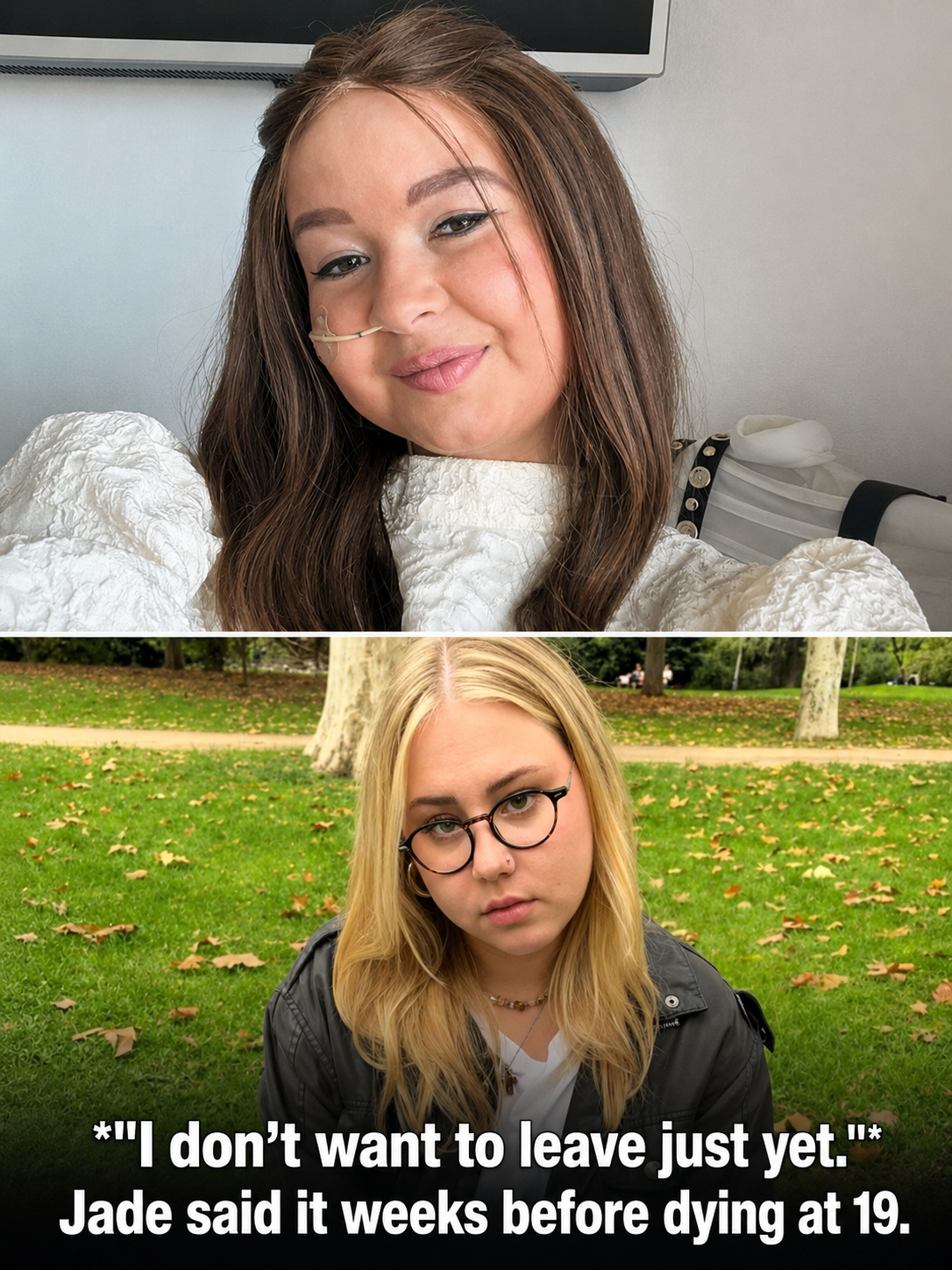
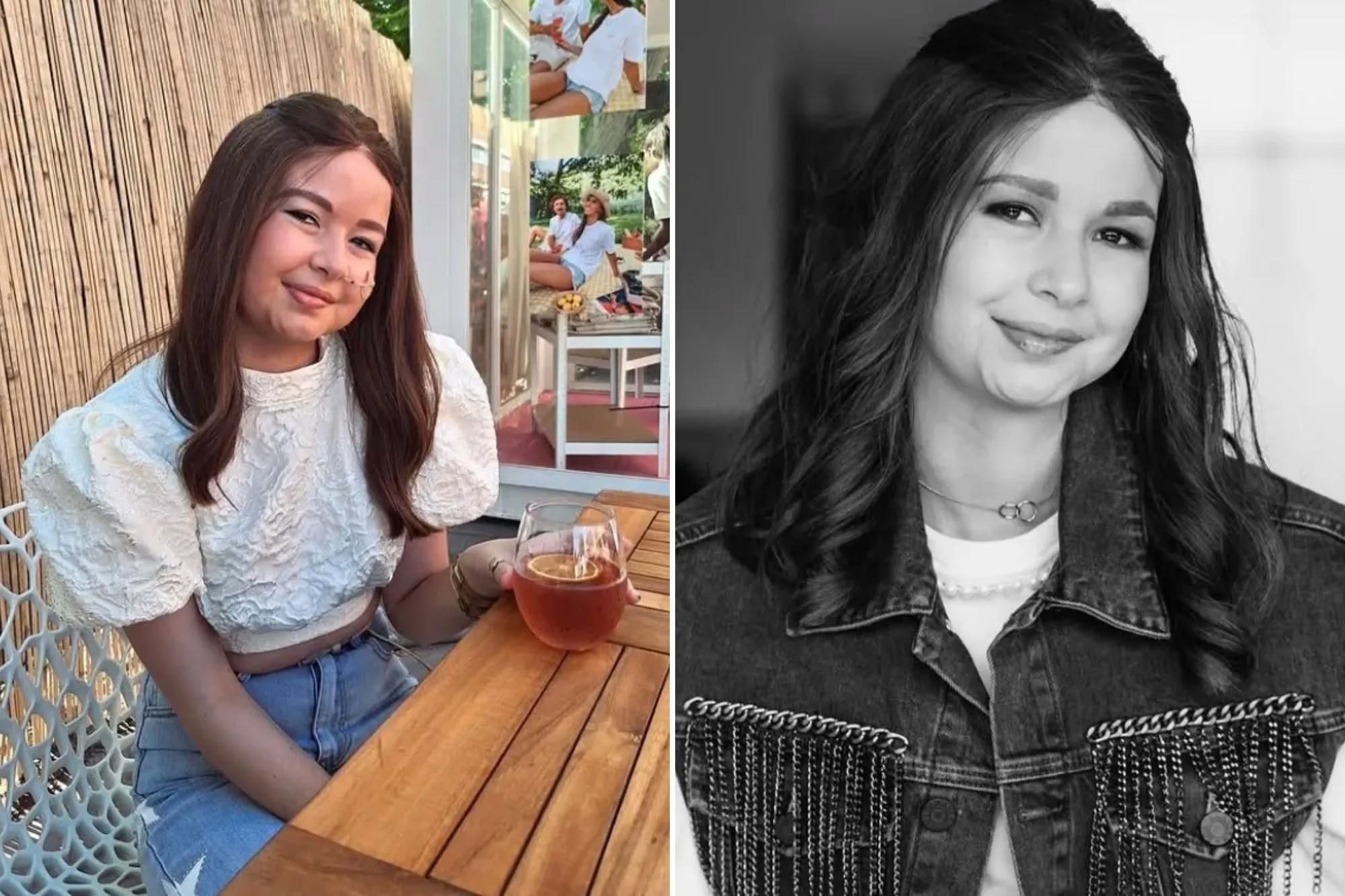
Jade was 19 when she died on April 24, 2026, after living with rhabdomyosarcoma for five years. She had been diagnosed at 14 and became known in the Netherlands for sharing what it was like to face cancer while still growing up.
Five Years Changed What People Knew About Jade
Cancer entered Jade’s life when she was still a teenager.
At 14, she was diagnosed with rhabdomyosarcoma, a rare cancer. The illness would remain part of her life for the next five years, through treatments, setbacks and the years in which most teenagers are making plans without having to measure them against a disease.
Jade chose to let other people see some of that life.
Her public presence eventually became closely tied to childhood cancer. She spoke about being sick at an age when serious illness can feel far removed from the everyday lives of most families, bringing attention to what children and teenagers with cancer actually experience.
By the time her health was failing, many people already knew her story.
That made the tributes in ’s-Gravenzande different from the flood of messages that often follows the death of a public figure. They weren’t only words posted after Jade was gone.
Some of them were created while she was still alive.
Her Name Went Onto a Playground
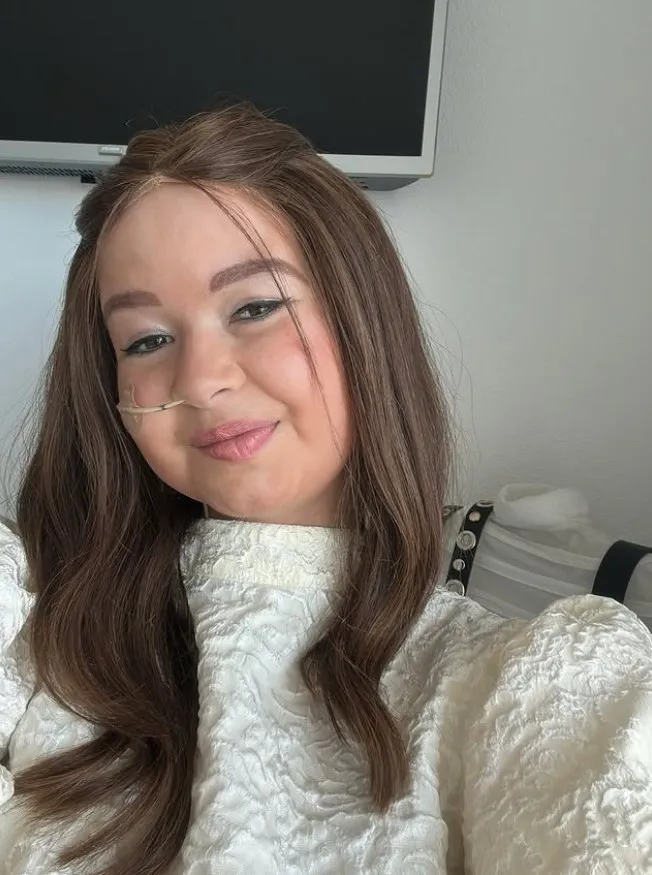
In April 2026, a playground in ’s-Gravenzande was given a new name: Jade Speeltuin, or Jade Playground.
The play area was in her own neighborhood. The naming meant that Jade’s connection to children would be placed somewhere children could actually run, climb, laugh and return the next day.
Jade was still alive to see the tribute.
She called it a “beautiful gift” and described the gesture as loving, beautiful and special. The playground had been renamed with help from neighbors and the local municipality.
The setting mattered.
For years, cancer had shaped so much of Jade’s public life. The place carrying her name was not a hospital room, treatment center or memorial built around death.
It was a playground.
That choice put her name beside something ordinary: children spending an afternoon outside.
Then an Artist Took Her Face to the Beach
Months earlier, another tribute had appeared in a place closely connected to Jade’s hometown.
Artist Gert-Jan van der Kooij went onto the beach at ’s-Gravenzande and used a rake to create an enormous portrait of Jade in the sand. The work was so large that its full shape was best seen from above.
This memorial was built to disappear.
The wet sand could hold the lines only temporarily. Wind, water and the movement of the beach would eventually erase what the artist had drawn.
Yet while it existed, Jade’s face covered a stretch of a place associated with home.
The contrast between those two tributes is hard to miss. One image was drawn in sand and could not stay. The other placed Jade’s name on a playground that children could keep coming back to.
Both were created before her death.
By then, Jade knew that time was becoming something she could no longer assume she had.
“I don’t want to leave yet,” she wrote during her final weeks.
She was 19.
What Stayed After April 24
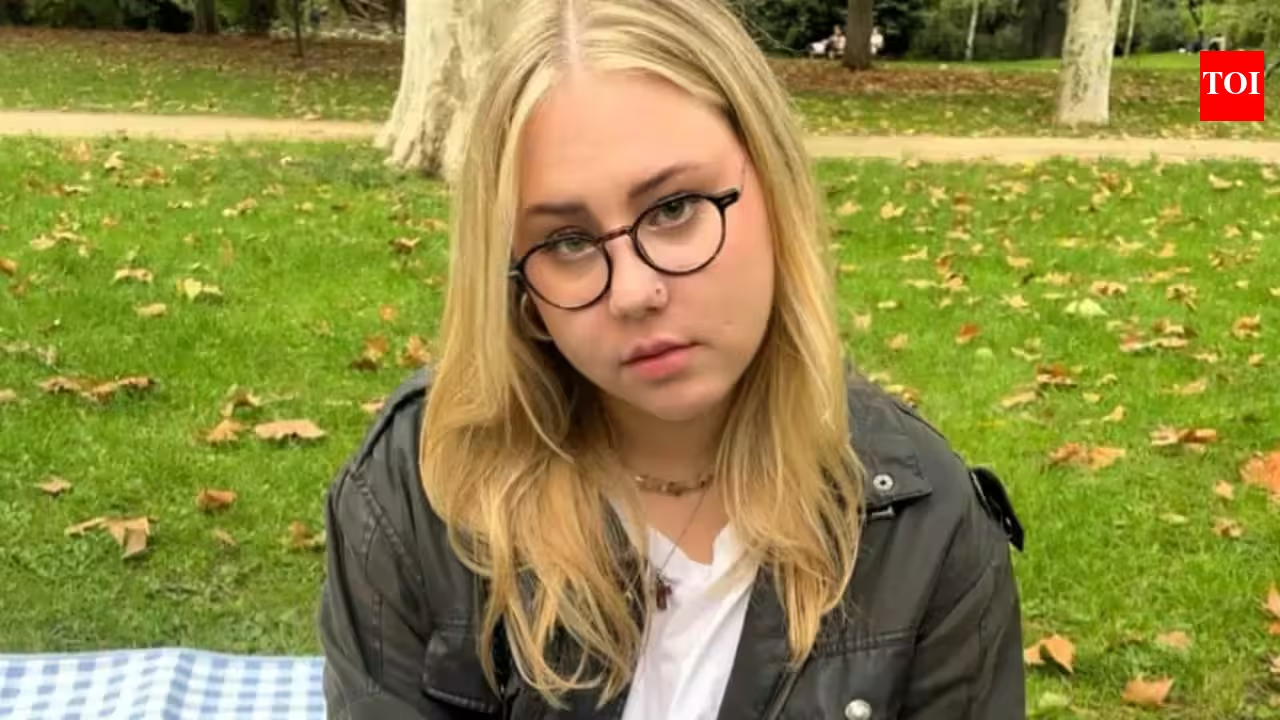
Jade died on April 24 after five years with rhabdomyosarcoma. Her family announced her death after she had spent much of her teenage life speaking publicly about cancer and the children living with it.
Much of the coverage that followed focused on the words she had written near the end of her life.
But back in ’s-Gravenzande, there were already physical traces of what her life had meant to the people around her.
One had been temporary from the start.
The giant portrait on the beach was made from sand, with no way to protect it permanently from the water.
The playground was different.
Its name remained tied to Jade in the neighborhood where she had lived, turning a piece of everyday community life into something connected to the teenager who had spent years asking people to pay attention to children with cancer.
Jade had written that she didn’t want to leave yet.
She did not get the extra years she wanted. She died at 19, before five years with cancer could become six.
On the beach, the portrait made with a rake could disappear with the tide.
A short distance away, children could still arrive at a playground with Jade Kops’ name on it.