Paul Walker Was More Than Brian O’Conner — The Life Behind the Fast & Furious Star
For millions of movie fans, Paul Walker will always be Brian O’Conner.
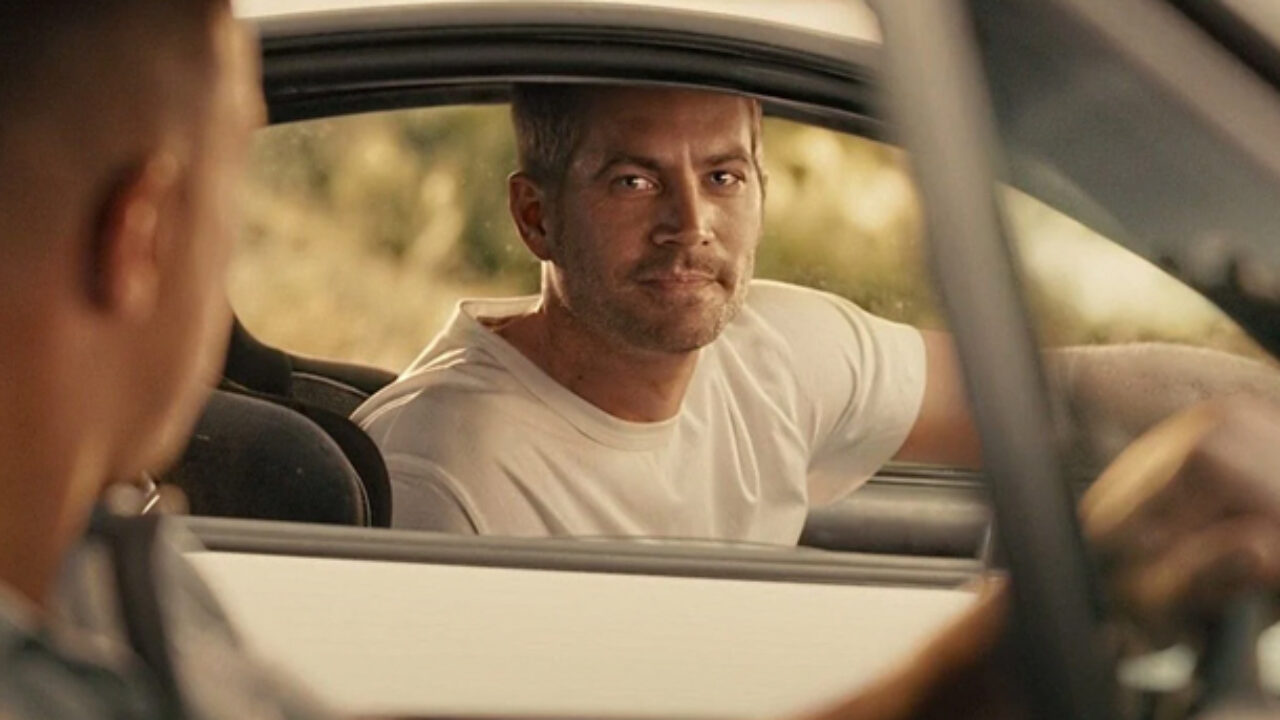
The blue-eyed undercover cop first appeared in The Fast and the Furious in 2001, walking into Los Angeles street-racing culture as an outsider before becoming one of the franchise’s most beloved characters.
Over the years, Brian evolved from police officer to racer, fugitive, husband, father and, most importantly, part of Dominic Toretto’s chosen family. Walker returned again and again as the series grew from a relatively grounded street-racing movie into one of Hollywood’s biggest action franchises.
But the image fans saw on screen told only part of his story.
Away from Hollywood, Walker developed passions that had little to do with red carpets or box-office numbers. He spent years studying Brazilian Jiu-Jitsu, maintained a deep fascination with marine biology and the ocean, and created a disaster-relief organization that sent skilled volunteers directly into communities in crisis.
Those parts of his life help explain why, more than a decade after his death, Walker continues to be remembered for much more than the cars he drove on screen.
Before Brian O’Conner, There Was a Very Different Career Path
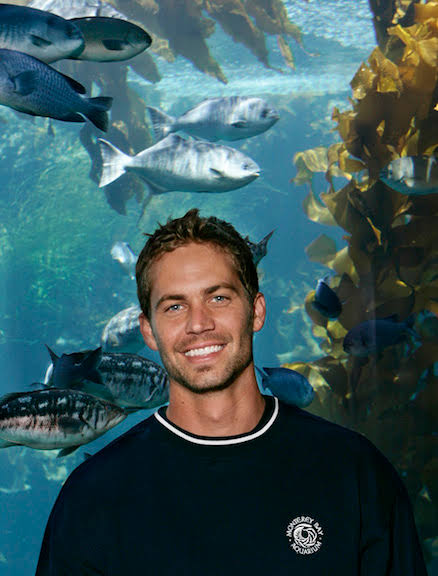
Long before Fast & Furious made him an international star, Walker had another subject that fascinated him: marine biology.
He studied the field in college, and his interest in the ocean continued even after acting became his full-time career. ABC News reported that Walker remained deeply passionate about marine science and eventually had the chance to participate in a National Geographic expedition involving great white sharks.
He joined researchers working off the coast of Mexico as they caught, studied and tagged great whites — the kind of hands-on experience that went far beyond a celebrity simply appearing in a nature program. National Geographic’s own material for Shark Men notes Walker’s participation with the scientific team as it pursued research on the sharks.
It was an unexpected side of an actor who was becoming increasingly associated with engines, speed and action movies.
Yet in hindsight, it fit him.
Walker was drawn to outdoor adventure, the water and physically demanding pursuits throughout his life.
And one of those pursuits became far more serious than many casual fans ever realized.
He Wasn’t Just Training for Movie Fight Scenes
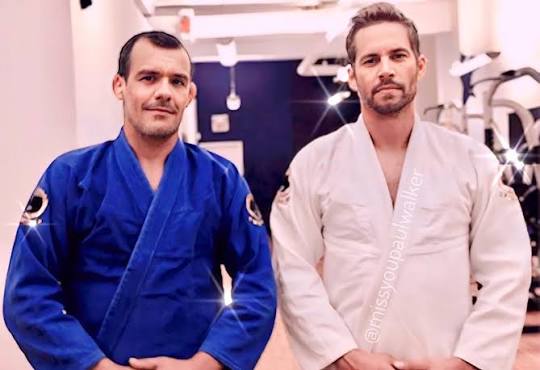
Walker became a committed student of Brazilian Jiu-Jitsu.
He began training with Ricardo “Franjinha” Miller at Paragon Brazilian Jiu-Jitsu in the mid-2000s and eventually reached brown-belt level. His interest wasn’t limited to learning a few techniques for the cameras. Accounts from those who trained with him describe someone who genuinely wanted to progress through the art.
Miller later recalled that Walker wanted Jiu-Jitsu represented in his movies and even worked with him on fight material for Brick Mansions. According to Miller’s account, Walker had also hoped eventually to earn a black belt rather than simply receiving special treatment because he was famous.
He died while still a brown belt.
After Walker’s death, Miller awarded him a black belt in memoriam as a tribute to his years of dedication to the discipline.
It is one of those details that changes the familiar image of Walker slightly.
Audiences saw an action star.
His instructor saw a serious student.
His Career Went Far Beyond Fast & Furious
The franchise inevitably dominates conversations about Walker’s film career, but it wasn’t his only significant work.
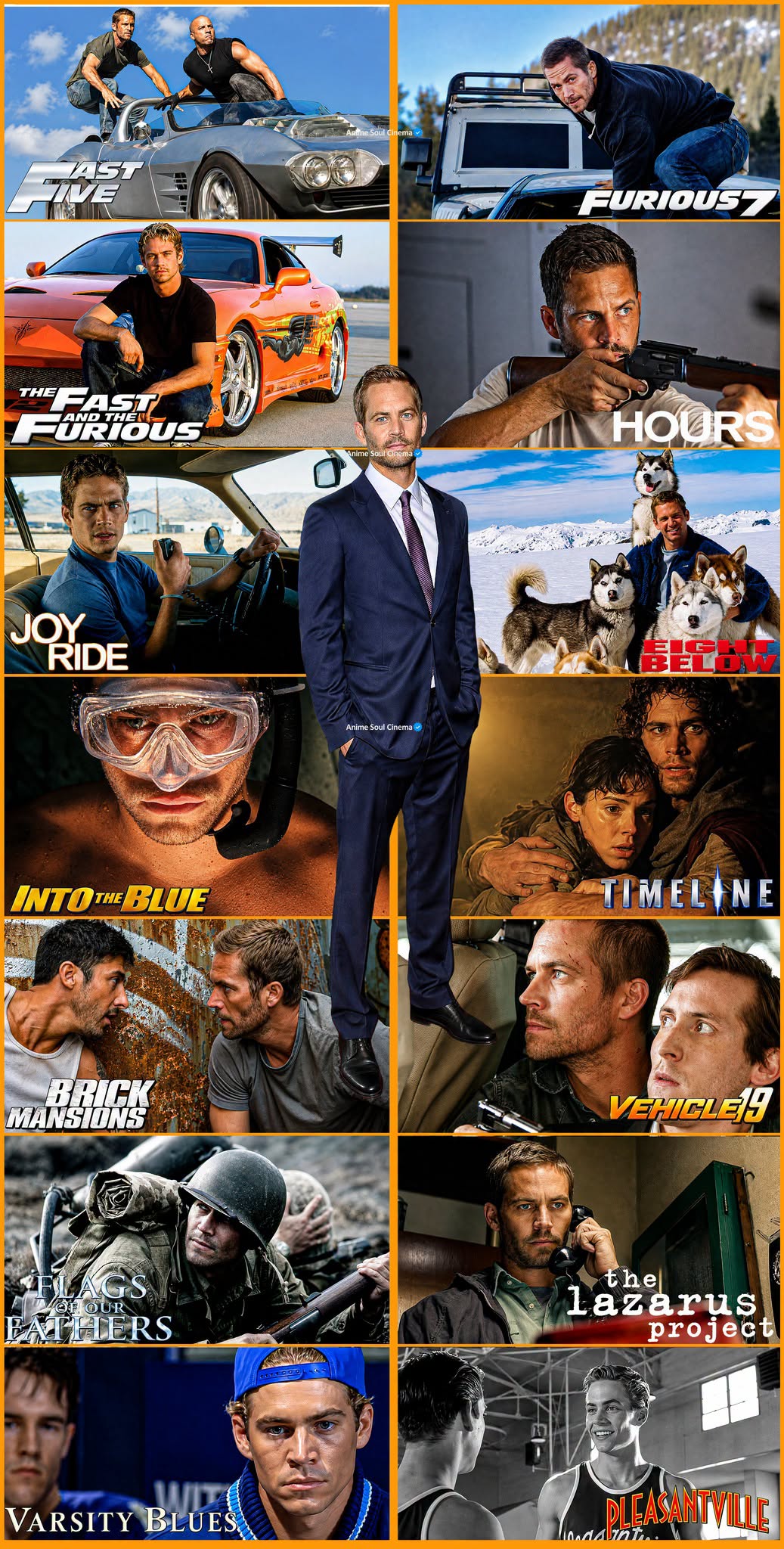
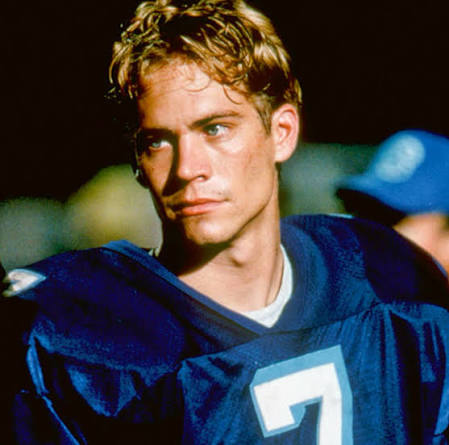
Before Brian O’Conner, he appeared in late-’90s films such as Varsity Blues and Pleasantville. After becoming a star, he moved between thrillers, dramas, adventure movies and action films.
There was the road thriller Joy Ride, the time-travel adventure Timeline, the underwater adventure Into the Blue and Disney’s Antarctic survival drama Eight Below. He also appeared in Clint Eastwood’s Flags of Our Fathers and later starred in movies including Hours, Vehicle 19 and Brick Mansions.
Those films showed different versions of Walker.
In Eight Below, much of the emotional weight came from his character’s connection with a team of sled dogs.
In Into the Blue, the ocean that fascinated him in real life became part of the movie’s world.
And in Hours, Walker carried an unusually intimate survival story as a father desperately trying to protect his newborn daughter during Hurricane Katrina.
Still, Brian O’Conner remained the role audiences connected with most deeply.
That made what happened outside his acting career even more meaningful.
The Trip to Haiti That Changed His Direction
In January 2010, a devastating earthquake struck Haiti.
Walker responded by assembling a relief team and traveling to the country to help.
According to Reach Out WorldWide, the experience exposed him to a practical problem in disaster response: trained professionals were available, but getting the right people and resources into affected areas quickly could be difficult.
After returning from Haiti, Walker created Reach Out WorldWide, better known as ROWW.
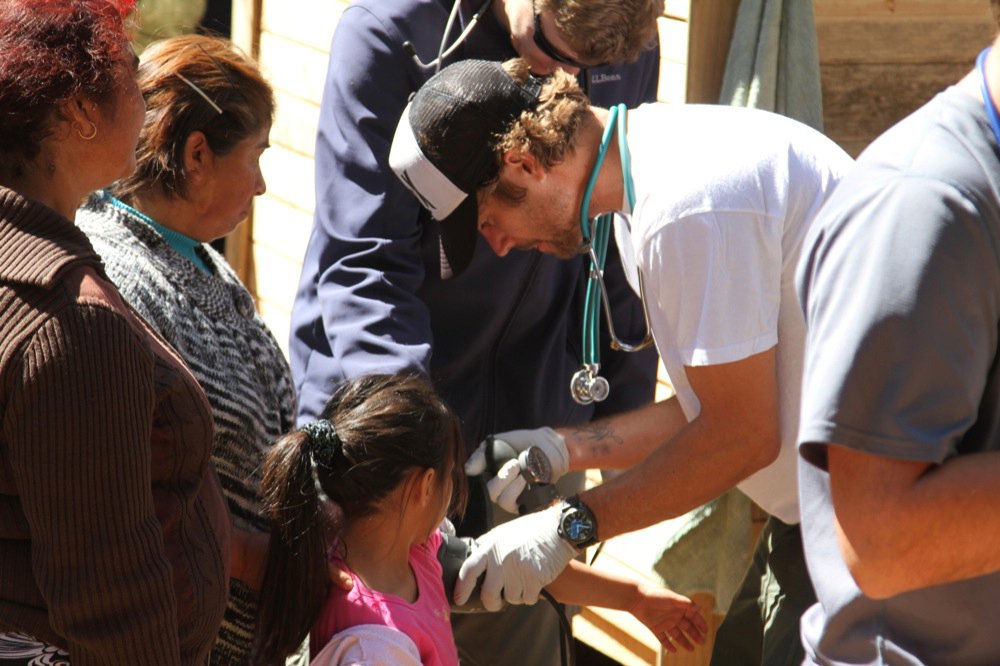
The nonprofit was designed to deploy skilled volunteers — including medical professionals and first responders — to disaster areas where their abilities could immediately help local communities.
Walker wasn’t merely the celebrity name attached to it.
ROWW says he was involved throughout the organization, including funding operations and deploying with teams himself.
The organization subsequently responded to disasters including the Chile earthquake and other crises around the world.
It was work that existed largely outside the Hollywood spotlight.
And tragically, it also became connected to the final day of Walker’s life.
His Final Day Was Connected to the Cause He Created
On Nov. 30, 2013, Walker attended an event connected to Reach Out WorldWide.
Later that day, he was riding as a passenger in a Porsche Carrera GT driven by his friend Roger Rodas when the car crashed in California.
Walker died at 40.
The news devastated fans and his Fast & Furious family.
At the time, production on Furious 7 was still underway.
The filmmakers ultimately completed the movie with help from Walker’s brothers and visual effects, giving Brian O’Conner a farewell rather than killing the character. The closing sequence — Brian and Dom driving together before taking separate roads — became one of the franchise’s most emotional moments.
It was a goodbye to a character, but audiences understood that it was also a goodbye to the actor.
The Part of Paul Walker’s Legacy That Never Left the Screen
The movies remain the most visible part of Walker’s legacy.
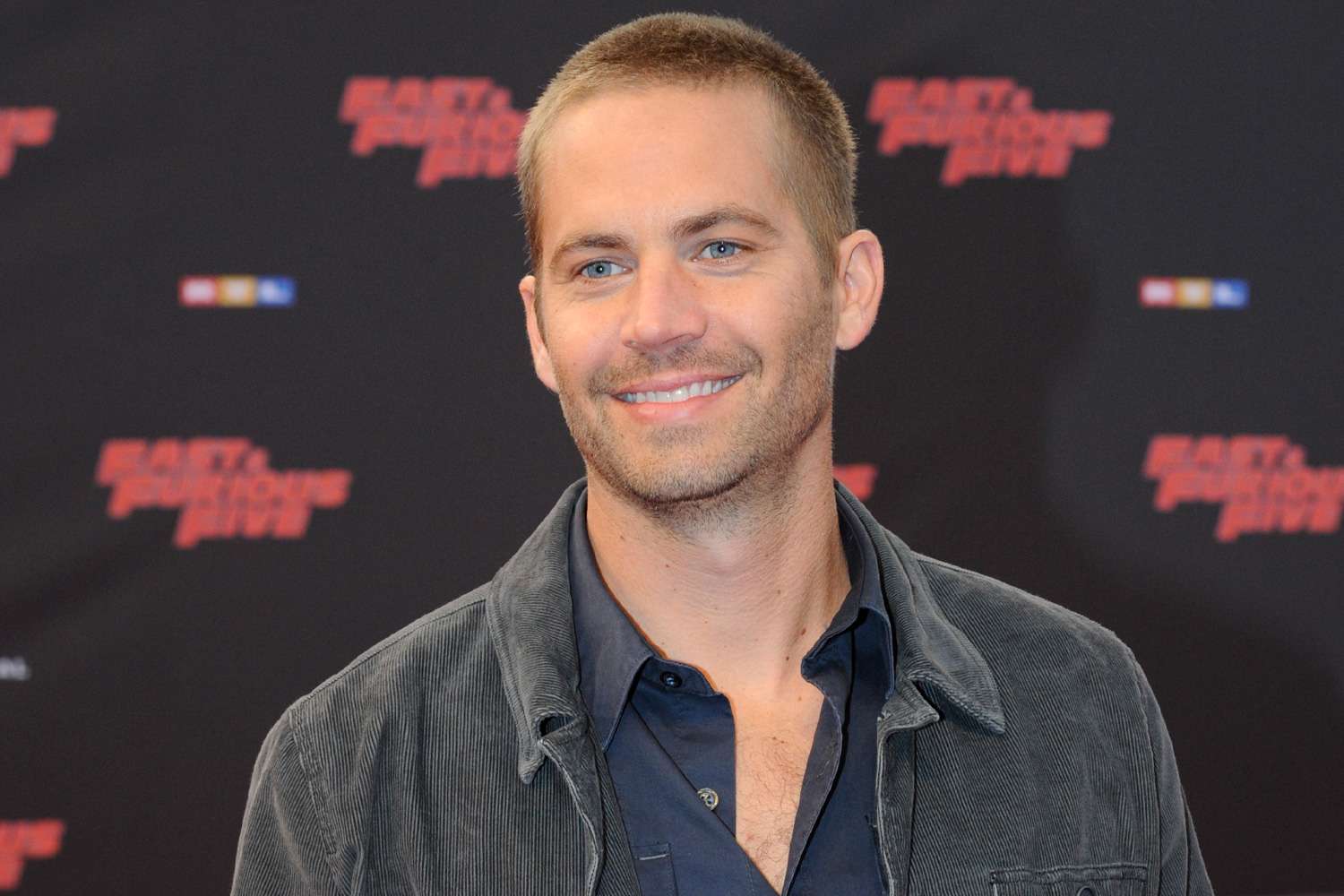
New generations can still discover Brian O’Conner pulling up beside Dom, watch Eight Below, revisit Joy Ride, or see how his screen presence changed across the films pictured throughout his career.
But his legacy did not end when the credits rolled.
Reach Out WorldWide continued operating after his death, with his brother Cody helping carry forward the mission Walker established.
His daughter, Meadow Walker, has also continued honoring her father’s memory, including through charitable work and tributes to him over the years.
That may be why Walker remains unusually beloved among movie fans.
Brian O’Conner made him famous.
But the person behind Brian was interested in far more than fame.
He studied the oceans because he genuinely loved them.
He trained in Brazilian Jiu-Jitsu because he wanted to improve.
And when he encountered people facing disaster, he created an organization designed to put capable people on the ground where they were needed.
For fans who knew only the movie star standing beside a bright orange Toyota Supra or racing alongside Vin Diesel, those details reveal a much larger story.
Paul Walker built a career around speed.
But some of the most important things he left behind had nothing to do with cars at all.