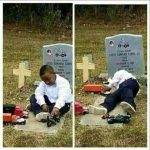
The Extra Plate: A Christmas Tradition That Never Ended
The Extra Plate: A Christmas Tradition That Never Ended
Every Christmas Eve, my mother transformed our small apartment into something magical. The air filled with the smell of honey-glazed ham, creamy mashed potatoes, and cornbread so warm it seemed to wrap the whole room in comfort. It was never just about food. It was about love, tradition, and making sure no one felt alone.
And every year, without fail, she set one extra plate on the table.
It was not for a guest who had RSVP’d.
It was not for a relative running late.
It was for Eli.
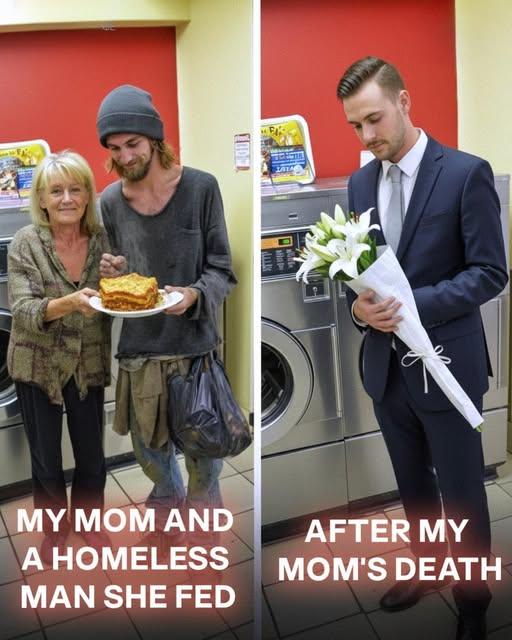
Eli was a young homeless man who slept in the laundromat down the street. Most people walked past him without looking twice. Some avoided him altogether. My mother never did.
She knew his name.
She knew his story.
She knew he mattered.
On Christmas Eve, she would pack a full plate of food, wrap it carefully, and hand it to him with the same warmth she gave to anyone else in our lives. She never treated it like charity. She treated it like family.
She never let him feel invisible.
Not once.
When I was a teenager, I did not understand it.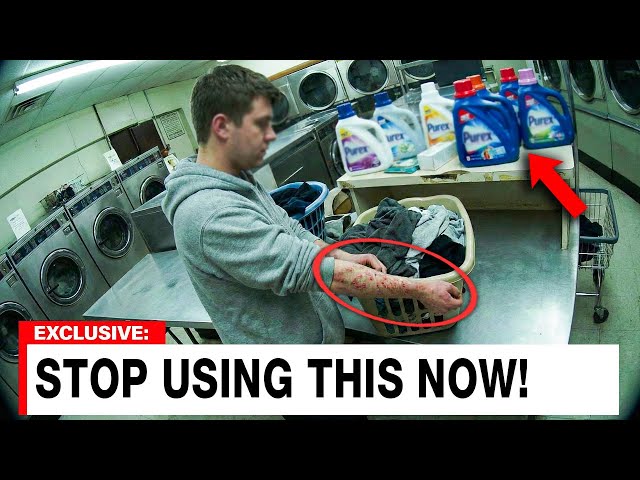
I wondered why she gave so much to someone who could not give anything back. I thought kindness should be balanced, measured, practical. I did not yet understand that real generosity does not keep score.
Years passed. I grew up. I moved away. Life carried me forward.
Then everything changed.
My mother was diagnosed with cancer.
The illness moved quickly. Treatments weakened her. Hope faded. By October, she was gone.
By December, I was still breathing, but I was not living.
Grief hollowed out the holidays. The decorations felt meaningless. The music sounded distant. The warmth she once created was gone.
On Christmas Eve, alone in my apartment, I heard her voice in my heart.
“Eli needs comfort food. It’s our tradition.”
So I cooked.
With shaking hands, I prepared the same meal she always made. I packed the plate the way she had taught me. And I walked to the laundromat, unsure of what I would find.
When I opened the door, I froze.
Eli was standing there.
But he was no longer wearing worn clothes or sleeping on a bench.
He was dressed in a suit.
In his hands, he held a bouquet of white lilies.
His eyes filled with tears when he saw me.
Then he spoke softly.
“Your mom asked me not to tell you… until now.”
He told me how she had helped him long after I moved away. How she had connected him with shelters, job programs, and counselors. How she had encouraged him when he wanted to give up. How she believed in him when he did not believe in himself.
“She said one day,” he continued, “you would need to know that her love didn’t end with her life.”
The flowers were for her.
He had come to honor the woman who saved him.
In that moment, I understood.
The extra plate was never just about food.
It was about dignity.
It was about faith in people.
It was about love that refuses to disappear.
My mother’s kindness did not die with her.
It lived on.
In Eli.
In me.
In every life she touched.
And on that Christmas Eve, through grief and grace, I finally learned what she had been teaching all along.