Sharon Stone Reveals the Painful Choice She Made in Her Mother’s Final Hours
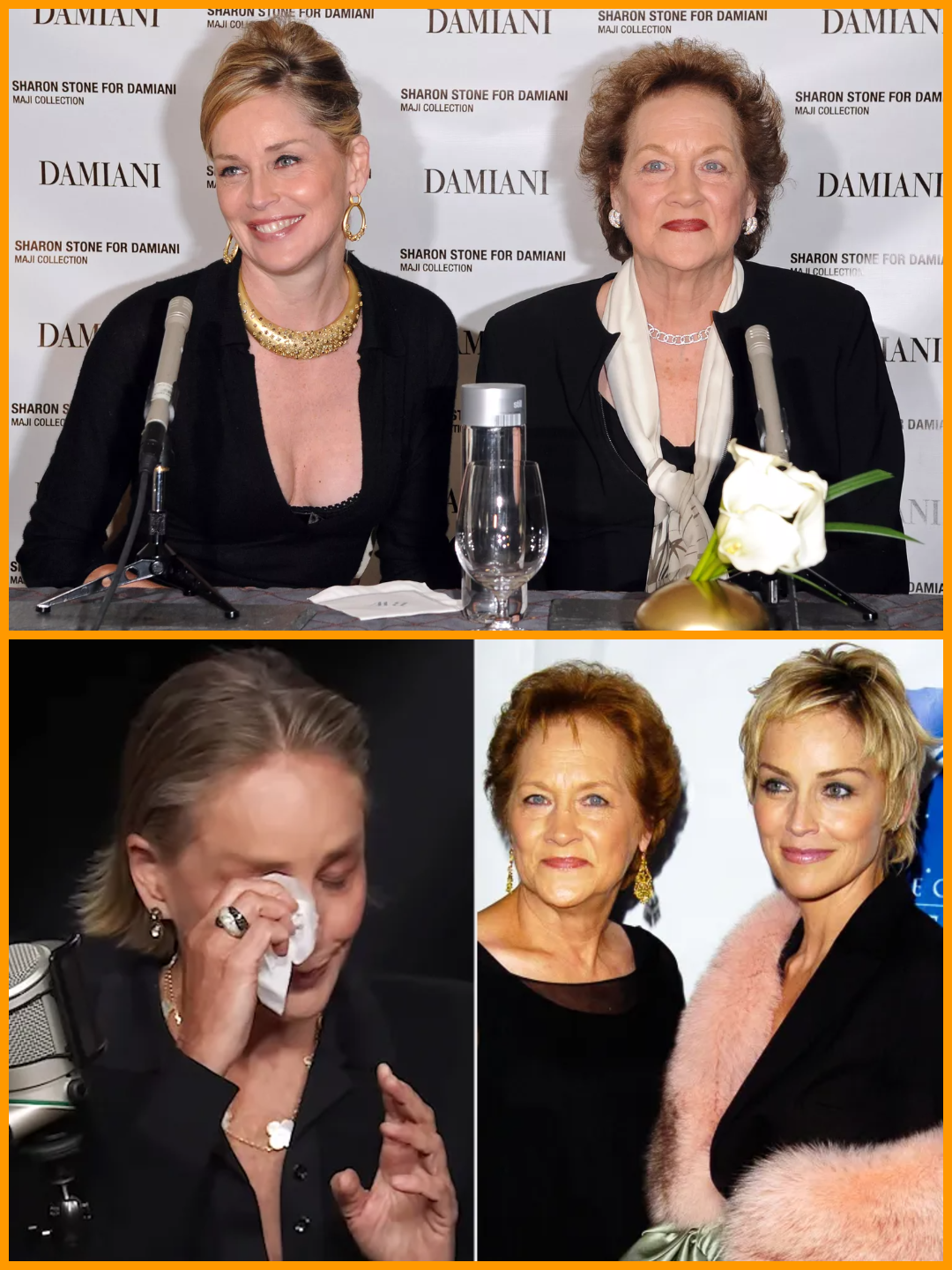
In the final hours of her mother’s life, Sharon Stone realized that staying close might be the very thing preventing her from letting go.
Dorothy Stone was dying at her daughter’s home, frightened of what she believed might be waiting for her after death. Sharon had been caring for her, moving in and out of the room as doctors worked to keep her comfortable.
But as the hours passed, Stone came to a devastating conclusion.
Her mother was still holding on.
And Stone began to believe that if Dorothy was going to die peacefully, she would have to stop entering the room.
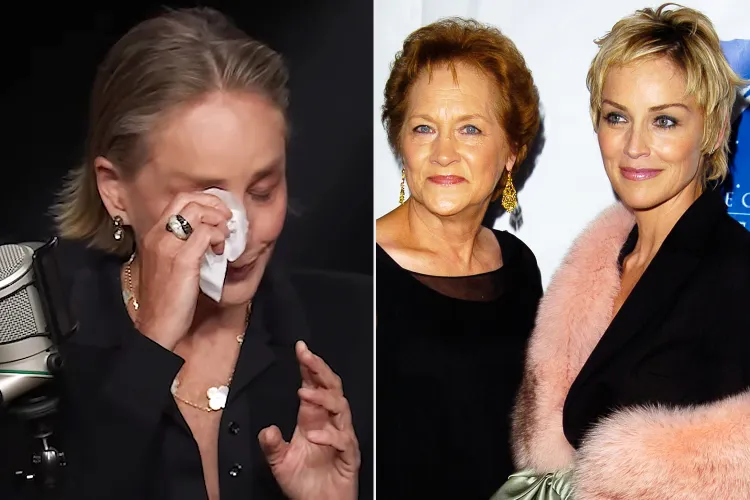
The realization left the 68-year-old actress in tears as she later described the experience on Anderson Cooper’s All There Is podcast.
“I need to detach and release,” Stone remembered thinking.
It was an act that looked, from the outside, like withdrawal.
To Stone, it became one of the hardest forms of love she had ever been asked to give.
Her Mother Was Terrified to Die
Dorothy died in July 2025 at age 91, nearly four years after suffering an acute stroke.
During her final hours, however, Stone said her mother was not simply struggling physically.
She was afraid.
According to Stone, Dorothy’s fear was rooted in a deeply traumatic childhood.
Her mother had endured severe abuse as a child and had been removed from her home at age 9.
Those memories remained powerful even at the end of her life.
Stone said Dorothy became frightened that her own parents might somehow be waiting for her after death.
Wanting to calm her, Stone told her mother something she believed would make her feel safer: that her father was in jail and her mother was in a mental hospital, so neither would be there.
The reassurance did not immediately allow Dorothy to relax.
Stone recalled that her mother continued fighting to stay alive even as doctors adjusted her morphine to keep her comfortable.
Hours passed.
Eventually, Stone began to understand the situation differently.
Perhaps Dorothy was not only afraid of dying.
Perhaps she was also holding on because her daughter was still there.
Stone Realized She Had to Walk Away
For someone caring for a dying parent, instinct can make leaving feel impossible.
Stone wanted to remain near her mother.
Yet she came to believe that the loving choice was to create distance.
She went upstairs and stopped returning to the room.
Stone described it as having to “ignore” her mother so Dorothy could finally die.
The language still clearly hurt her when she spoke about it months later.
She was not abandoning Dorothy.
She was trying to give her permission to stop fighting.
That distinction did not make the decision easy.
Stone said she had to emotionally release her mother before Dorothy could release herself.
But there was another reason the moment was so painful.
Stone had spent much of her life waiting to hear certain words from her mother.
As death approached, she understood they were never going to come.
She Was Still Waiting for Four Simple Things
Stone became emotional as she explained what she had always wanted Dorothy to tell her.
She wanted to hear that her mother loved her.
That she was proud of her.
That Sharon mattered.
And that Dorothy was sorry.
Stone realized during those final hours that she could continue waiting for those words and keep both of them emotionally suspended, or she could accept that her mother was not capable of giving them.
She chose acceptance.
“I wasn’t going to get them,” Stone said of the words she had longed for.
For the actress, that became part of letting her mother die peacefully.
She was not only releasing Dorothy physically.
She was releasing the hope that one last conversation might repair everything that had been missing between them.
That realization turned her mother’s death into something more complicated than straightforward grief.
It became a reckoning with a relationship that had contained love, distance, toughness and pain all at once.
Their Relationship Had Always Been Complicated
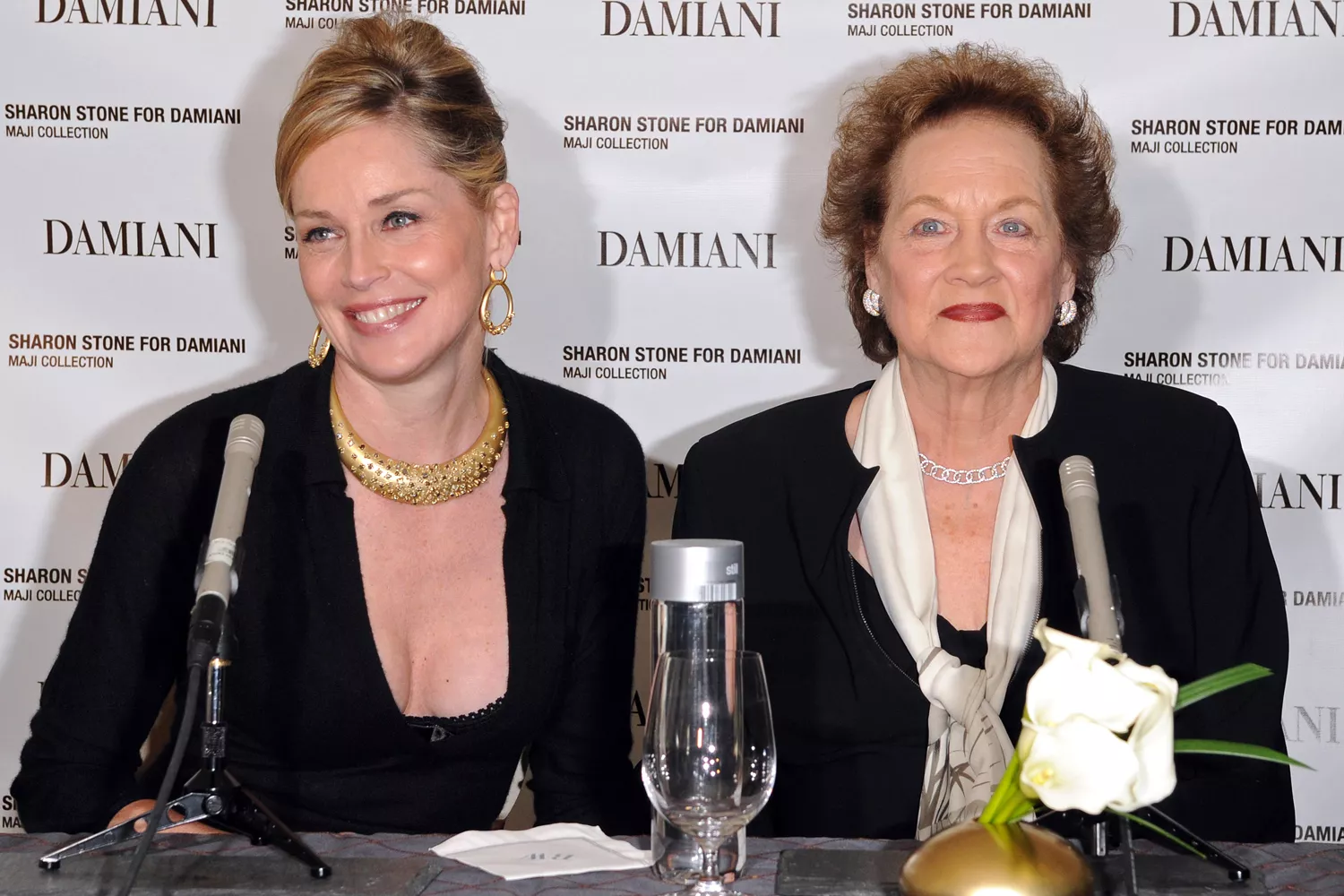
Stone has never portrayed Dorothy as a conventionally warm parent.
On the podcast, she admitted that her mother often behaved as though she did not like her.
But Stone also connected that behavior to Dorothy’s own childhood trauma.
Her mother had survived experiences that shaped the way she understood closeness, vulnerability and parenting.
Stone said she came to recognize that the person someone treats most harshly can sometimes be the person to whom they feel most attached — the person they trust enough to absorb emotions they cannot direct elsewhere.
It did not erase the hurt.
But it gave Stone a way to understand it.
Years earlier, she had offered another example of Dorothy’s hard-edged approach to parenting.
During a 2021 career retrospective, Stone remembered once asking her mother why she never allowed her daughter to lean on her.
Dorothy’s response was blunt: she had taught Sharon to stand on her own two feet.
That philosophy became part of Stone’s upbringing.
Strength was expected.
Dependence was discouraged.
And tenderness was not always expressed in the way Stone wanted.
Dorothy’s Toughness Had Another Side
Stone’s memories of her mother were not entirely painful.
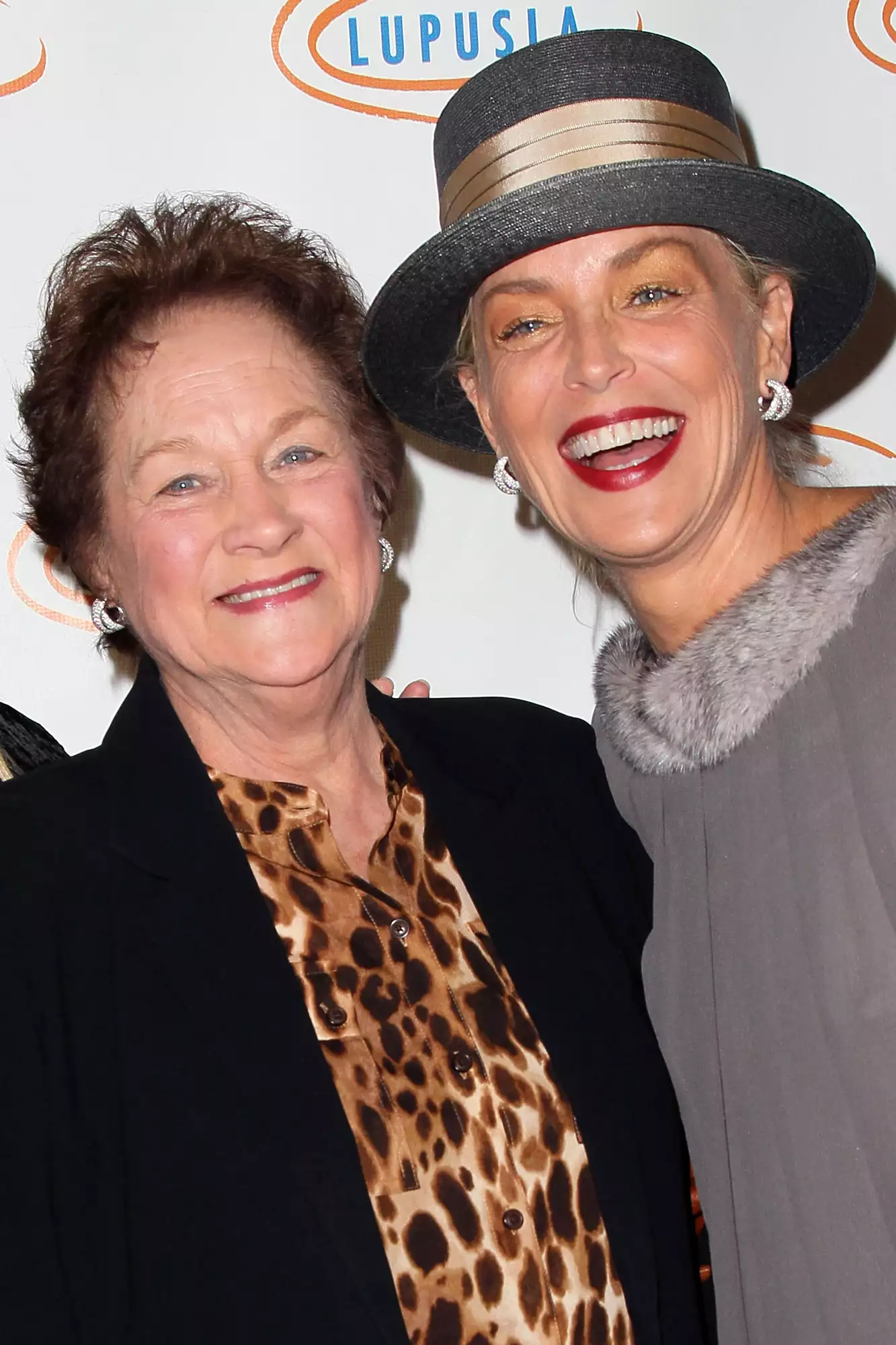
When she announced Dorothy’s death in July 2025, she paired the news with a photograph of the two women laughing together.
She called her mother “hilarious” and “complex.”
Both words mattered.
They suggested a relationship that could not be reduced to resentment or affection alone.
Stone had also publicly celebrated Dorothy during the years before her death.
After revealing in November 2021 that her mother had suffered an acute stroke, she continued sharing occasional glimpses of her recovery and life.
In 2023, Stone posted a photograph of Dorothy looking healthy and smiling, proudly noting that her mother had been born in 1933 and was still “looking gorgeous.”
Those affectionate moments existed beside the harder memories.
That complexity is part of what made Dorothy’s final hours so emotionally demanding.
Stone loved her mother.
She also carried wounds created within that relationship.
And as Dorothy was dying, there was no longer time to pretend one side canceled out the other.
Letting Go Without Getting Closure
People often imagine a deathbed conversation as a moment when everything unresolved finally gets repaired.
Stone’s experience was almost the opposite.
There was no final apology that erased years of pain.
No sudden declaration that provided the validation she had wanted since childhood.
Instead, Stone had to accept the absence of those words.
That acceptance became her form of closure.
She recognized that demanding something more from her mother in those final hours would not change the past.
It might only make letting go harder.
So she stopped waiting.
And then she stepped away.
The decision still brought tears when she talked about it, but Stone described it as necessary for Dorothy to find peace.
A Different Kind of Goodbye
Stone’s memories of her mother’s death offer a complicated picture of what saying goodbye can look like.
Sometimes love means holding someone close.
For Stone, at the end, it meant doing the opposite.
She had to leave the room.
She had to stop hoping for words Dorothy had never been able to say.
And she had to accept that loving a parent does not always mean receiving the love in the form you needed.
Dorothy died after a life shaped by both trauma and fierce independence.
Her daughter was left with a relationship she could describe only in contradictions: difficult but meaningful, painful but loving, harsh but deeply attached.
Stone never received the final reassurance she had hoped for.
What she did receive was another understanding.
Her mother did not need one more conversation.
She needed permission to go.
And in the end, Stone decided that giving her that freedom mattered more than hearing the words she had waited a lifetime to hear.