Munich Security Conference 2026 Set to Open Amid Rising Global Uncertainty
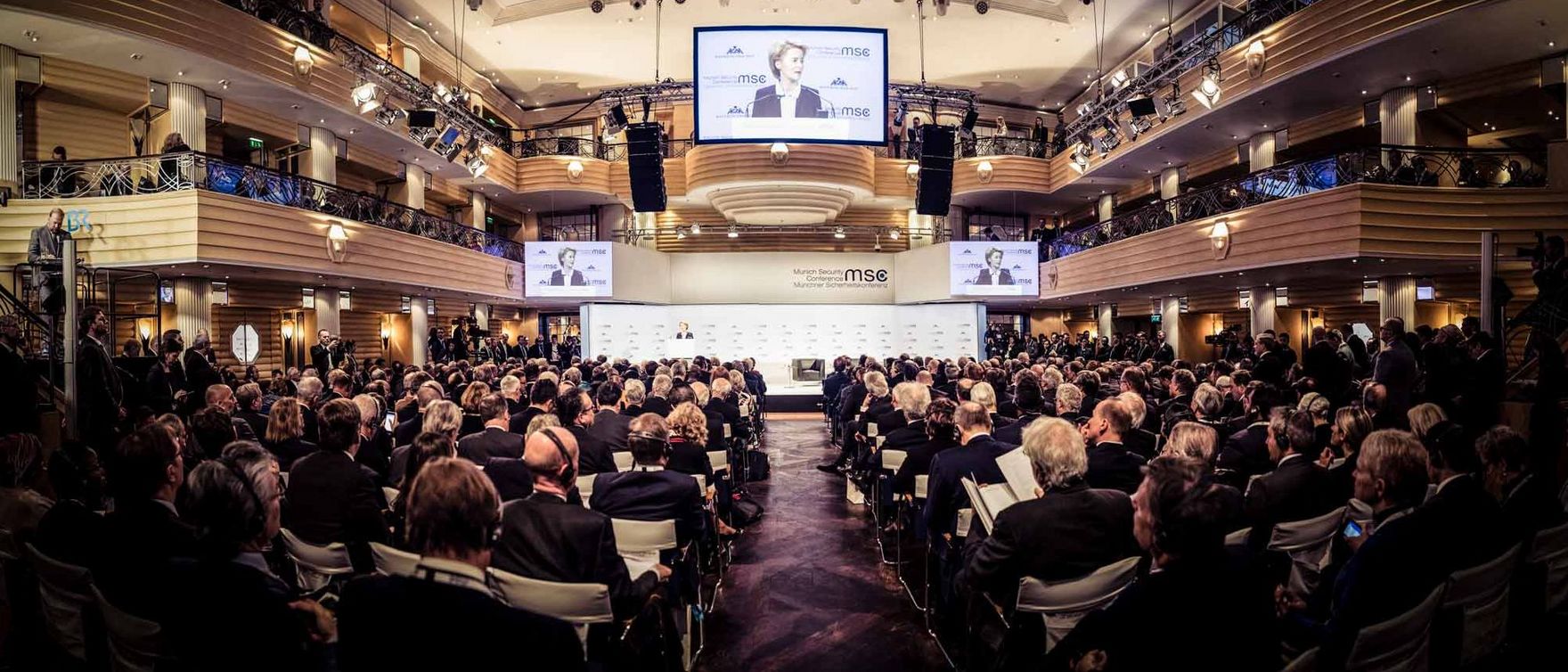
The 62nd Munich Security Conference (MSC) is set to officially open in Munich, Germany, from February 13 to February 15, 2026, bringing together top global leaders, policymakers, military officials, and security experts at a time of profound geopolitical tension and transformation. Widely regarded as one of the world’s most influential forums on international security, the conference is expected to play a crucial role in shaping dialogue on the most pressing global challenges of the current era.
This year’s conference takes place against a backdrop of escalating conflicts, shifting power dynamics, rapid technological advancements, and growing concerns over the stability of the global order. From ongoing regional wars and strategic rivalries between major powers to the increasing impact of artificial intelligence and cyber warfare, the agenda reflects a world grappling with uncertainty and complex security threats.
According to the organizers, the 2026 Munich Security Conference will focus on a broad range of issues, including global and regional conflicts, defense cooperation, emerging security technologies, climate-related risks, and the future of international governance. Special attention is expected to be given to the intersections between security and technology, particularly the role of artificial intelligence, autonomous weapons systems, and cyber capabilities in modern warfare.
Leaders from Europe, North America, Asia, the Middle East, and Africa are anticipated to attend, highlighting the conference’s role as a truly global platform. High-level discussions will aim to foster dialogue between allies and rivals alike, providing rare opportunities for informal diplomatic exchanges on the sidelines of official sessions.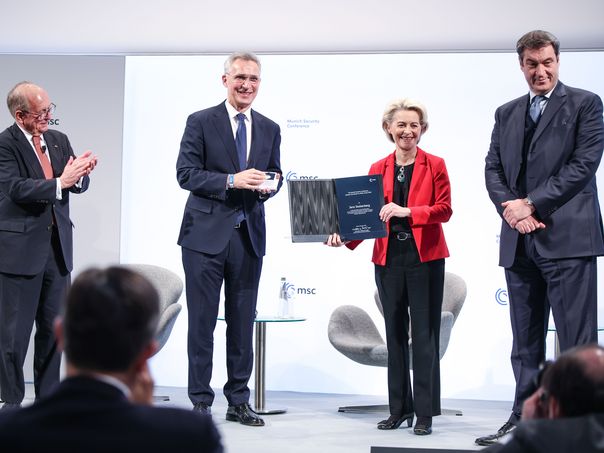
One of the central themes of the conference is expected to be the challenge of maintaining global stability in an increasingly multipolar world. With traditional security alliances under pressure and new centers of power emerging, participants will debate how international institutions can adapt to prevent conflict and promote cooperation. Questions surrounding NATO’s future role, European strategic autonomy, and burden-sharing among allies are likely to feature prominently.
In addition, the conference will address non-traditional security threats that are reshaping the global risk landscape. Climate change, pandemics, energy security, and economic fragmentation are no longer viewed as separate from national and international security but as core factors influencing global stability. Experts are expected to warn that failure to address these interconnected challenges could exacerbate existing tensions and fuel new crises.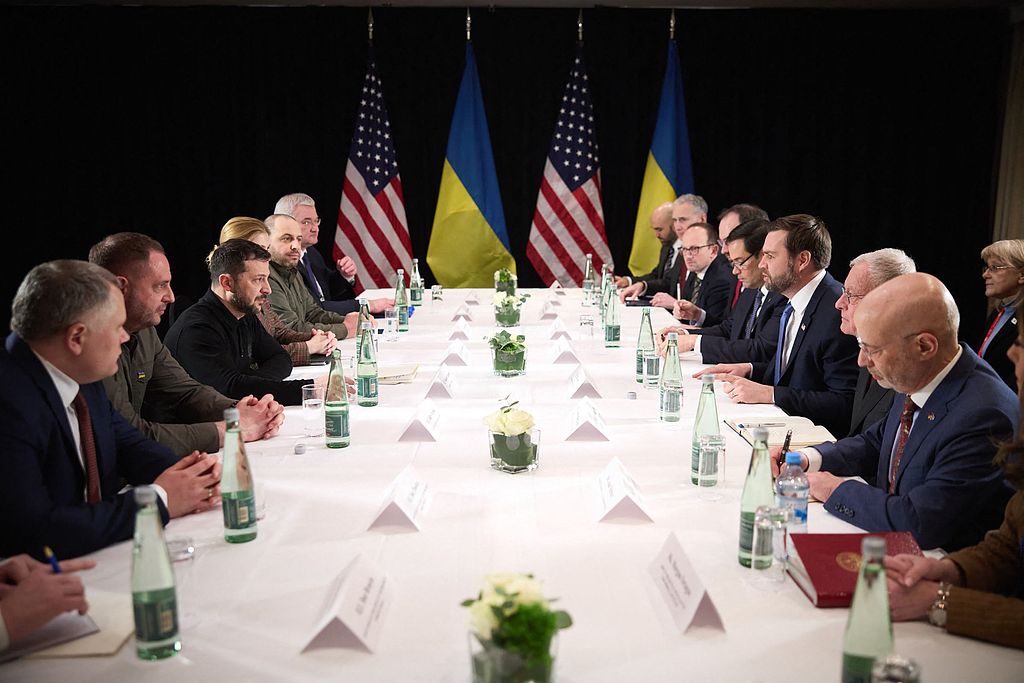
The Munich Security Conference has long been known not only for its formal speeches but also for its candid discussions and behind-the-scenes diplomacy. In past years, the event has served as a stage for significant policy announcements, strategic warnings, and, at times, stark disagreements between global powers. The 2026 edition is unlikely to be an exception, as leaders confront hard truths about the state of the world and the difficult choices ahead.
As the international community faces an era defined by uncertainty and rapid change, the 62nd Munich Security Conference is expected to underscore the urgent need for dialogue, cooperation, and collective action. Whether the discussions in Munich will translate into concrete policy shifts remains to be seen, but the conference will undoubtedly provide a critical snapshot of the global security landscape at a pivotal moment in history.