Elderly Lottery Winner Convicted After Using Jackpot to Fund Massive Drug Operation in England
An 80-year-old man who once celebrated a life-changing lottery win was later convicted in England after authorities revealed he had used his multimillion-dollar jackpot to finance a large-scale drug manufacturing operation.
According to court records cited by Yahoo News, the man won the lottery in 2010, receiving a payout estimated at approximately $3.28 million. Rather than using the money for personal comfort or retirement, prosecutors said he invested a significant portion of his winnings into building an industrial-scale counterfeit pill operation.
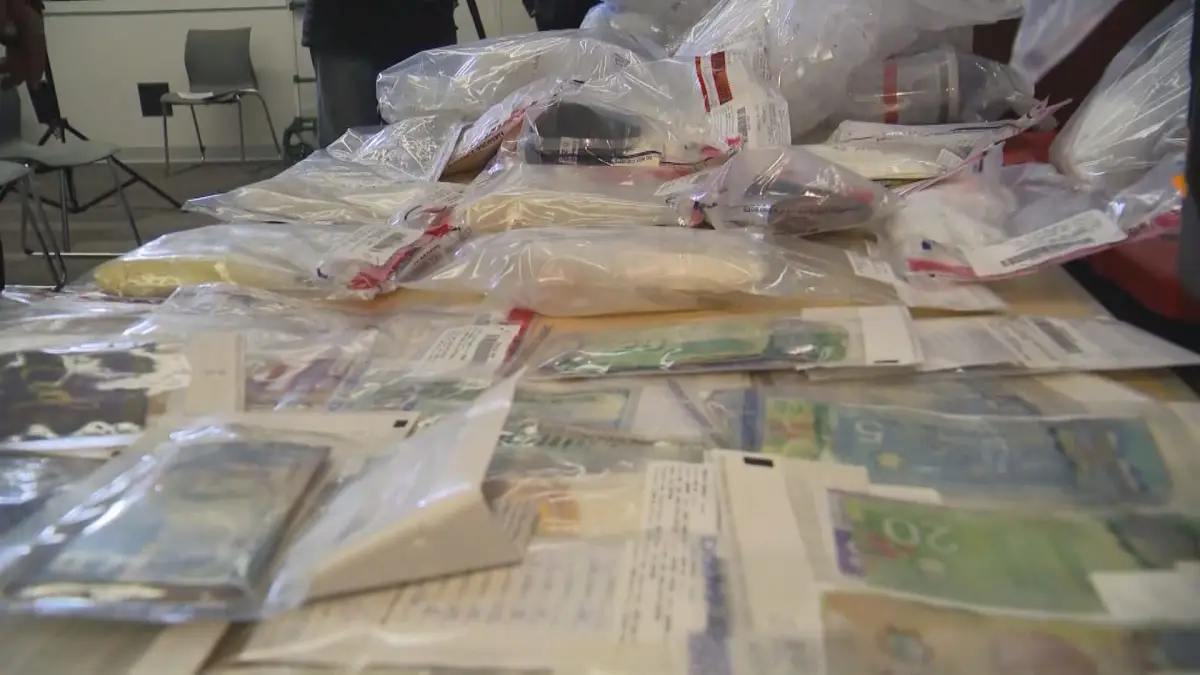
Investigators described the operation as highly sophisticated and capable of producing millions of counterfeit tablets. These pills were found to contain extremely dangerous substances, posing serious risks to public health. Authorities estimated that, if distributed on the street, the counterfeit drugs could have generated profits of up to $400 million.
The operation remained active for several years before being dismantled following a lengthy and complex investigation. Law enforcement agencies tracked financial flows, supply chains, and manufacturing facilities before making arrests. The elderly man was eventually taken into custody, along with his son and several other accomplices, all of whom faced serious criminal charges.
During the trial, prosecutors emphasized the scale and potential harm of the operation, arguing that it went far beyond small-scale drug distribution. The court heard that the lottery winnings provided the crucial financial foundation that allowed the network to expand rapidly and operate at an industrial level.
Police officials described the case as a stark reminder that illicit drug production can be funded through seemingly legitimate means. “This was not a spontaneous criminal act,” investigators noted. “It was a calculated operation, financed with substantial capital and designed to maximize profit at enormous risk to public safety.”
The man was ultimately convicted and sentenced, bringing an extraordinary fall from fortune to a legal conclusion. Once seen as a symbol of unexpected luck, he became an example of how sudden wealth, when misused, can lead to severe consequences.
While lottery wins are often associated with stories of generosity or financial mismanagement, this case stands out for its scale and severity. It underscores the reality that financial windfalls, without oversight or accountability, can be used to fuel serious criminal enterprises—leaving lasting damage far beyond the individuals involved.