Germany Made It Illegal to Kill Healthy Shelter Animals. The Result Is a Nation That Refuses to Give Up on Life.

In Germany, animal shelters operate under a principle that has quietly reshaped the country’s relationship with companion animals: killing a healthy animal is illegal.
Under Germany’s Animal Welfare Act (Tierschutzgesetz), animals are legally recognized as sentient beings, not disposable property. This law prohibits the euthanasia of healthy dogs and cats for reasons such as lack of space, low adoption demand, or cost. Euthanasia is permitted only in cases of severe illness, untreatable suffering, or significant danger—never convenience.
The result is a shelter system built not around turnover, but around commitment.
Because shelters cannot rely on euthanasia as a management tool, Germany has invested heavily in prevention. Strict breeding regulations, mandatory spay-and-neuter programs, pet registration, and microchipping have dramatically reduced the number of unwanted animals entering shelters in the first place. Backyard breeding is tightly controlled, and impulse pet ownership is actively discouraged through education and regulation.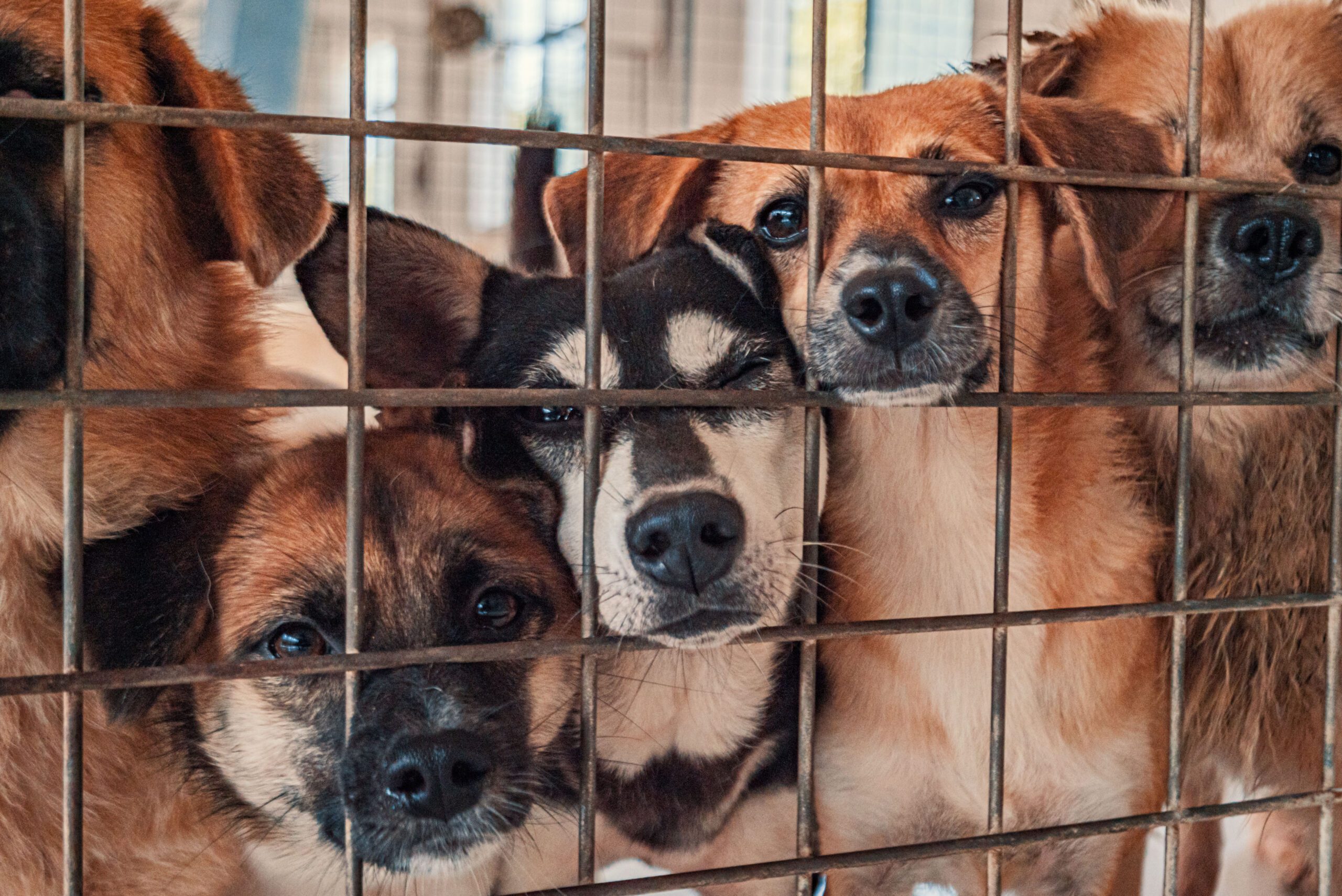
Inside shelters, the focus shifts to rehabilitation rather than removal. Animals with behavioral challenges receive training. Those with medical needs are treated. Senior animals and long-term residents are supported for as long as necessary—sometimes for years. Adoption may take longer, but abandonment is not considered an acceptable outcome.
This approach requires resources, patience, and a societal agreement that every life has value. Shelters work closely with volunteers, foster families, and local communities to ensure animals are not warehoused but cared for with dignity. Many Germans also choose adoption over purchasing pets, reinforcing the system from the demand side.
Critics once argued that such laws would overwhelm shelters or create unsustainable costs. Instead, Germany has seen lower euthanasia rates, fewer strays, and higher standards of animal care compared to many countries that still permit the killing of healthy shelter animals.
Perhaps the most profound impact is cultural. When the law removes “giving up” as an option, people adapt. Responsibility becomes the default. Compassion becomes policy.
Germany’s model does not suggest that animal welfare is easy or inexpensive. It suggests something more challenging—and more powerful: that when a society decides no healthy life is expendable, it finds ways to make that belief work.
In a world where shelters often face impossible choices, Germany offers a different answer—one rooted in the simple idea that every life is worth the effort.