WHEN NANCY GUTHRIE WAS FOUND CRITICALLY INJURED, NOTHING ADDED UP 🧩🚨
- MinhKhue
- February 10, 2026
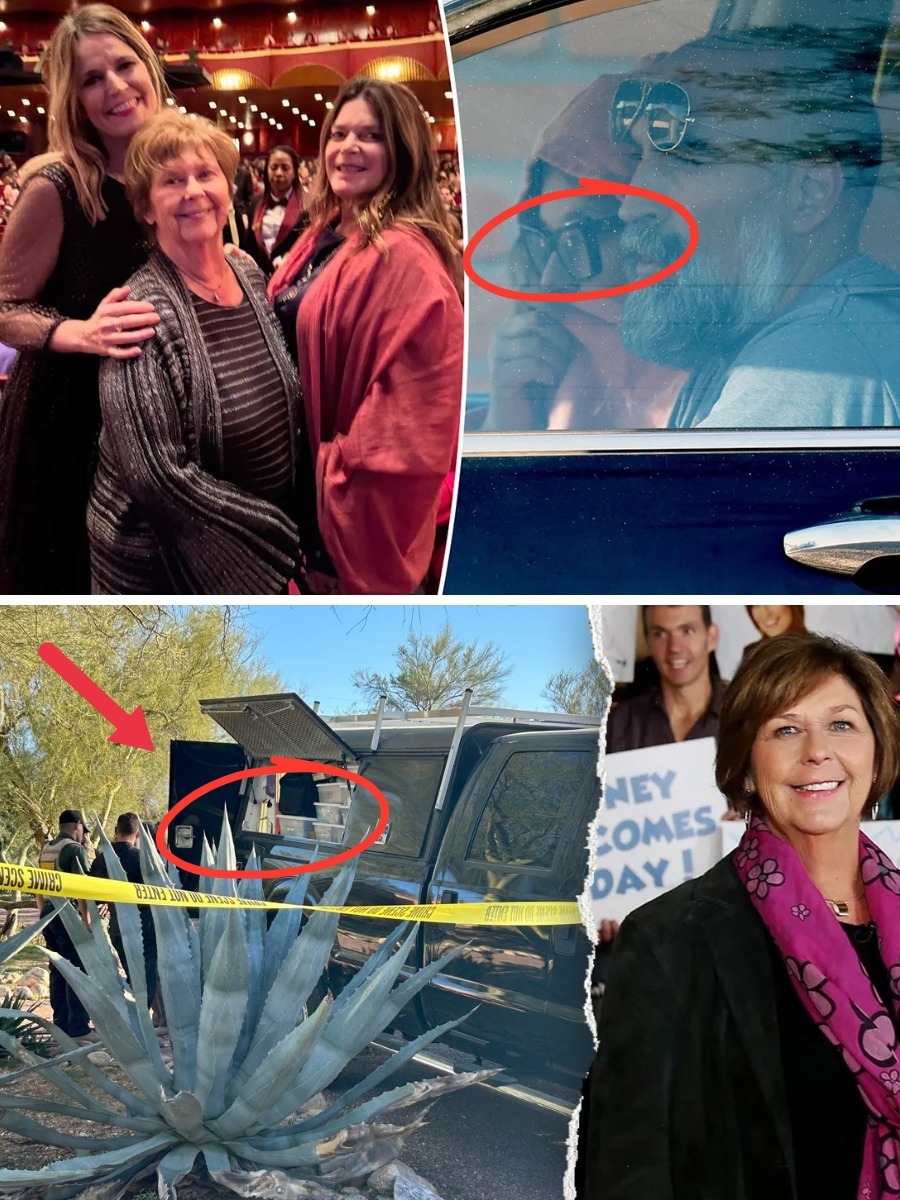
When Nancy Guthrie was discovered in critical condition 🏥, first responders believed they were stepping into a grim but straightforward situation. The scene appeared urgent, chaotic, and tragic — the kind investigators think they’ve seen before.
 But then the details started to whisper that something wasn’t right.
As forensic analysts began their work 🔍⚠️, they noticed rare and deeply unsettling indicators — subtle clues that don’t often appear together. Marks that didn’t match the environment. Timelines that didn’t align. Physical evidence that told conflicting stories 🤯📂. Each finding raised eyebrows, then doubts, then serious concern.

What initially looked like a clear sequence of events began to fracture.
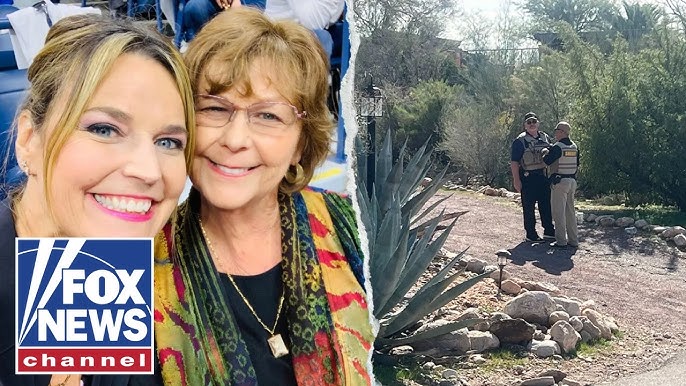
Unexpected evidence surfaced 🧠❗ — the kind that forces investigators to pause, step back, and question every early assumption. Procedures were re-examined. Theories were discarded. What was once treated as routine suddenly demanded a complete rethink 🔄⚖️.
Sources close to the investigation described a shift in tone: urgency turned into intensity. The case was no longer about what happened, but how much had been missed at first glance. Every detail, no matter how small, took on new weight.
In moments like these, investigators are reminded of a hard truth: the most important clues are often the quietest ones. And when something doesn’t fit, it’s usually trying to say something.
As the case unfolded, one thing became clear — this was not the story it first appeared to be.
And whatever the truth is, it lies hidden in the details that refused to stay silent 🧩🕯️