U.S. AND RUSSIA AGREE TO REESTABLISH HIGH-LEVEL MILITARY DIALOGUE 🇺🇸🤝🇷🇺
- MinhKhue
- February 11, 2026
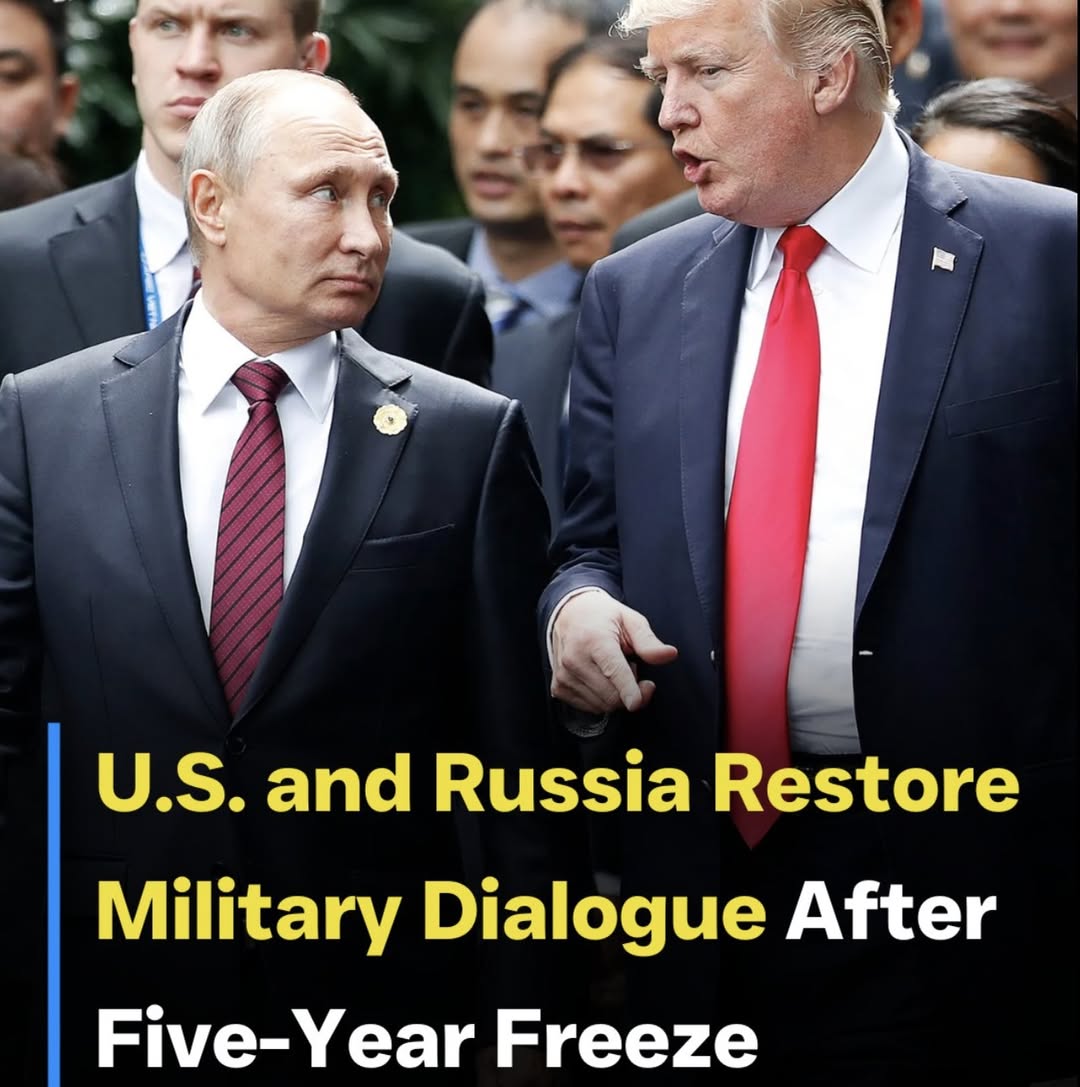
In a notable development aimed at reducing tensions, the United States and Russia have agreed to restore high-level military-to-military communication, U.S. European Command announced Thursday. The decision comes after a series of talks in Abu Dhabi and marks a significant diplomatic step amid prolonged geopolitical strain.
 The agreement restores direct military communication channels that were suspended in 2021, just prior to Russia’s full-scale invasion of Ukraine 📞⚠️. For years, the absence of this direct line has complicated efforts to prevent misunderstandings, manage military activities, and respond quickly to emergent risks on the ground.
Officials from both sides — including representatives from NATO, Russia, and Ukraine — emphasized that the reestablished channel is not a political endorsement but a practical mechanism to reduce the risk of miscalculation and improve transparency. According to the announcement, this dialogue could help de-escalate potential flashpoints, clarify intentions, and support broader efforts toward stability and peace 🕊️.
The agreement followed high-level meetings involving Gen. Alexus Grynkewich, NATO’s top commander in Europe, along with senior military officials from Russia and Ukraine 🏛️🎖️. These talks underscored shared interest in maintaining open lines of communication, even amid deep disagreements — a recognition that in tense times, miscommunication can be as dangerous as conflict itself.
While observers describe the move as cautious and pragmatic, many also see it as a significant step in managing one of the world’s most challenging strategic relationships. It does not alter underlying tensions or resolve core disputes, but it does reintroduce a direct forum for dialogue at a time when stable communication is critically needed 🌍✨.
In an era marked by geopolitical uncertainty, restoring this channel suggests that both sides are willing to engage on operational risk and safety, even if broader political differences remain unresolved.