France Set to Clash With Germany and Italy as EU Leaders Seek Economic Boost
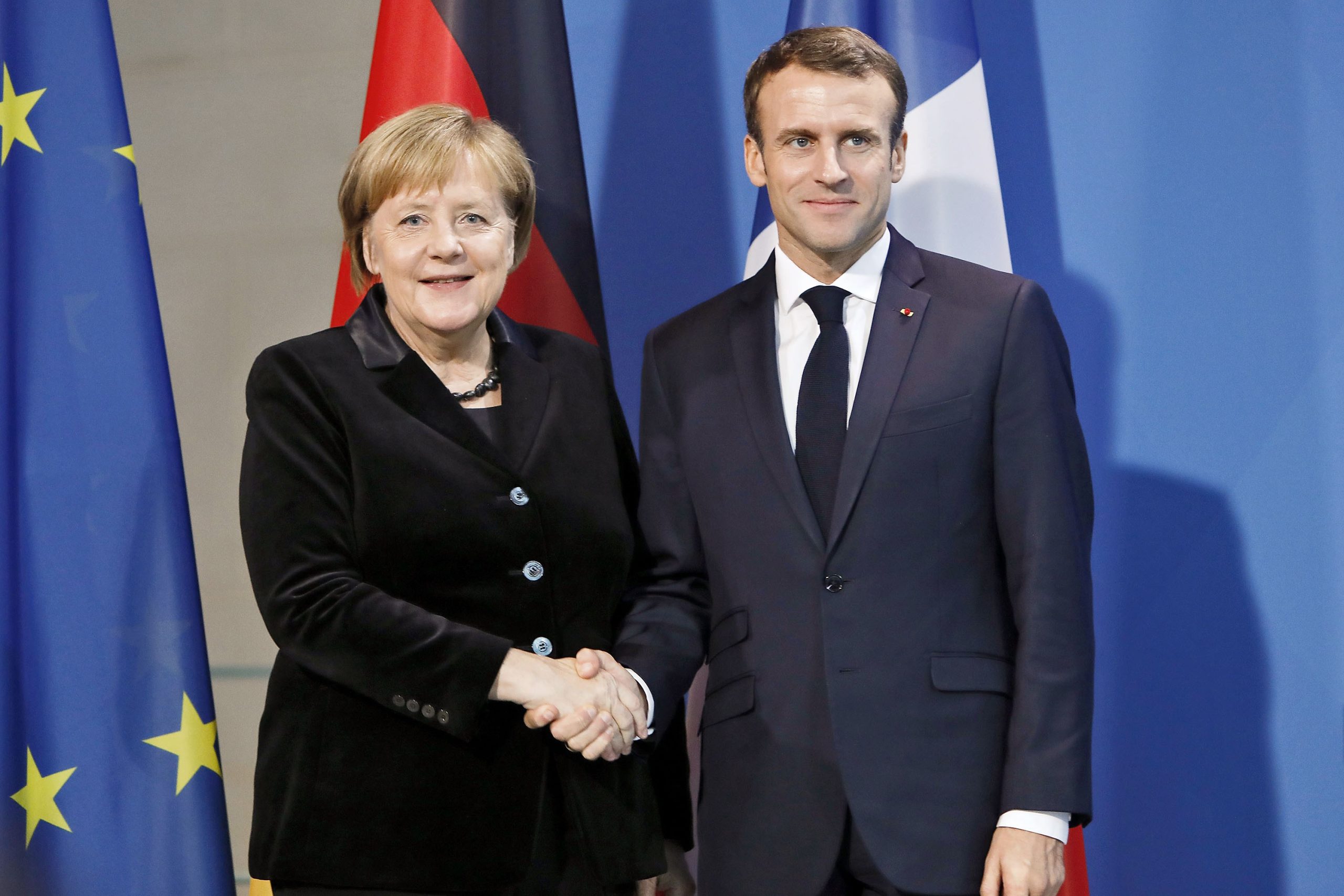
As leaders of the European Union’s largest economies prepare to meet, France, Germany, and Italy are poised to highlight differing visions for how the bloc should stimulate economic growth and strengthen competitiveness in a challenging global environment.
French President Emmanuel Macron has been pushing for measures that include common EU borrowing — often referred to as eurobonds — to finance strategic investments in areas such as technology, defence, and clean energy. Macron argues that pooled debt would help Europe compete with the United States and China and address structural weaknesses in investment and productivity. 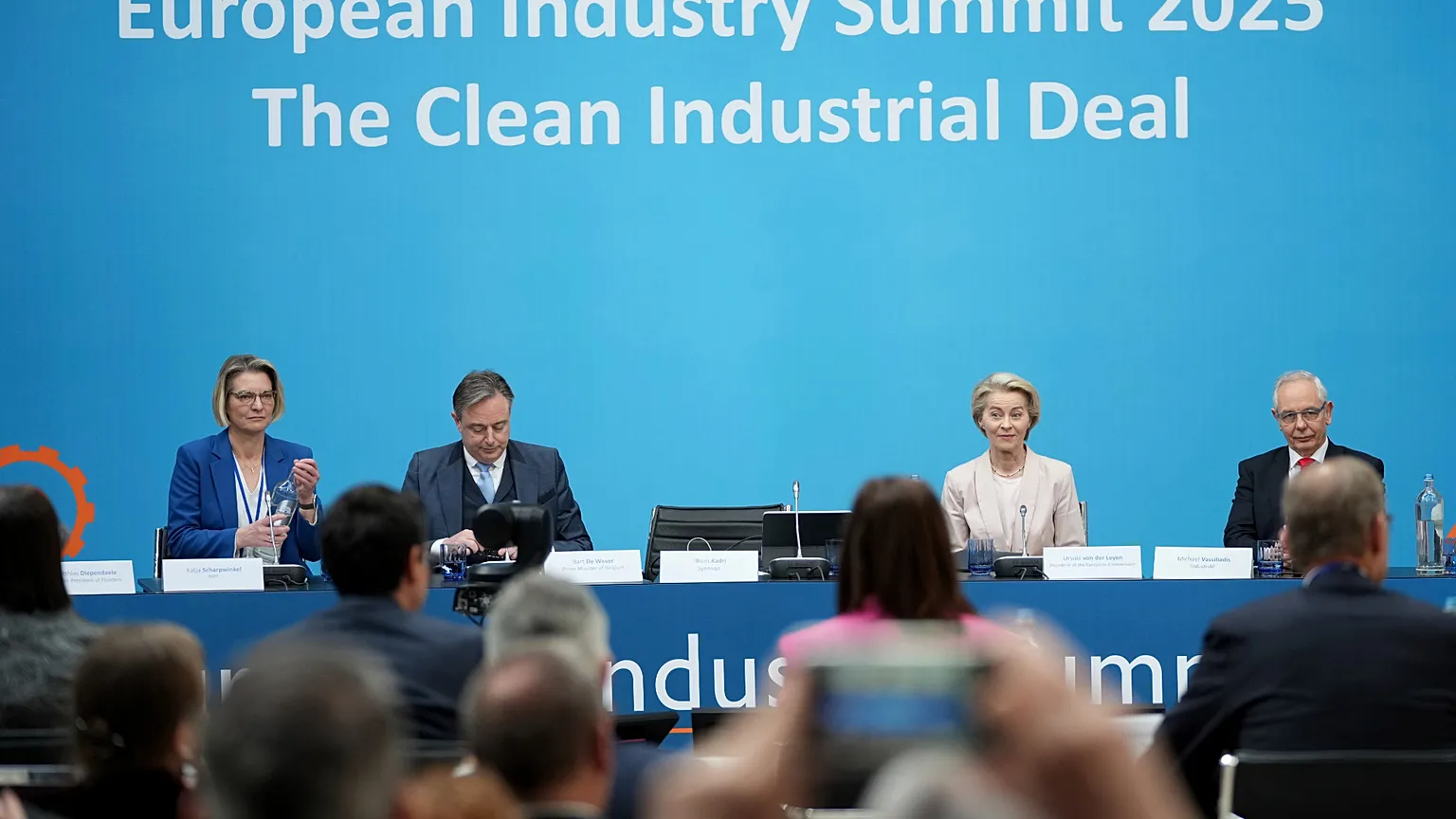
In contrast, Germany and Italy have coordinated on an agenda that avoids joint borrowing but emphasizes deregulation, market reforms, and enhanced venture-capital financing to stimulate private sector growth. Documents circulated by Berlin and Rome ahead of the informal summit propose measures like creating a pan-European stock exchange and reviewing capital requirements to support lending without undermining financial stability. 
The proposals reflect broader debates within the EU on how best to revive economic momentum amid slow growth and competition from global powers. Macron has also championed policies such as a “Made in Europe” approach to public procurement, aimed at supporting home-grown industries. However, some member states have warned that such measures could complicate trade with external partners and increase regulatory burdens.
European Commission President Ursula von der Leyen has framed the discussions as part of a wider push to simplify EU regulation and deepen the single market, with an emphasis on enhancing the bloc’s global competitiveness. She has also suggested that flexibility in cooperation — for example through smaller groups of countries acting where consensus among all 27 is not possible — may be necessary to drive progress. 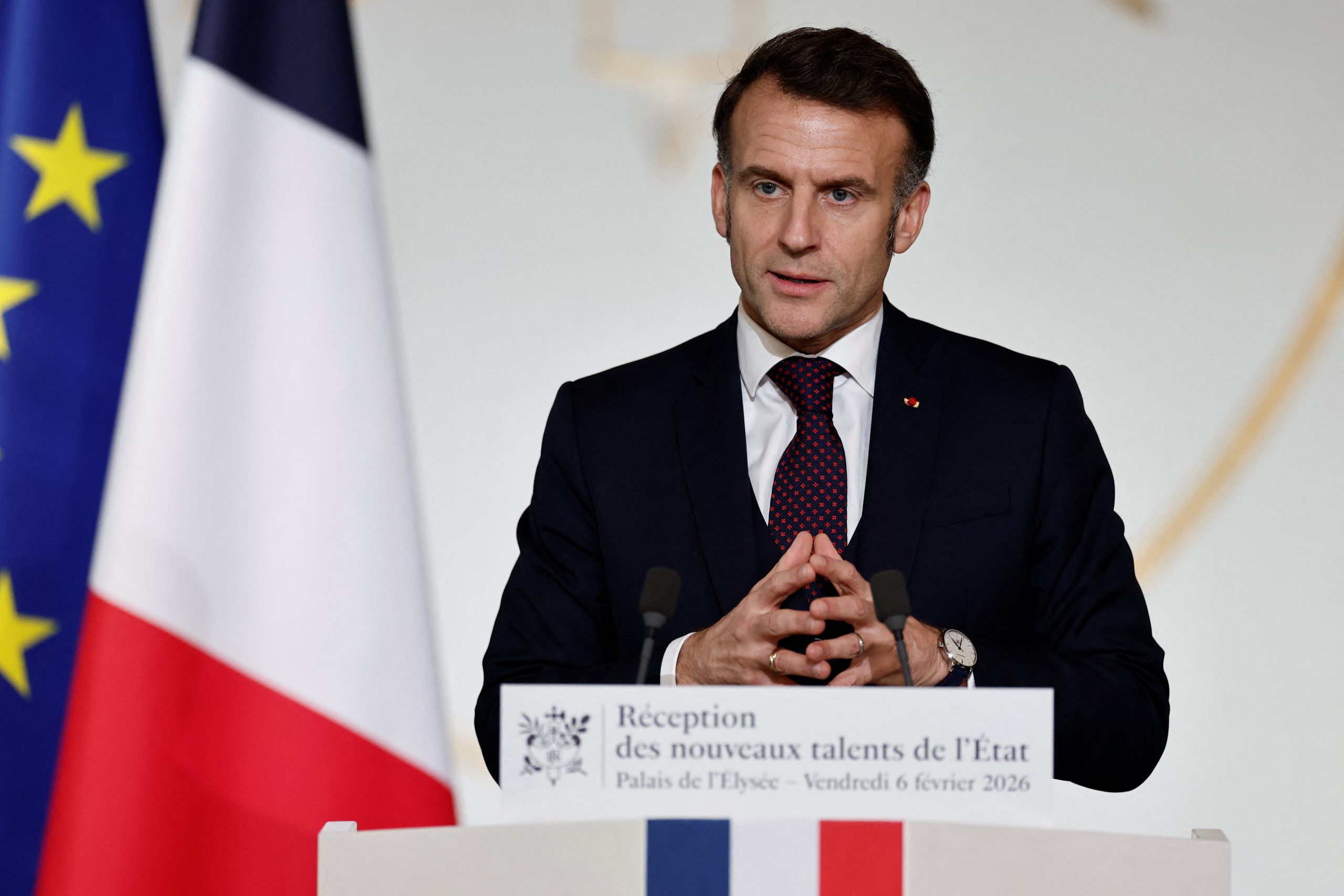
While all parties agree on the need to strengthen the EU’s economy, the differing approaches underscore the tensions and negotiations that are likely to unfold among EU leaders as they seek a shared path forward.