Harvard Agrees to Pay $53 Million Over Stolen and Illegally Sold Donated Human Remains
- QuocKhanh
- August 22, 2026
Harvard Agrees to Pay $53 Million Over Stolen and Illegally Sold Donated Human Remains
BOSTON — Harvard University has agreed to pay $53 million to settle lawsuits brought by families whose loved ones donated their bodies to Harvard Medical School, only for parts of those remains to be stolen and sold on the black market.
The settlement stems from a shocking scandal involving former Harvard Medical School morgue manager Cedric Lodge, who was accused of taking human remains from donated cadavers and selling them without the knowledge or consent of the university, donors or their families.
A Betrayal of Donors’ Trust
The bodies had been donated to Harvard for medical education and research.
Instead, prosecutors said Lodge exploited his position to remove body parts and transport them to his home in New Hampshire, where they were sold to buyers in several states.
The remains included parts such as brains, skin, hands, faces and heads. Some purchasers allegedly resold what they obtained for profit.
Lodge pleaded guilty to trafficking in stolen human remains and was sentenced to eight years in federal prison in December 2025. His wife, Denise Lodge, was also sentenced to prison for her involvement.
Families Accused Harvard of Failing to Protect Their Loved Ones
The families who filed the lawsuits argued that Harvard had failed in its responsibility to protect the remains entrusted to its medical school.
The civil cases accused the university of negligence and argued that stronger oversight could have prevented the scheme from continuing for years.
A Massachusetts court ultimately allowed the claims against Harvard to proceed, paving the way for the settlement.
The university has not admitted that it knowingly participated in the trafficking scheme.
Instead, Harvard has condemned Lodge’s actions and acknowledged the profound harm suffered by donor families.
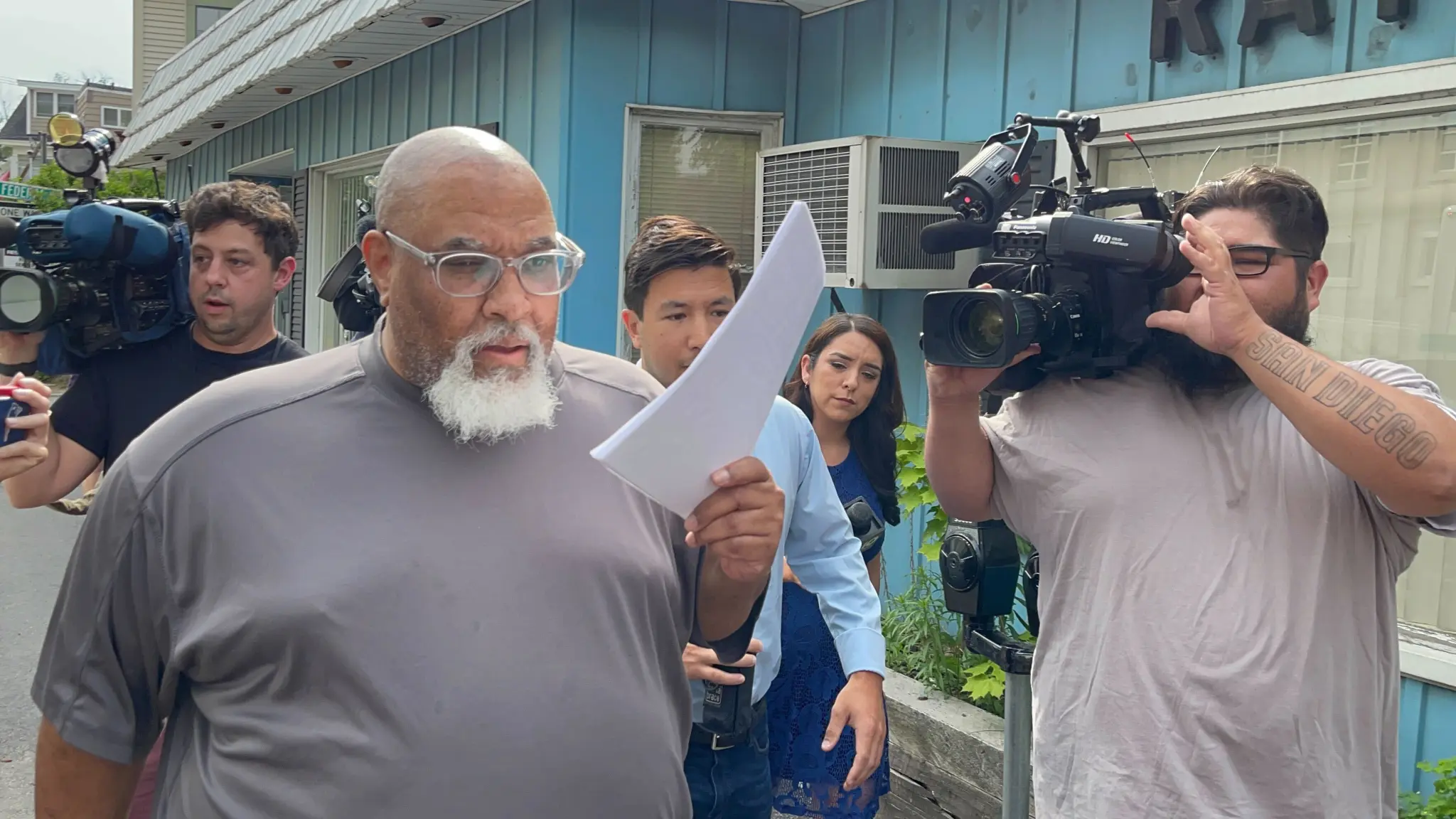
$53 Million Settlement
The proposed settlement will create funds to compensate eligible families affected by the scandal.
A judge has granted preliminary approval, with final approval still required before the settlement can be completed.
Harvard officials said the agreement is intended to resolve the litigation while recognizing the seriousness of what happened.
The university will also make a formal statement to affected families condemning Lodge’s conduct and explaining changes made to its Anatomical Gift Program.
Harvard Promises Major Reforms
In addition to the financial settlement, Harvard Medical School plans to establish an annual scholarship for medical students beginning in the 2027–28 academic year.
The scholarship is intended to honor people who voluntarily donate their bodies to medical education and research.
Harvard has also reviewed its procedures for handling donated remains and introduced additional safeguards following the scandal.
The university says the measures are designed to restore confidence in its anatomical donation program.
A Deeply Personal Loss for Families
For families who agreed to donate their loved ones’ bodies, the discovery that remains had been stolen and sold was particularly devastating.
Body donation is generally viewed as a final act of generosity — an opportunity for someone to contribute to medical education even after death.
The families involved say that trust was violated in an extraordinary way.
The $53 million settlement cannot undo what happened, but it represents an attempt to compensate those affected and acknowledge the seriousness of the betrayal.
Harvard officials have described the crimes as deeply inconsistent with the institution’s values and expressed their sorrow to the families.
The case has also become a powerful reminder of the responsibility medical institutions carry when people entrust them with something as personal and sacred as their remains.