Strangers Raise More Than $92,000 to Help 25-Year-Old Gamer Survive Long Enough to Play GTA VI
Strangers Raise More Than $92,000 to Help 25-Year-Old Gamer Survive Long Enough to Play GTA VI
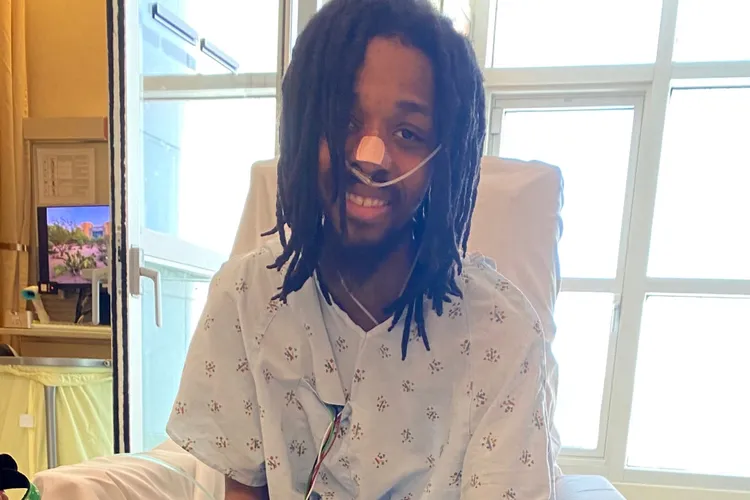
UNITED STATES — What began as one heartbreaking TikTok video has turned into an extraordinary act of generosity, as thousands of strangers donated more than $92,000 to help a 25-year-old gamer awaiting a life-saving lung transplant.
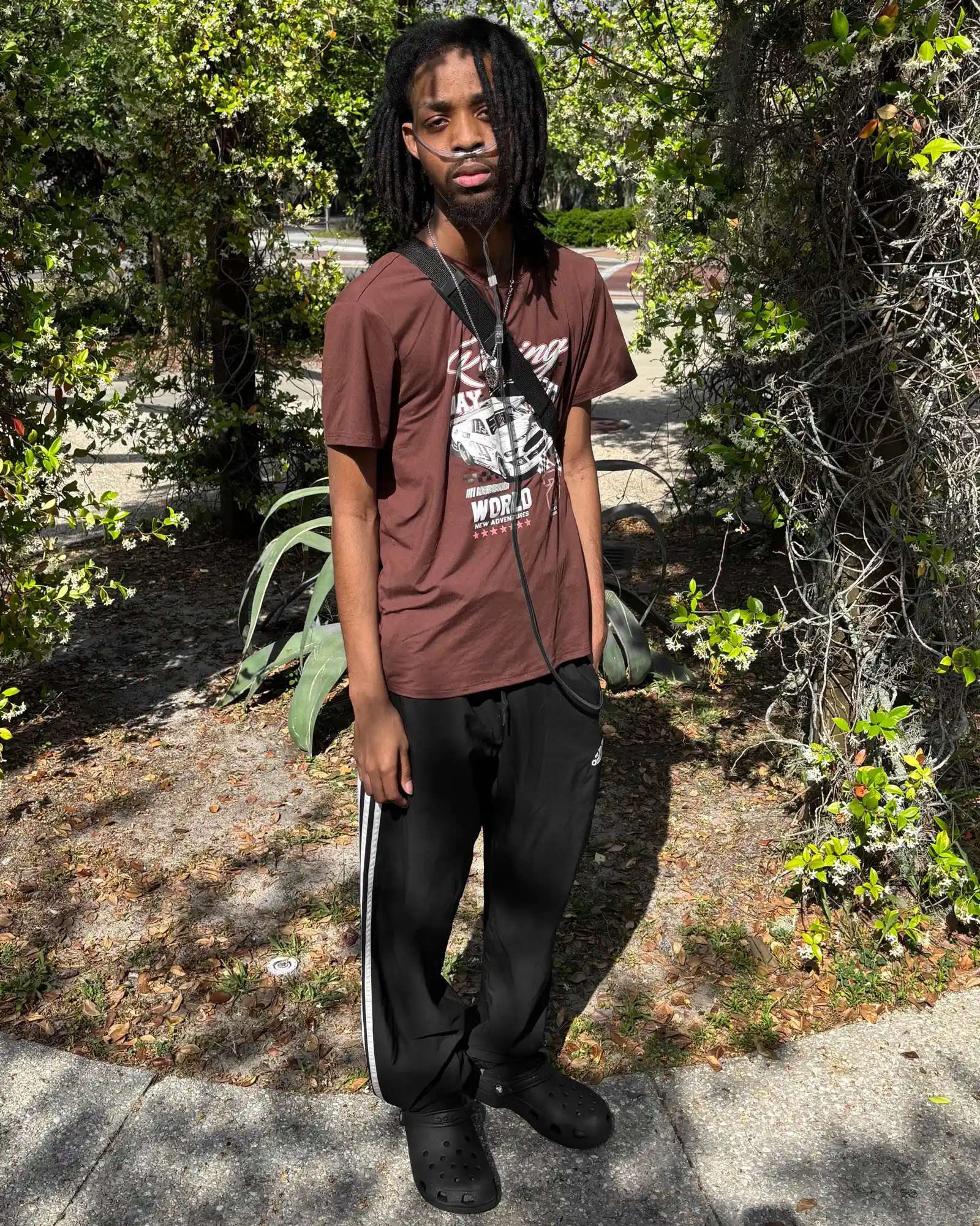
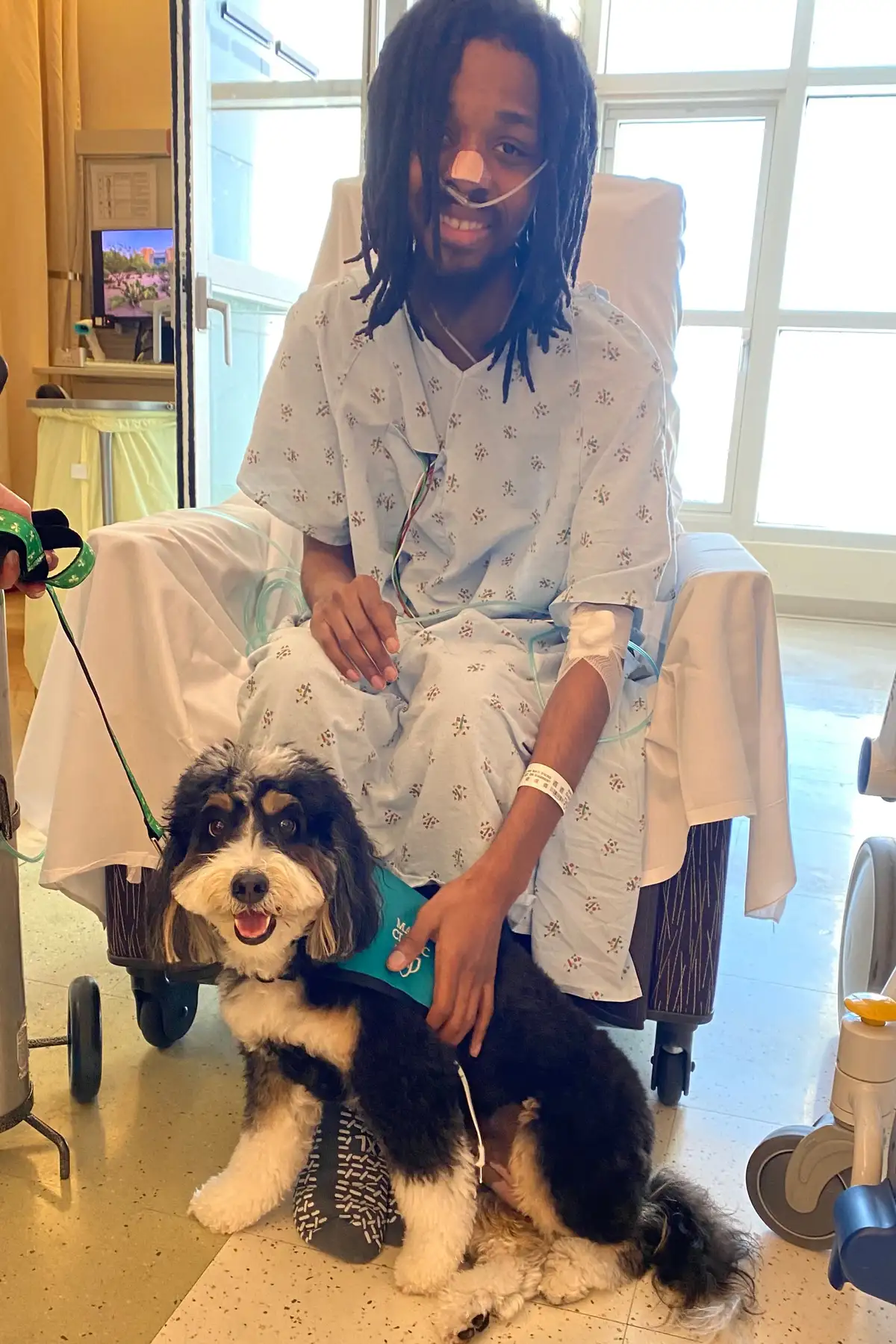
Jerry, known online as Void Only, has spent years sharing gaming, music and creative content with his followers. Now, he is fighting for his life in an intensive care unit while holding onto one simple dream: living long enough to play Grand Theft Auto VI.
“I Just Want to Play GTA VI”
In a viral TikTok filmed from his hospital bed, Jerry appeared wearing an oxygen tube as he explained that his lungs could no longer function on their own.
“I’m at the end of my ropes,” he told viewers. “My lungs can’t do it anymore.”
The video included a short caption that resonated with millions of gamers: “I just want to play GTA VI.”
The emotional message quickly spread across social media, reaching far beyond his usual audience and drawing support from people who had never met him.
Living With Lung Disease Since Age 17
According to a GoFundMe organized by his parent, Paris, Jerry has lived with interstitial lung disease since he was 17 years old.
The progressive condition has severely damaged his lungs, leaving a transplant as his best chance for survival. Paris explained that the family will need to relocate for Jerry’s treatment and that they expect to be away from work for six to twelve months during his recovery.
The fundraiser originally sought $15,000 to help cover relocation, medical and recovery expenses.
Instead, strangers gave more than six times that amount.
Overwhelmed by Kindness
After learning how much support had poured in, Jerry returned to TikTok in tears.
“I did not expect that much love,” he said emotionally. “So many good-hearted people.”
Messages of encouragement flooded his account, with fellow gamers promising they would be waiting to join his first livestream after surgery.
The fundraiser surpassed $92,000, providing significant financial relief as Jerry prepares for one of the most complex operations of his life.
A Difficult Surgery, But Hope Remains
Jerry has explained that doctors consider his transplant especially challenging because his lungs are attached to his chest wall, making the procedure more complicated than a typical lung transplant.
Despite the risks, he says his medical team believes he has a real chance of surviving the operation.
“I have hope,” Jerry told followers.
That hope has become contagious.
A Community Waiting for Launch Day
Long before his story went viral, Jerry was simply another member of the global GTA community eagerly anticipating Rockstar Games’ next blockbuster.
Now, thousands of supporters have adopted the same goal he has.
If his transplant is successful, Jerry says he already knows exactly what he plans to do on launch day:
He’ll stream Grand Theft Auto VI for the community that helped keep his dream alive.
For many donors, the money was never really about a video game. It was about giving a young man the chance to have a future — and reminding him that even complete strangers can become teammates when someone needs them most.