The question of who has the right to live and settle in Europe has once again moved to the center of political debate across the European Union. As migration pressures continue from conflict zones, economic instability, and climate-related displacement, EU governments are revisiting policies that balance border control, humanitarian responsibility, and national sovereignty. A Divided Political Landscape Migration remains one of the most polarizing issues in Europe: Some governments argue for stricter border enforcement and faster deportations. Others emphasize asylum rights, international protection obligations, and integration policies. Public opinion varies widely between member states, influencing national political agendas. The debate has intensified alongside recent reforms to the EU’s asylum system, including discussions about transferring asylum seekers to third countries and tightening eligibility procedures. Legal vs. Political Authority Formally, migration policy in the EU is shaped by: EU institutions, which set common asylum and border frameworks. National governments, which implement policies domestically. European courts, which ensure compliance with human rights and EU law. Yet beyond legal structures, the issue is deeply political — tied to identity, labor markets, demographics, and social cohesion. A Broader Question of Identity At its core, the debate extends beyond policy mechanics. It raises fundamental questions: What defines European belonging — citizenship, culture, legal status, or shared values? How should Europe respond to global displacement while maintaining internal stability? Can a unified migration system function across countries with different historical experiences and political priorities? As elections approach in several member states and migration remains a headline issue, the discussion is likely to intensify rather than fade. If you’d like, I can prepare a short social-media version (10–12 lines) that captures the key points clearly and neutrally.
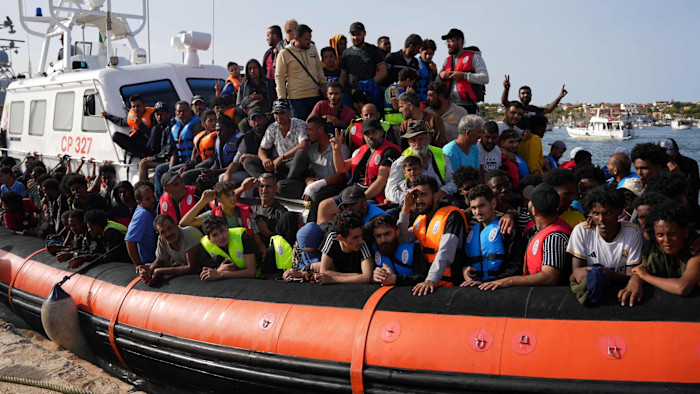
The question of who has the right to live and settle in Europe has once again moved to the center of political debate across the European Union.
As migration pressures continue from conflict zones, economic instability, and climate-related displacement, EU governments are revisiting policies that balance border control, humanitarian responsibility, and national sovereignty.
A Divided Political Landscape
Migration remains one of the most polarizing issues in Europe:
Some governments argue for stricter border enforcement and faster deportations.
Others emphasize asylum rights, international protection obligations, and integration policies.
Public opinion varies widely between member states, influencing national political agendas.
The debate has intensified alongside recent reforms to the EU’s asylum system, including discussions about transferring asylum seekers to third countries and tightening eligibility procedures.
Legal vs. Political Authority
Formally, migration policy in the EU is shaped by:
EU institutions, which set common asylum and border frameworks.
National governments, which implement policies domestically.
European courts, which ensure compliance with human rights and EU law.
Yet beyond legal structures, the issue is deeply political — tied to identity, labor markets, demographics, and social cohesion.
A Broader Question of Identity
At its core, the debate extends beyond policy mechanics. It raises fundamental questions:
What defines European belonging — citizenship, culture, legal status, or shared values?
How should Europe respond to global displacement while maintaining internal stability?
Can a unified migration system function across countries with different historical experiences and political priorities?
As elections approach in several member states and migration remains a headline issue, the discussion is likely to intensify rather than fade.
If you’d like, I can prepare a short social-media version (10–12 lines) that captures the key points clearly and neutrally.