How Hong Kong Uses Seawater to Flush Toilets — A Smart Urban Solution
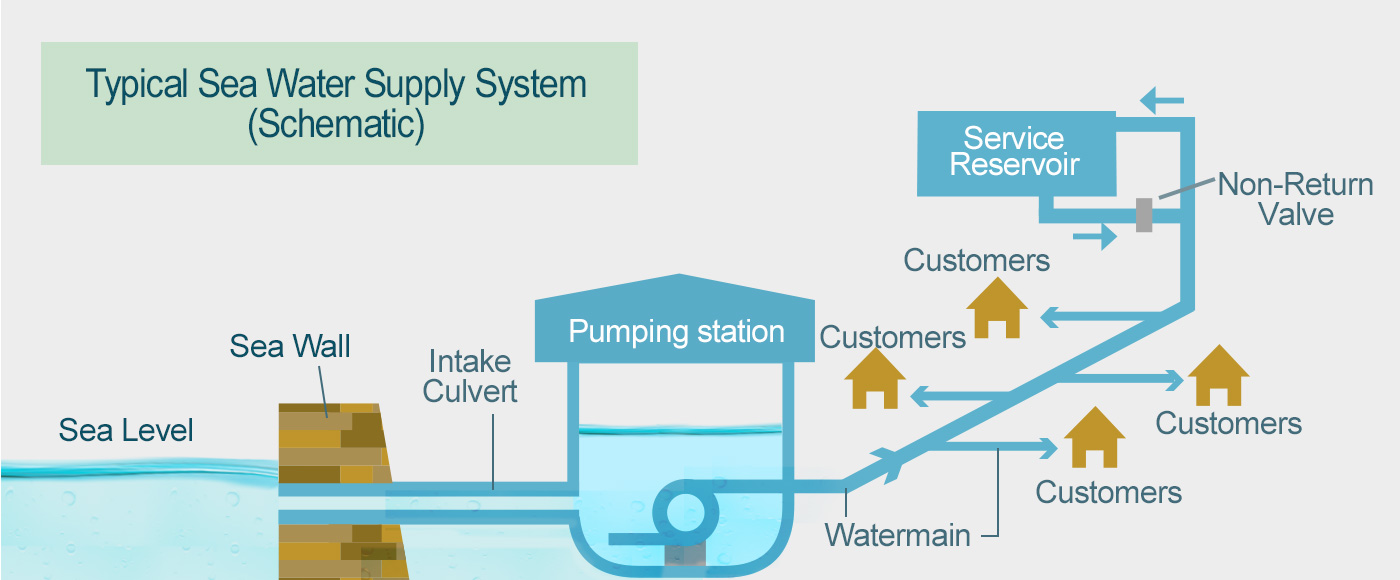
Hong Kong has been using seawater for toilet flushing since the late 1950s — a practical response to its limited freshwater resources. Decades later, the system remains one of the city’s most distinctive and effective infrastructure innovations.
Why It Was Introduced
Hong Kong has:
Limited natural freshwater supplies
Heavy reliance on imported water
Extremely high population density
To reduce strain on reservoirs, authorities built a separate seawater distribution network dedicated exclusively to toilet flushing.
How the System Works
Seawater is pumped from the ocean
It is treated to remove debris and impurities
It travels through a dedicated pipeline system, separate from drinking water
Households use it only for flushing toilets
Today, around 80–90% of households in Hong Kong use seawater for this purpose, conserving vast amounts of freshwater each year.
Environmental Impact
By matching water quality to usage — known as a “fit-for-purpose” water system — Hong Kong saves millions of cubic metres of drinking water annually.
Urban planners often cite it as an early and successful example of sustainable city design.
A Model for the Future?
As climate change intensifies water stress in many regions, cities worldwide are exploring:
Greywater reuse systems
Wastewater recycling
Dual-pipe infrastructure networks
Hong Kong’s long-running seawater flushing network shows how thoughtful engineering can quietly transform everyday life — proving that sometimes the most practical solutions are also the most sustainable.
If you’d like, I can create a short 8–10 line version suitable for social media posting.