Study Confirms First H5N1 Wildlife Die-Off in Antarctica
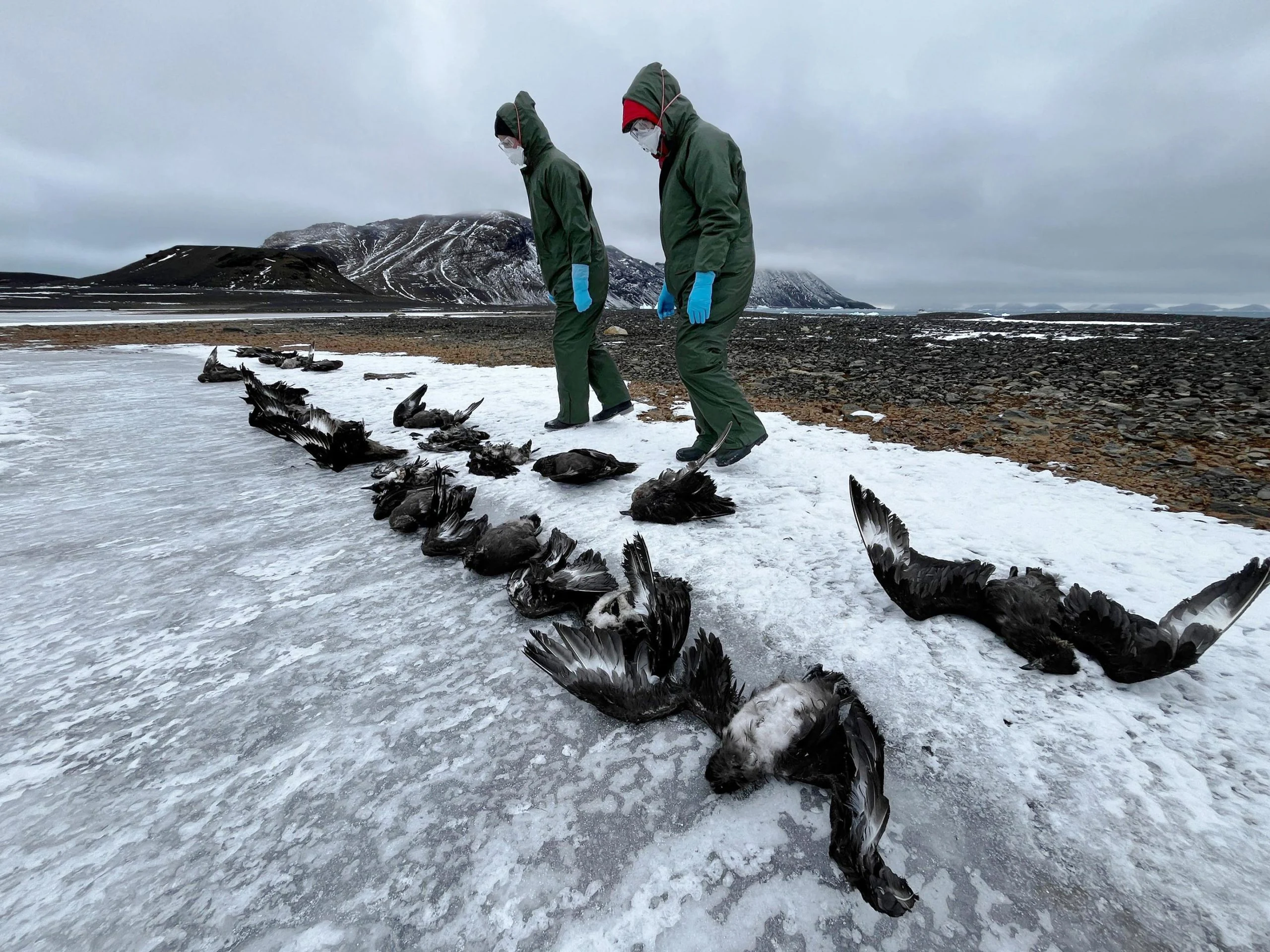
A new study led by Erasmus MC and the University of California, Davis has confirmed the first documented wildlife die-off from H5N1 on the Antarctic continent.
Published in Scientific Reports, the research details how more than 50 skuas died during the 2023 and 2024 austral summers after infection with highly pathogenic avian influenza (HPAI) H5N1.
“This is the first study to show they died of the viral infection,” said co-senior author Ralph Vanstreels of UC Davis.
A New Milestone in Viral Spread
Highly pathogenic avian influenza has caused widespread outbreaks in birds and mammals across multiple continents in recent years. However, until now, confirmed lethal impacts in Antarctica had not been formally documented.
Researchers conducted field investigations and laboratory testing to determine the cause of death among affected skuas, confirming the presence of H5N1 virus in tissue samples.
Ecological Concerns
Scientists warn that the virus could spread further among Antarctic wildlife populations, including seabirds and potentially marine mammals. The continent’s dense breeding colonies and migratory bird routes may facilitate transmission.
Experts emphasize the need for strengthened surveillance systems and rapid-response protocols to monitor the virus in one of the world’s most ecologically sensitive regions.
The findings underscore how even Antarctica — long considered relatively isolated — is not immune to the global expansion of infectious diseases.