Woman’s Persistent Tingling Was Initially Blamed on an Old Injury — It Turned Out to Be Brain Cancer
Woman’s Persistent Tingling Was Initially Blamed on an Old Injury — It Turned Out to Be Brain Cancer
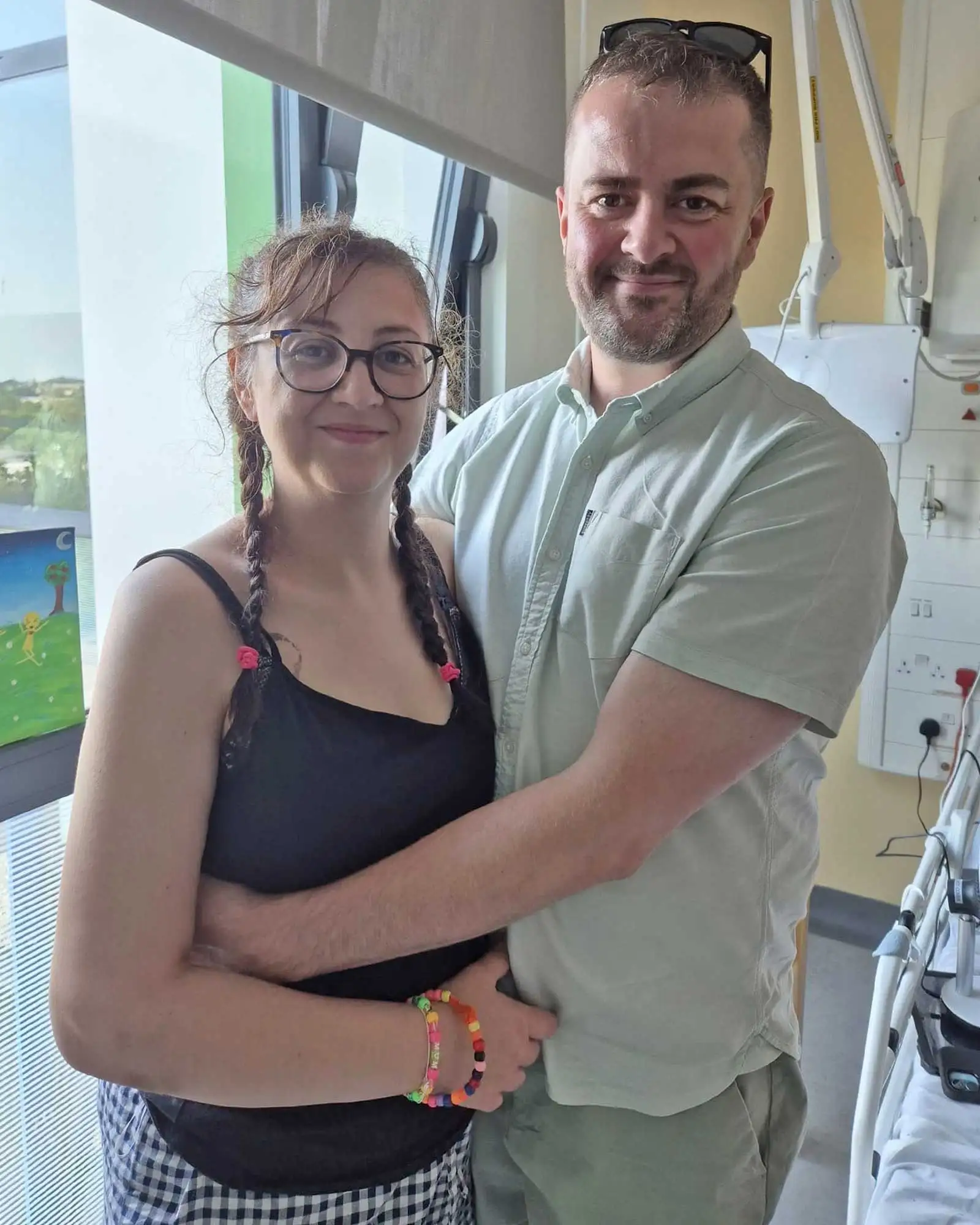
NOTTINGHAMSHIRE, England — Bryony Hill, a mother of five from Selston, England, says a series of symptoms that initially appeared unrelated eventually led to a devastating diagnosis: an aggressive form of brain cancer.
Hill, 40, began experiencing frequent headaches in September 2025. At the time, she said doctors treated the headaches as migraines.
A month later, she developed severe pain in her right ankle, an area she had injured years earlier while rock climbing. Because she still had surgical hardware from that injury, the discomfort was initially considered related to the old injury.
Months later, however, Hill developed persistent tingling and numbness in her right foot.
Symptoms Became More Serious
The unusual sensation gradually became more concerning, particularly as Hill continued experiencing headaches and other symptoms.
She said the symptoms were initially difficult to connect to a single underlying condition.
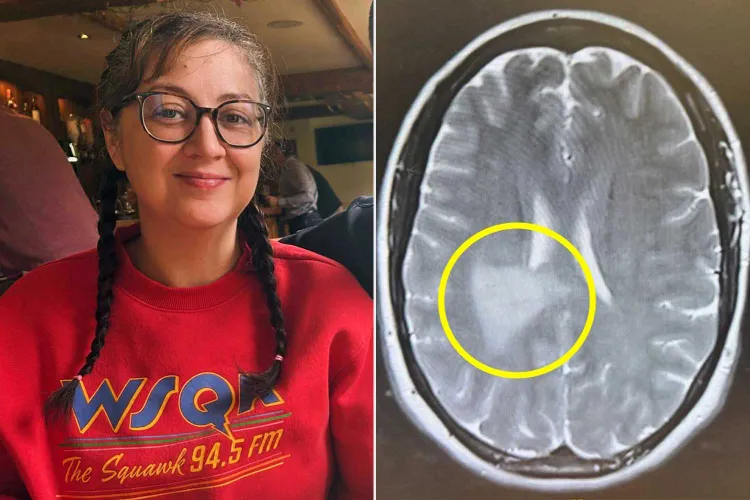
In May 2026, Hill suffered a seizure. Doctors then performed an emergency MRI, which revealed a brain tumor.
She was subsequently diagnosed with stage 4 glioblastoma, an aggressive form of brain cancer.
A Devastating Diagnosis
Glioblastoma is a fast-growing cancer that develops in the brain and is considered difficult to treat.
Hill’s diagnosis came as a shock to her and her family, particularly because her earlier symptoms had been attributed to less serious conditions.
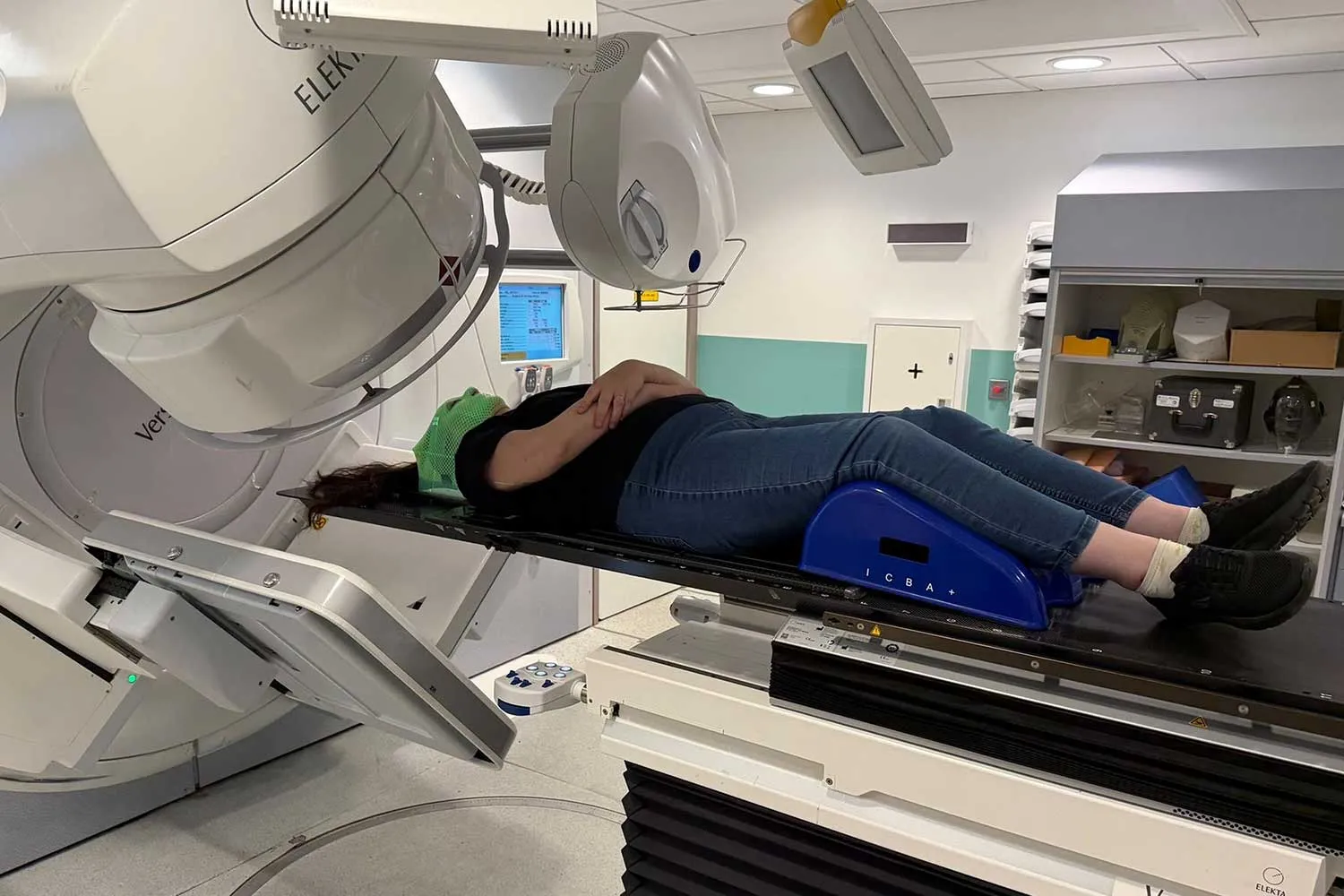
She is now undergoing treatment and exploring additional options that could potentially give her more time with her children.

Her Family Is Seeking More Treatment Options
Hill’s family has launched a fundraising campaign to help cover the cost of treatment and explore medical options outside the UK.
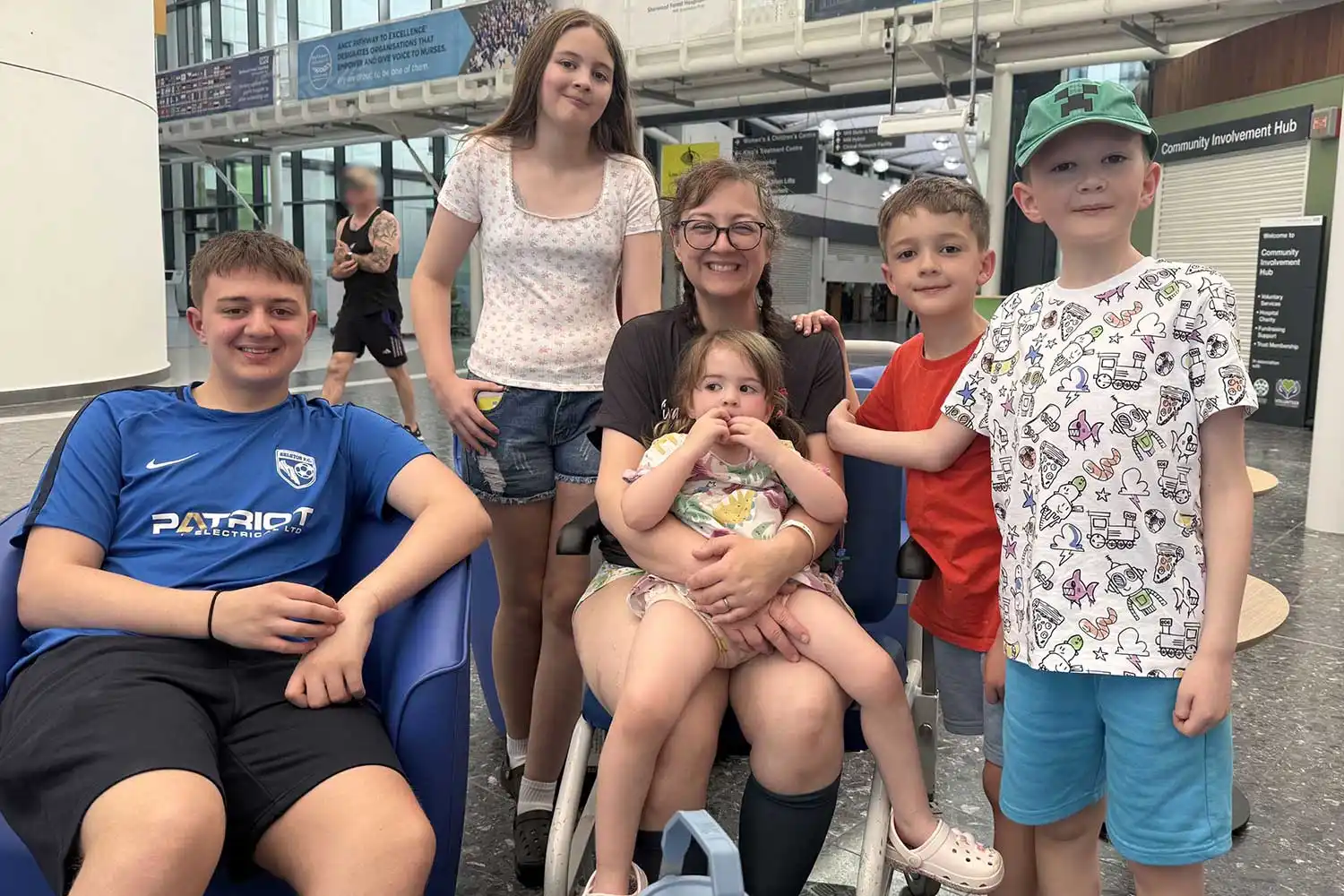
As a mother of five, Hill says her biggest motivation is spending as much time as possible with her children.
Her family has rallied around her during treatment, while supporters have helped raise money toward potential additional care.
Sharing Her Story
Hill has chosen to speak publicly about her experience in the hope that others will pay attention to persistent or unexplained symptoms.
Her story does not mean that headaches, tingling or pain necessarily indicate brain cancer. Such symptoms can have many causes.
However, Hill’s experience has highlighted how difficult it can sometimes be to identify serious illnesses when early symptoms resemble more common conditions.
For Hill and her family, the focus now is on treatment, time and finding every available option.
After months of uncertainty, she finally knows what was causing her symptoms. Now she is determined to keep fighting for more time with the five children she loves.