Louisiana Girl, 8, Dies After Suspected ‘Brain-Eating’ Amoeba Infection Linked to Lake Swim
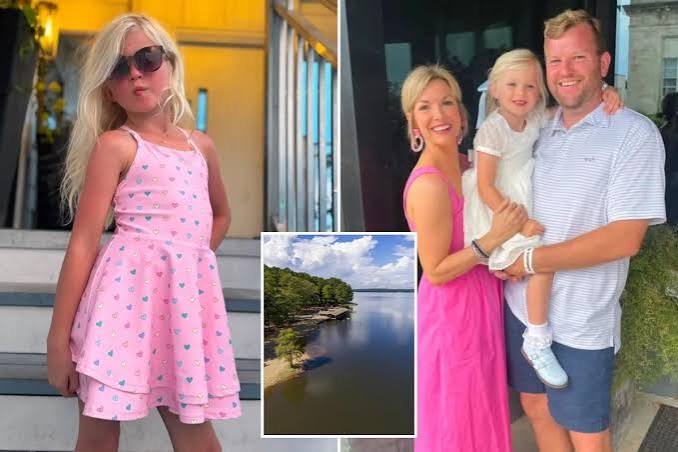
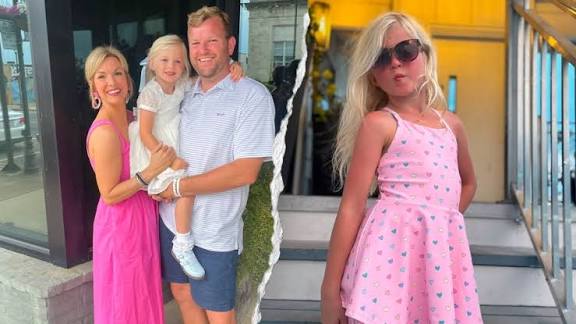
An ordinary summer swim ended in unimaginable tragedy for an 8-year-old Louisiana girl — who died just one day after celebrating her birthday.
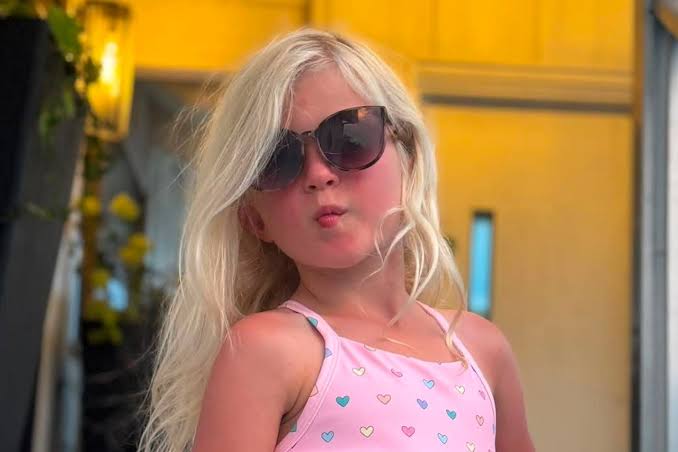
Lillian Smart, a young girl from Ruston, Louisiana, died Saturday at a hospital in Ruston after suffering devastating brain injuries from a suspected infection with the rare Naegleria fowleri, commonly known as a “brain-eating amoeba.” Health officials believe the infection was likely contracted while she was swimming in Lake Claiborne.
Lillian’s family announced her death in a heartbreaking post on the “Love for Lillian” Facebook page.
“Last night Lillian ran from our arms to the arms of Jesus,” the family wrote.
They said the damage to the little girl’s brain had become too severe for her body to overcome.
“Everyone did everything they could to keep her here,” the family said, adding that they were left “heartbroken” and struggling to understand how they could move forward without her.
The tragedy came just one day after Lillian celebrated her eighth birthday.
A seemingly innocent swim turned deadly

The Louisiana Department of Health announced Aug. 19 that a state resident had been hospitalized after contracting Naegleria fowleri, a microscopic organism capable of causing a rare and devastating brain infection.
Although health officials did not publicly identify the patient, Lillian’s family and local reports later identified her as the girl at the center of the health alert.
Authorities said the infection was most likely acquired while the patient was swimming in Lake Claiborne shortly before becoming ill.
Lillian had reportedly been hospitalized since Aug. 15 after initially developing a fever and later experiencing troubling symptoms including double vision, according to local reports.
Doctors eventually found severe swelling and injury affecting her brain.
Despite efforts to save her, the infection proved too devastating.
What makes the amoeba so frightening
Naegleria fowleri is found naturally in warm freshwater, including lakes, rivers and ponds.
The organism can cause primary amebic meningoencephalitis, or PAM — a rare infection that occurs when contaminated water enters the nose and the amoeba travels to the brain.
It does not infect people simply by swallowing contaminated water, nor does the infection spread from person to person. The amoeba is also not found in saltwater or properly maintained, chlorinated swimming pools.
The illness can begin with symptoms such as severe headache, fever, nausea and vomiting before rapidly progressing to a stiff neck, seizures, coma and death.
The infection is extraordinarily rare but is almost always fatal. CDC data cited in recent reports indicate that only a small number of people in the US have survived documented cases over many decades.
Community rallies around Lillian’s family

As Lillian fought for her life, her hometown rallied around the family.
A “Love for Lillian” fundraiser was held around her eighth birthday, with local businesses and members of the Ruston community showing their support.
Residents and businesses also participated in efforts to help the Smart family during the heartbreaking ordeal.
Local business owner Patricia Willis remembered Lillian as a child who was always smiling and happy.
The tragedy also drew condolences from Louisiana Sen. John Kennedy, who said he and his wife were heartbroken by the news and offered prayers to Lillian’s family and the Ruston community.
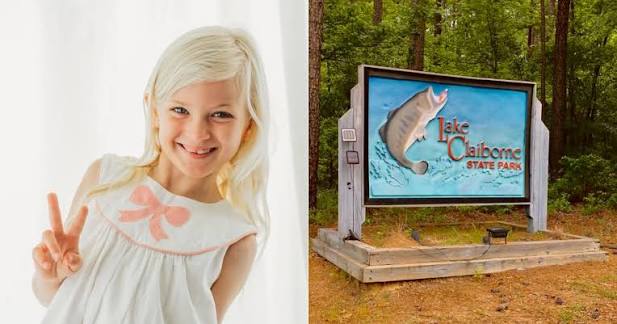
Lillian’s death has now cast a devastating shadow over what began as an ordinary summer outing — a reminder of the rare but terrifying danger that can lurk in warm freshwater during the hottest months of the year.
For her family, however, the statistics and warnings cannot capture what was lost: an 8-year-old girl who had celebrated her birthday just one day before her life was tragically cut short.
Source: nypost.com