Reversing Parkinson’s: How Lab-Grown Stem Cells are Rewiring the Human Brain
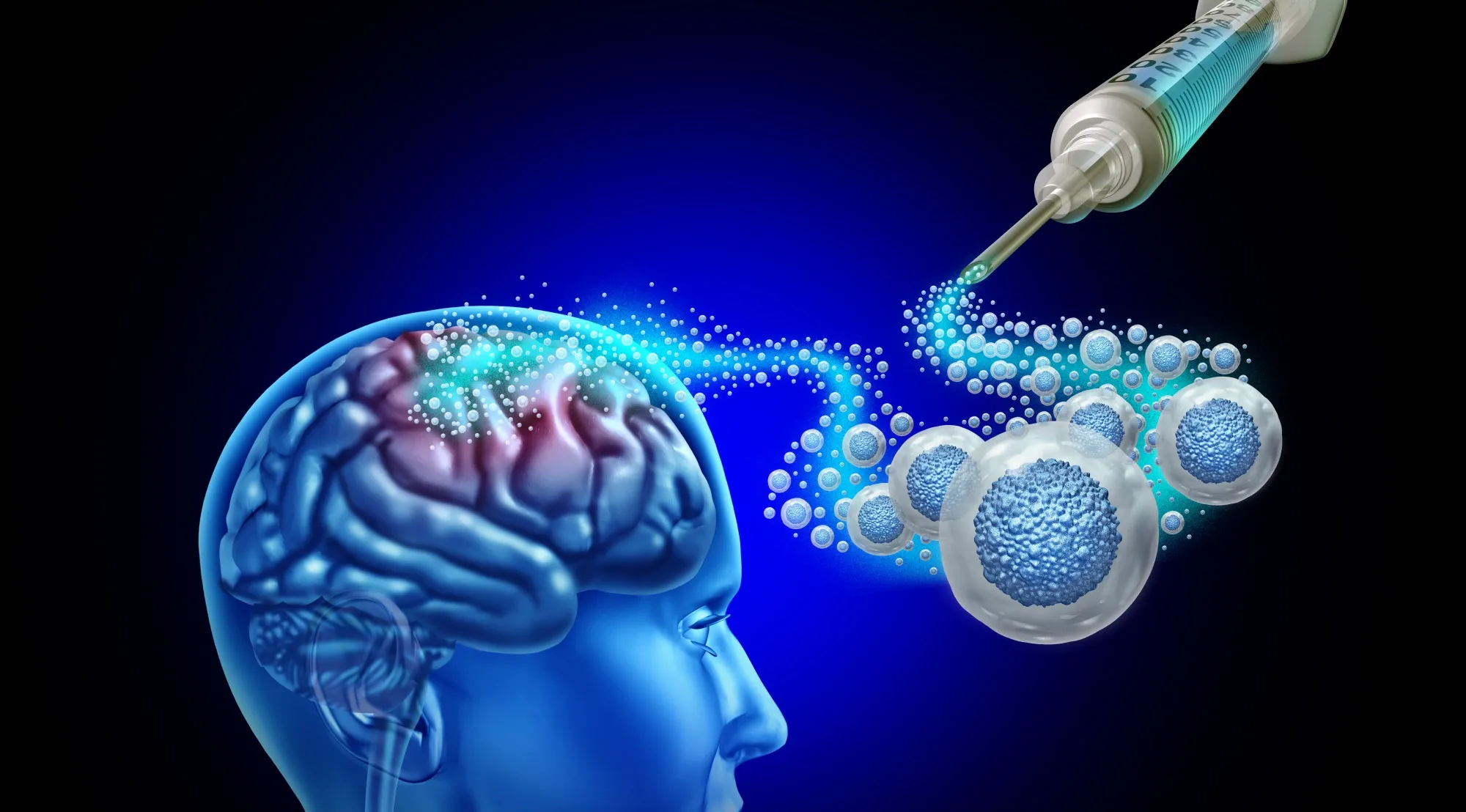
In a historic leap for regenerative medicine, surgeons have successfully used lab-grown stem cells to restore motor functions, offering a potential cure for a condition once thought to be irreversible.
Targeting the Source
For decades, Parkinson’s disease has been a relentless thief of independence, stripping millions of their ability to move, speak, and balance. The culprit is the progressive death of dopamine-producing neurons in a deep-brain region called the substantia nigra. While existing drugs like Levodopa manage the symptoms, they cannot stop the underlying decay.
Today, that narrative is changing. Instead of merely masking the loss, scientists are now replacing the lost cells.
The Breakthrough Procedure
The procedure involves a high-precision neurosurgical implantation of “progenitor” cells. These cells, grown from stem cells in highly controlled laboratory environments, are injected into the putamen—the part of the brain that regulates movement.
Once implanted, these “seed” cells mature into fully functional, dopamine-releasing neurons. They don’t just sit there; they begin to sprout connections, integrating into the patient’s existing neural architecture. Early clinical trial participants have reported a “remarkable return of fluid movement” and a significant reduction in the tremors that once dominated their daily lives.
From Symptom Management to Repair
“We are moving from an era of ‘coping’ to an era of ‘repairing’,” says Dr. Elena Rossi, a lead researcher in the 2026 clinical trials. “We are seeing patients who had difficulty walking now able to perform complex motor tasks just weeks after surgery. The brain is proving to be more resilient and receptive to these new cells than we ever dared to hope.”
A Blueprint for the Future
The success of this stem cell therapy for Parkinson’s is sending ripples across the entire field of neurology. If the brain can be “re-seeded” to cure Parkinson’s, the same logic could theoretically be applied to:
Alzheimer’s Disease: Replacing memory-related neurons.
Spinal Cord Injuries: Reconnecting severed neural pathways.
Huntington’s Disease: Repairing genetic brain damage.
The Long Road Ahead
While the results are groundbreaking, the medical community remains cautious. Larger Phase 3 trials are currently underway to monitor the long-term safety and to ensure that the newly implanted cells do not overproduce dopamine or cause unintended side effects.
For millions of families, however, the data is enough to spark a flame of hope that hasn’t existed for generations. We are no longer just dreaming of a world without Parkinson’s—we are actively building the cells to make it happen.