Spring 2026: A Cold War Between a Fading La Niña and a Broken Polar Vortex
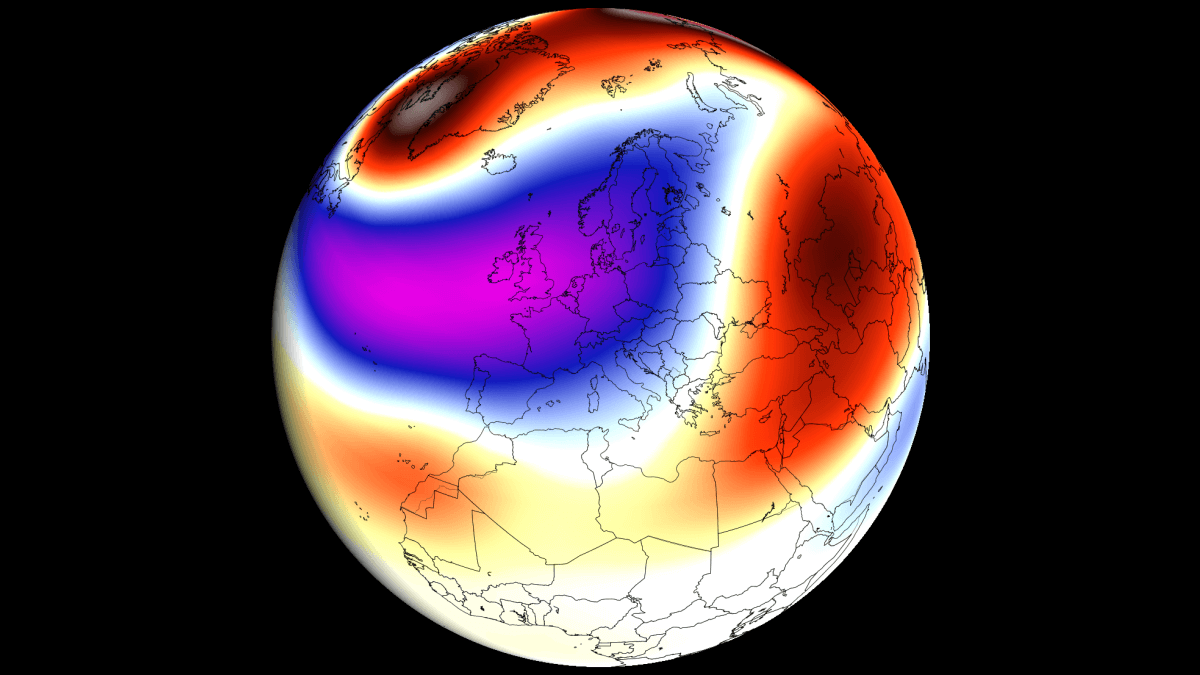
While many hope for early blossoms, meteorological models warn of a “Volatile Spring” for the Northern U.S. and Canada as the atmosphere prepares for a dramatic El Niño transition.
The Tropical Pivot
The global climate engine is currently in the middle of a violent gear shift. After years of dominance, the cool waters of La Niña are rapidly disappearing. According to the latest readings from the UK Met Office and ECMWF, the tropical Pacific is warming at an unprecedented pace. This transition is expected to destabilize the jet stream, creating an atmospheric “tug-of-war” just as spring is supposed to begin.
By Summer 2026, we are likely to face a full-blown El Niño, but the road to get there will be paved with snow and frost for those in northern latitudes.
The Stratospheric Disruption
While the Pacific warms, something dramatic is happening 18 miles above the Earth. A massive Sudden Stratospheric Warming (SSW) event has sent temperatures in the upper atmosphere soaring nearly 70°F above normal.
This phenomenon has a direct and often brutal consequence: it shatters the Polar Vortex. Instead of keeping the frigid Arctic air locked at the North Pole, the weakened vortex allows “blobs” of Siberian and Arctic air to spill southward. For the Upper Midwest, the Northeast, and Southern Canada, this means the threat of winter-like conditions could linger well into April.
A Tale of Two Springs
The forecast for 2026 reveals a stark geographical divide:
The Frozen North: From the Pacific Northwest through the Great Lakes and into the Canadian Maritimes, residents should brace for above-normal snowfall and persistent frost. The “Spring Transition” will likely be marked by heavy, wet snowstorms and volatile temperature swings.
The Warming South: In contrast, the Southern and Western U.S. are expected to see a much smoother—and warmer—entry into the season, as the shifting jet stream stays further north.
Preparing for the Unpredictable
Meteorologists warn that this Spring is not one for early gardening. The risk of late-season “freeze-outs” is high, potentially impacting agriculture and energy demand. As the global climate pivots toward El Niño, the atmosphere is proving that even as the world warms, the transition between seasons can still deliver a powerful, frozen punch.