Miracle at Sea: Exhausted Owl Rescued 70 Miles Offshore After Collapsing Onto Racing Yacht
Miracle at Sea: Exhausted Owl Rescued 70 Miles Offshore After Collapsing Onto Racing Yacht
NORTH SEA — An exhausted barn owl stranded roughly 70 miles from shore has survived against extraordinary odds after collapsing onto a British Army racing yacht during one of the United Kingdom’s toughest offshore sailing competitions.
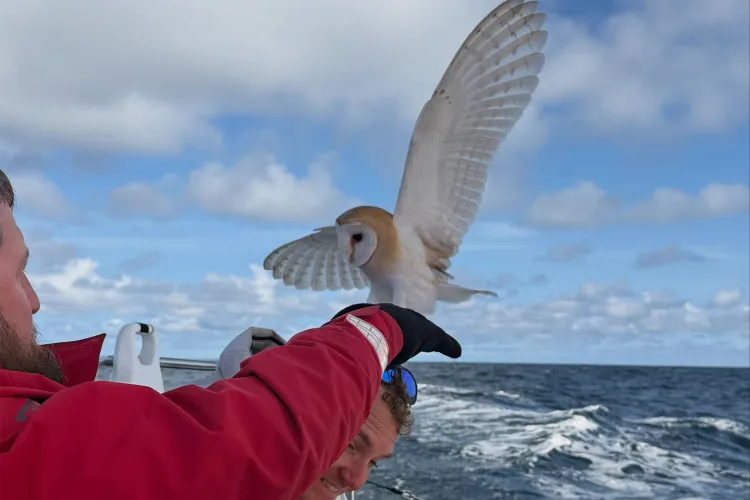
The bird, affectionately named Little Reg by its rescuers, was found weak, starving and repeatedly falling into the sea before finally making it aboard the yacht competing in the RORC Round Britain and Ireland Race.
A Desperate Fight for Survival
Crew members aboard the British Army yacht first spotted the owl circling above the waves far from land.
According to the sailors, the bird attempted several landings but was so exhausted that it repeatedly crashed into the water. Each time, it struggled back into the air before making one final attempt and collapsing onto the deck.
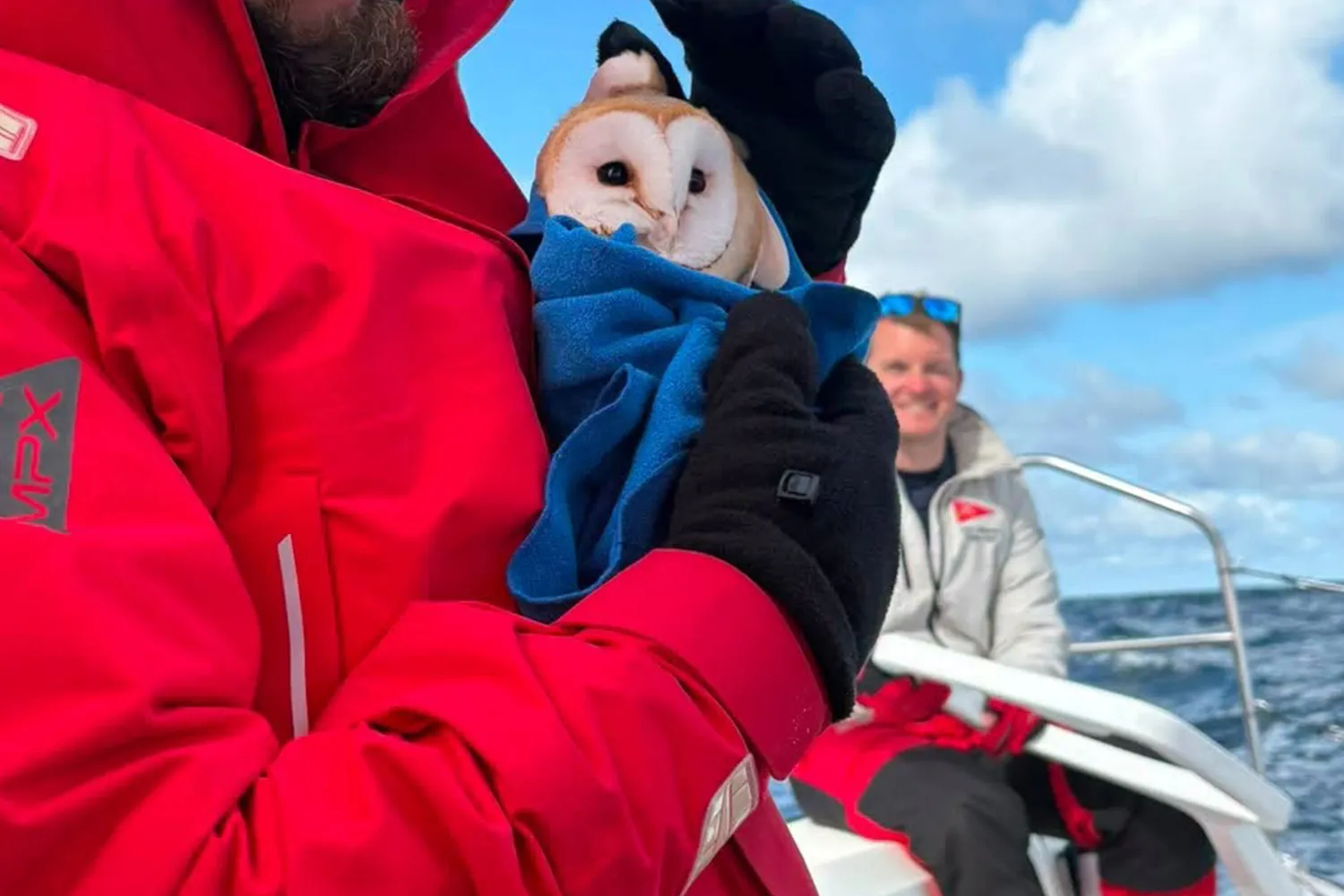
The crew immediately wrapped the owl in a towel, gave it shelter and spent the next 24 hours caring for their unexpected passenger while continuing the 1,805-nautical-mile race around Britain and Ireland.
Sergeant Mark Petherbridge later praised the owl’s determination, saying its will to survive amazed everyone on board.
How Did a Barn Owl End Up So Far at Sea?
Barn owls are birds of grasslands, farmland and open countryside—not the open ocean.
James Stannard of the Barn Owl Trust believes Little Reg most likely fell asleep aboard a fishing vessel while it was docked. When the boat sailed out to sea, the owl unknowingly became stranded dozens of miles offshore with nowhere to land.
Stannard described the bird’s survival as “nothing short of a miracle,” noting that without finding another vessel, it almost certainly would have died from exhaustion or starvation.
Race Crew Coordinates Dramatic Rescue
Realizing the owl needed professional care, the Army sailors contacted wildlife organizations and race officials.
A coordinated rescue brought a lifeboat alongside the racing yacht, allowing Little Reg to be safely transferred back to shore without forcing the sailing team to abandon the competition.
The rescue involved the Barn Owl Trust, Marine and Wildlife Rescue, and the Caister Independent Lifeboat, whose volunteers transported the weakened bird to a rehabilitation center in England.
Recovering at a Wildlife Center
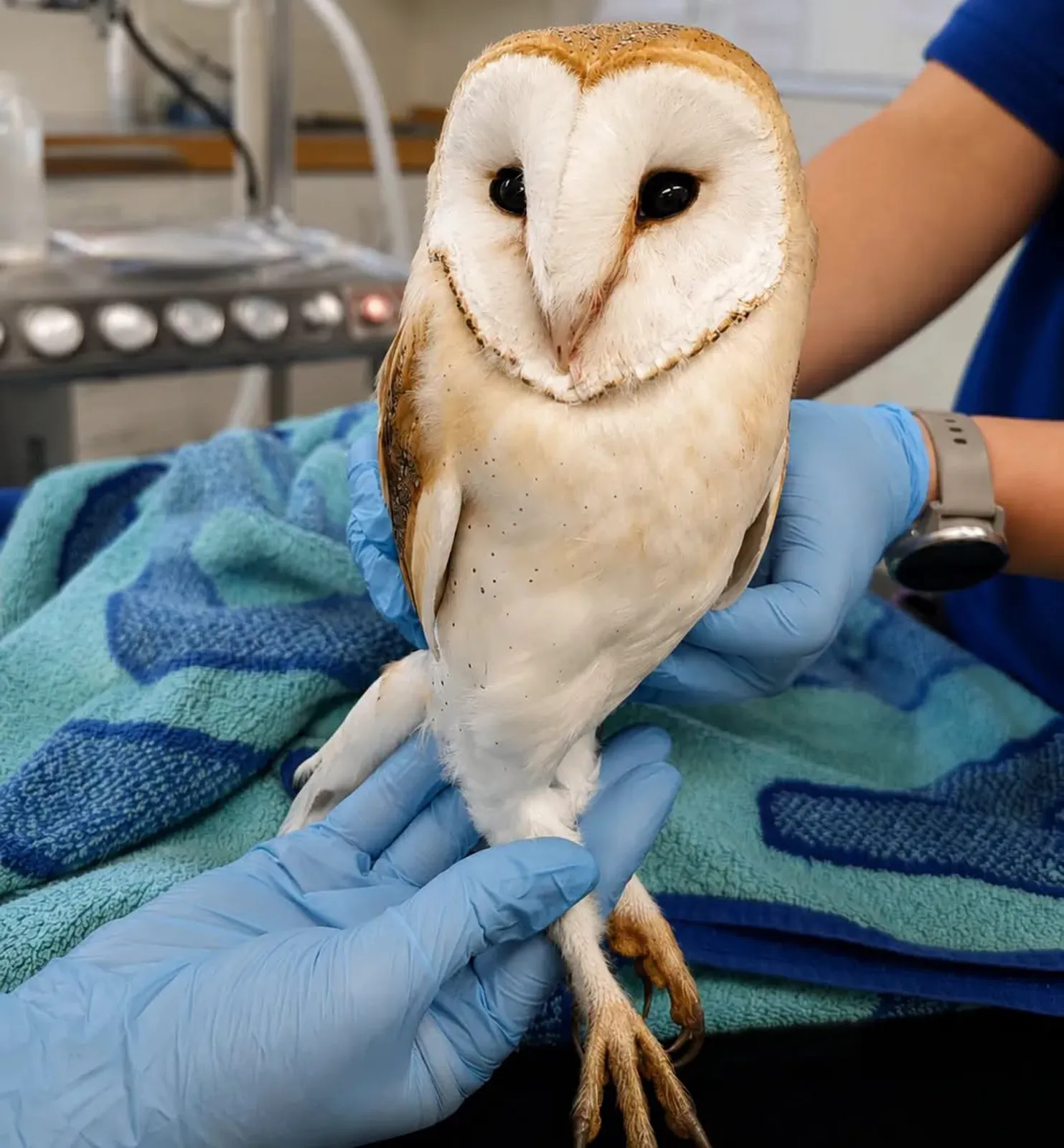
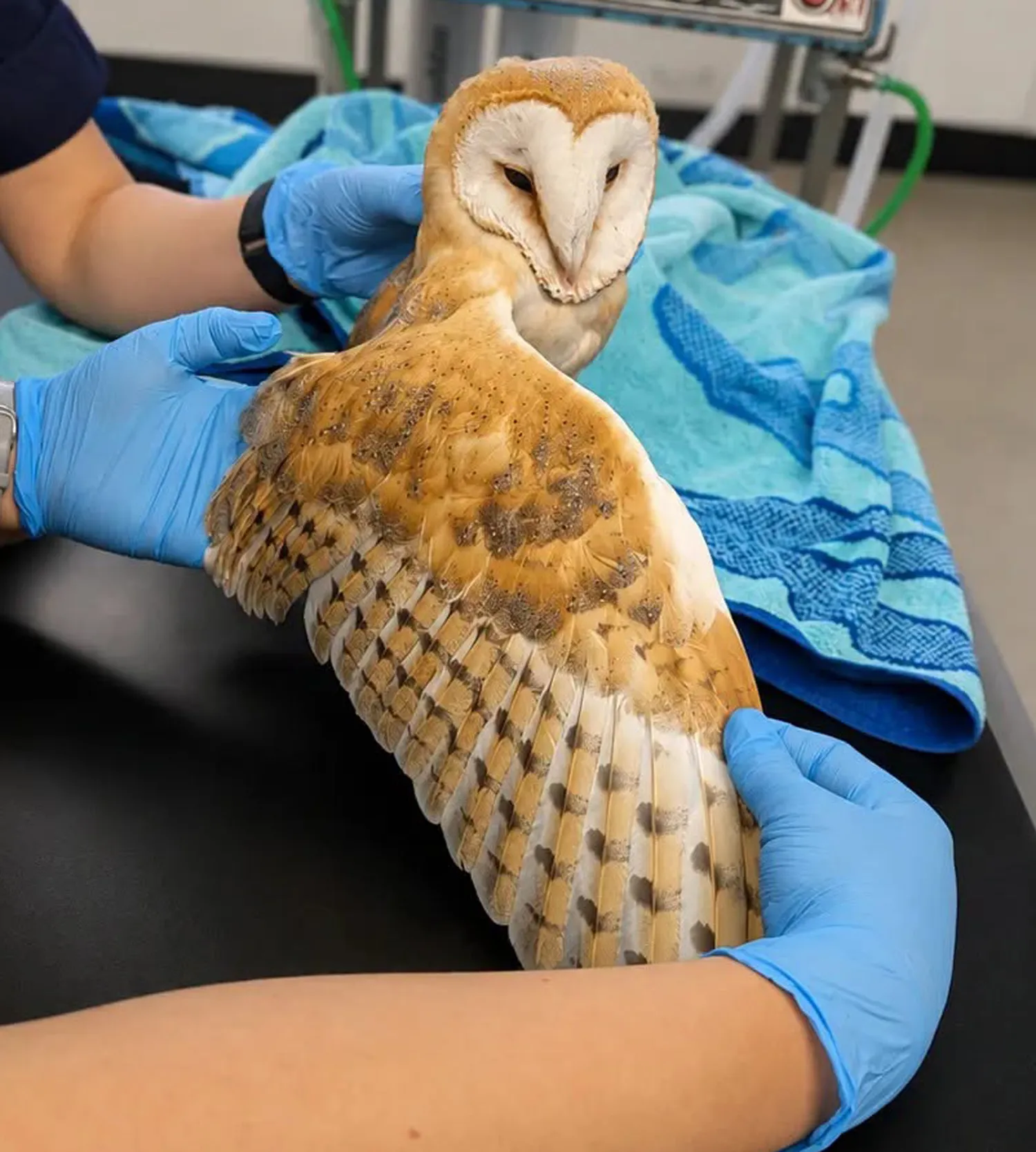
Little Reg is now receiving treatment at the RSPCA East Winch Wildlife Centre in King’s Lynn.
Veterinary staff say the owl arrived extremely emaciated and weak but has begun receiving fluids, nutrition, warmth and plenty of rest. Caregivers remain hopeful that the bird will recover enough to be released back into the wild once its strength returns.
The center has also appealed for donations of supplies, including heavy-duty pet beds, to help care for recovering wildlife patients like Little Reg.
An Unforgettable Extra Crew Member
What began as an elite offshore sailing race unexpectedly became a remarkable wildlife rescue.
The British Army crew joked that they had gained an additional crew member for the final stretch of the competition, but behind the humor was genuine admiration for the tiny owl’s resilience.
Against overwhelming odds, Little Reg found the only safe refuge in 70 miles of open water—a passing yacht filled with strangers who refused to let the exhausted bird become another casualty of the sea.
Sometimes the greatest victory isn’t crossing the finish line. It’s making sure everyone, even an unexpected feathered passenger, gets home alive.