The Soul of the Machine: Why Japanese Workers Bow to Retiring Tools
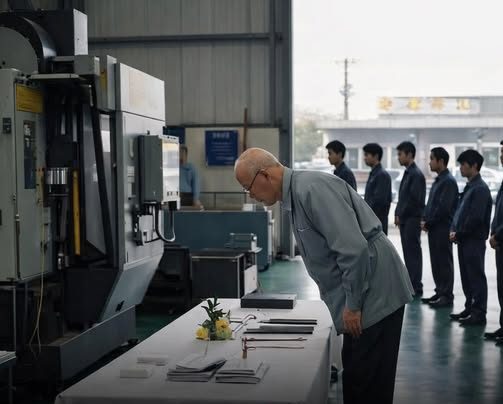
In the world’s most advanced industrial nation, the line between technology and spirit blurs as workers pause to offer a final “thank you” to the machines that shaped their lives.
More Than Just Steel and Gears
In a bustling factory in Osaka or a quiet textile mill in Kyoto, a scene unfolds that often puzzles Western observers. As a massive industrial lathe or a simple sewing machine is unplugged for the last time, the workers don’t just haul it to the scrap yard. They gather around it, clean it one last time, and perform a deep, silent bow.
This is the tradition of Kuyo (memorial services for inanimate objects), a practice deeply rooted in the belief that everything—even a machine—possesses a form of spirit or “Tsukumogami” after years of loyal service.
The “Mottainai” Philosophy
At the heart of this ritual is the concept of Mottainai—the feeling of regret when something is wasted. By honoring a machine at the end of its life, workers acknowledge the “labor” the tool performed.
Gratitude (Kansha): The ceremony is a formal recognition that the worker’s livelihood was made possible by the machine’s precision and endurance.
Closure: Just as humans need a funeral to say goodbye, Japanese craftsmen feel that a formal “retirement” allows them to move on to new technology with a clear conscience and a focused mind.
From Needle to Robot
This tradition isn’t limited to heavy industry. Perhaps the most famous example is Hari-Kuyo (The Festival of Broken Needles), where seamstresses place their broken or bent needles into soft blocks of tofu. The idea is to give the needles—which spent their lives piercing tough fabric—a soft, peaceful place to rest.
In 2026, this tradition has evolved to include the digital age. Companies like Sony have held “funerals” for their discontinued Aibo robot dogs, with Shinto priests chanting prayers for the “souls” of the electronic pets.
A Lesson for the Modern World
In our era of disposable tech and planned obsolescence, the Japanese bow to a retiring machine serves as a powerful reminder. It teaches us that appreciation shouldn’t be reserved only for people, but for everything that supports our existence.
When we respect our tools, we respect our work. And when we say goodbye to an old machine with a bow, we carry its legacy of hard work into the future.