COSMIC BOMBSHELL: JAMES WEBB “SEES LIGHTS WHERE NO LIGHTS SHOULD EXIST”—AND SCIENTISTS ARE PANICKING
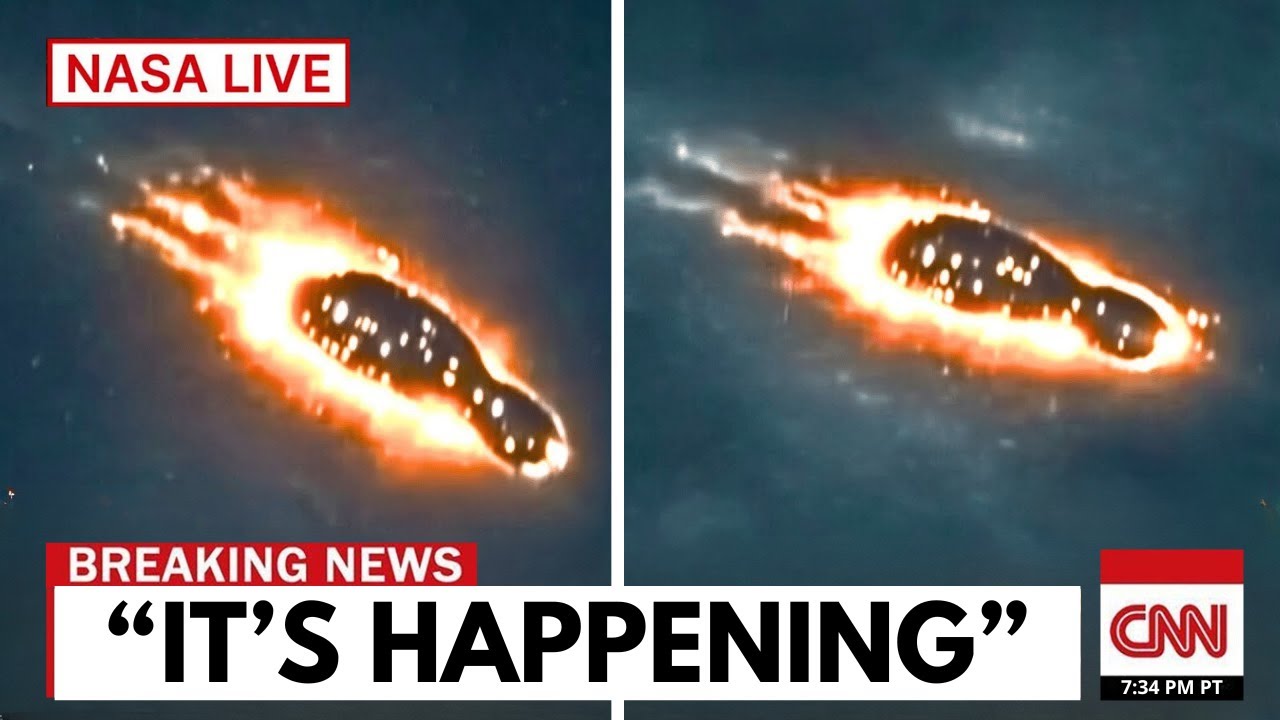
COSMIC BOMBSHELL: JAMES WEBB “SEES LIGHTS WHERE NO LIGHTS SHOULD EXIST”—AND SCIENTISTS ARE PANICKING
It started as a routine scan. Just another distant object drifting through the dark. Then the James Webb Space Telescope picked up something that made experts stop breathing. Light. Structured. Repeating. Wrong.
3I/ATLAS was never expected to shine like this. Yet the data shows patterns that don’t behave like stars, dust, or gas. Engineers recalibrated. Scientists double-checked. The signal didn’t disappear—it became clearer.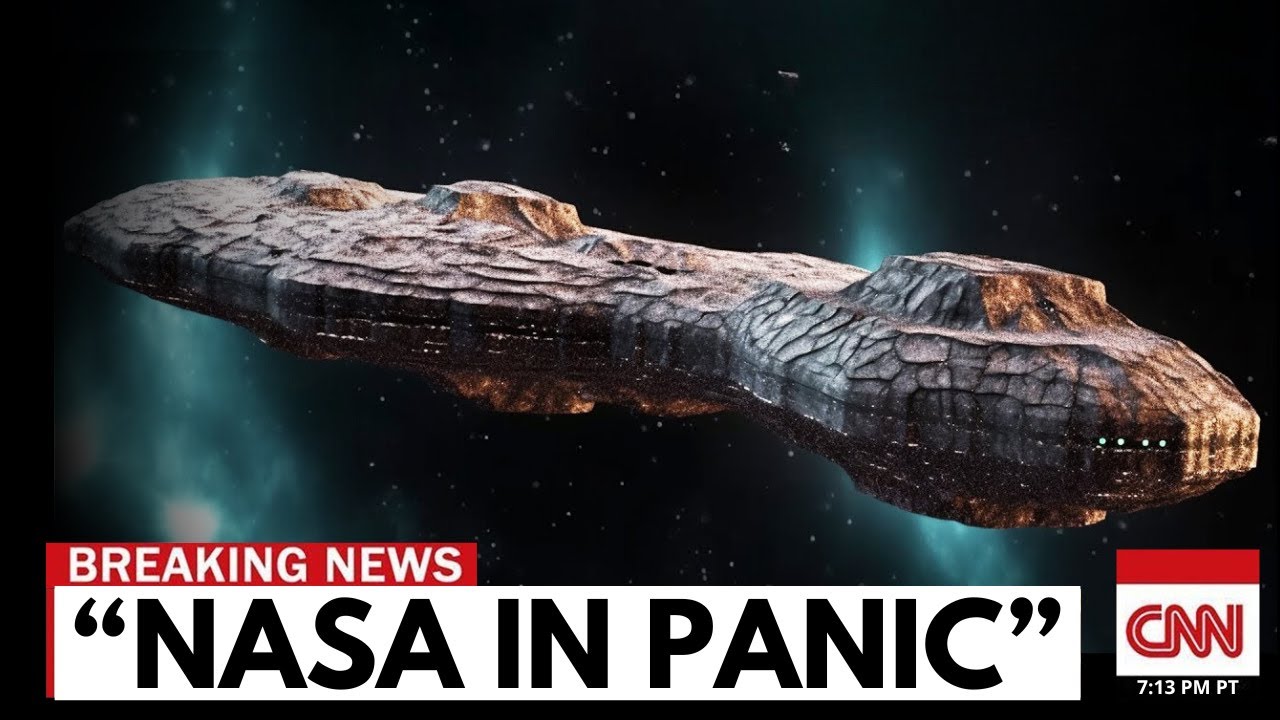
Officials are choosing their words carefully. Raw data remains tightly controlled. And behind closed doors, uncomfortable questions are being asked. Why would an object in deep space emit light this way? Why now? And why does it resemble no known natural process?
Some call it a sensor glitch. Others whisper a word no one wants to say out loud.
If this detection is real, it doesn’t just challenge astronomy—it challenges our place in the universe itself.
James Webb Telescope Just Detected Artificial Lights in 3I/ATLAS