THE CLEANING CREW IS WATCHING: Spanish Engineer Remotely Hijacks 7,000 Robot Vacuums
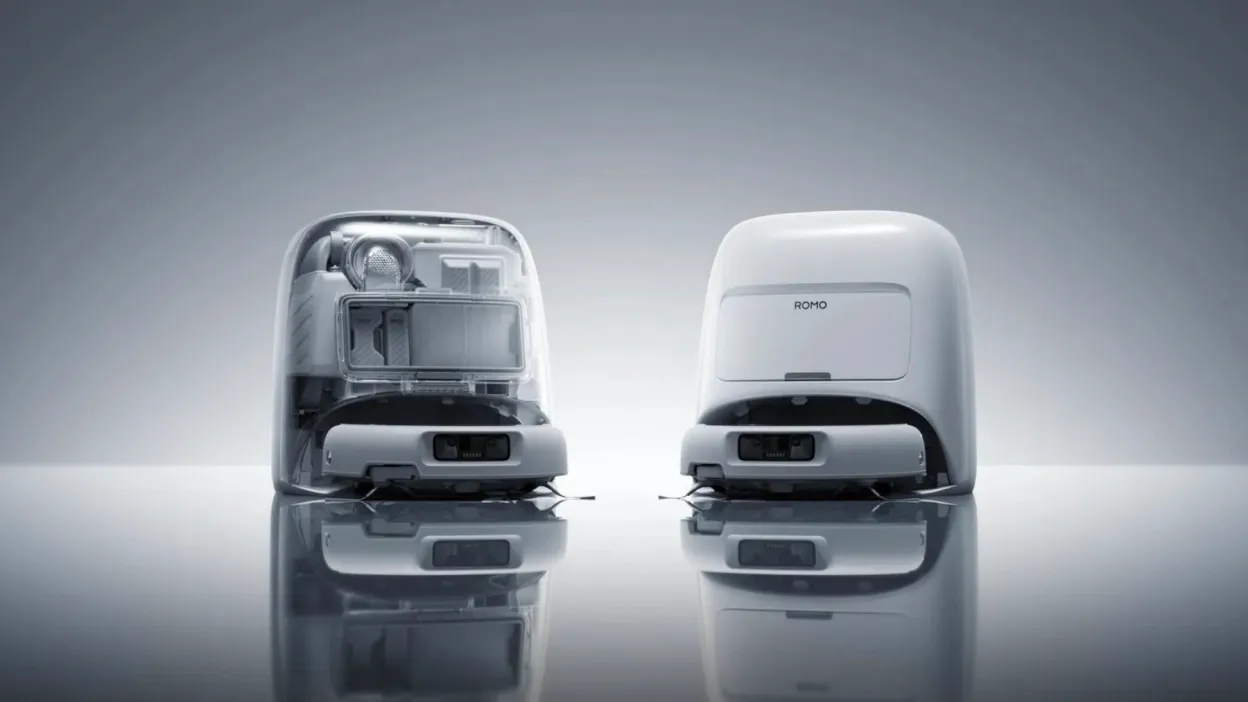
NEW YORK, NY — A cybersecurity bombshell was dropped this week when a Spanish software engineer contacted a major tech outlet to demonstrate a terrifying reality: he had gained remote, unauthorized access to approximately 7,000 robot vacuum cleaners across the globe. The hack, intended as a “white hat” warning, highlights the fragile security layers protecting the devices that sit in our most private spaces.
The Vulnerability: A “Backdoor” Left Open
The engineer, who specializes in IoT (Internet of Things) security, explained that the breach was not the result of a complex, sophisticated attack. Instead, he exploited a common flaw in the firmware of a popular, budget-friendly brand of smart vacuums.
By bypassing a poorly secured API (Application Programming Interface), he was able to:
Access Live Cameras: Many high-end models use cameras for navigation; the engineer was able to view live feeds from inside thousands of homes.
Control Movement: He could remotely drive the vacuums like RC cars into specific rooms.
Audio Interception: On models equipped with microphones, he demonstrated the ability to listen to private conversations in real-time.
Mapping the World
Perhaps most unsettling was the engineer’s ability to download the “floor maps” generated by the vacuums. These digital maps provide a literal blueprint of a home’s interior, including the location of furniture, doors, and room dimensions—data that is highly valuable to burglars or data brokers.
The Response: “Security by Design”
The engineer stated he contacted the manufacturer months ago but received no response, prompting him to go public with the New York-based outlet to force a security patch.
“We are inviting cameras and microphones into our bedrooms and living rooms under the guise of convenience,” the engineer stated. “If a single person in Spain can control 7,000 of these, imagine what a state-sponsored actor could do.”