SPACE DATA CENTERS: The New Frontier of the Altman-Musk Rivalry
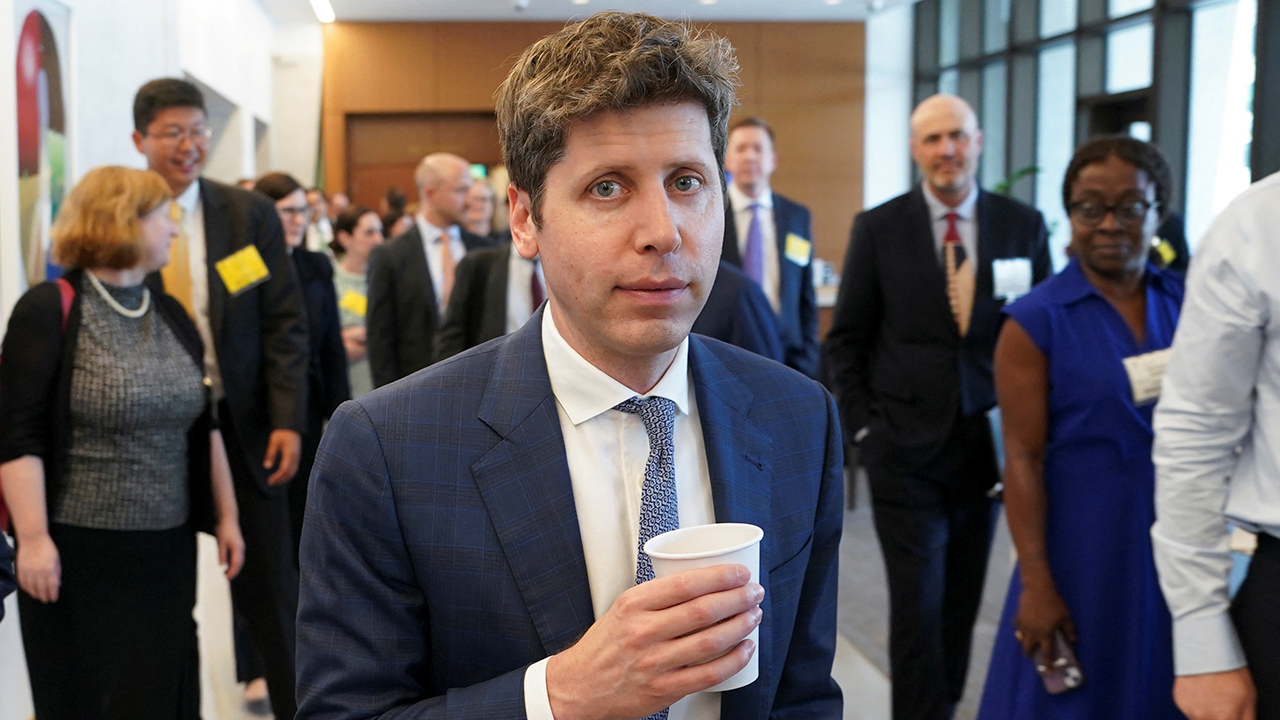
NEW DELHI, INDIA — In a recent appearance at the India-AI Impact Summit 2026, OpenAI CEO Sam Altman dismissed the notion of orbital data centers as “ridiculous” for the current decade. His comments come just weeks after Elon Musk intensified his push to move AI computation off-planet, following a landmark merger between SpaceX and xAI.
Altman: “The Math Doesn’t Add Up”
Speaking with The Indian Express, Altman argued that while space is “great for a lot of things,” it is an impractical home for AI hardware right now. He cited three primary “deal-breakers”:
Launch Costs: Even with cheaper rockets, the cost per kilogram to orbit far outweighs the cost of building terrestrial power infrastructure.
Maintenance Nightmares: Altman pointed out that GPUs “break a lot,” and repairing a faulty chip hundreds of miles above Earth is currently impossible at scale.
Thermodynamics: Space is a vacuum, making it an excellent insulator but a terrible environment for shedding the massive heat generated by AI clusters.
“I honestly think the idea with the current landscape of putting data centers in space is ridiculous… Orbital data centers are not something that’s going to matter at scale this decade.” — Sam Altman
Musk: “The Only Way to Scale”
Conversely, Elon Musk views space as the inevitable solution to Earth’s dwindling energy grids. Musk predicts that within 2 to 3 years, space will actually be the cheapest place for AI compute.
Unlimited Solar: In orbit, solar panels operate with near-100% efficiency, unaffected by weather or day-night cycles.
Environmental Relief: Moving “power-hungry” AI models to space would alleviate the strain on local electricity prices and water supplies on Earth.
SpaceX has already taken concrete steps, filing with the FCC for a constellation of up to one million satellites designed specifically for AI workloads.
The Competitive Landscape
It isn’t just a two-man race. Other tech giants are also eyeing the stars:
Google: CEO Sundar Pichai recently discussed Project Suncatcher, which aims to launch prototype AI satellites by 2027.
Nvidia: The chip giant has already partnered with startups like Starcloud to test H100 chips in orbit.