THE ROAD TO THE MOON: Understanding the Artemis II Mission
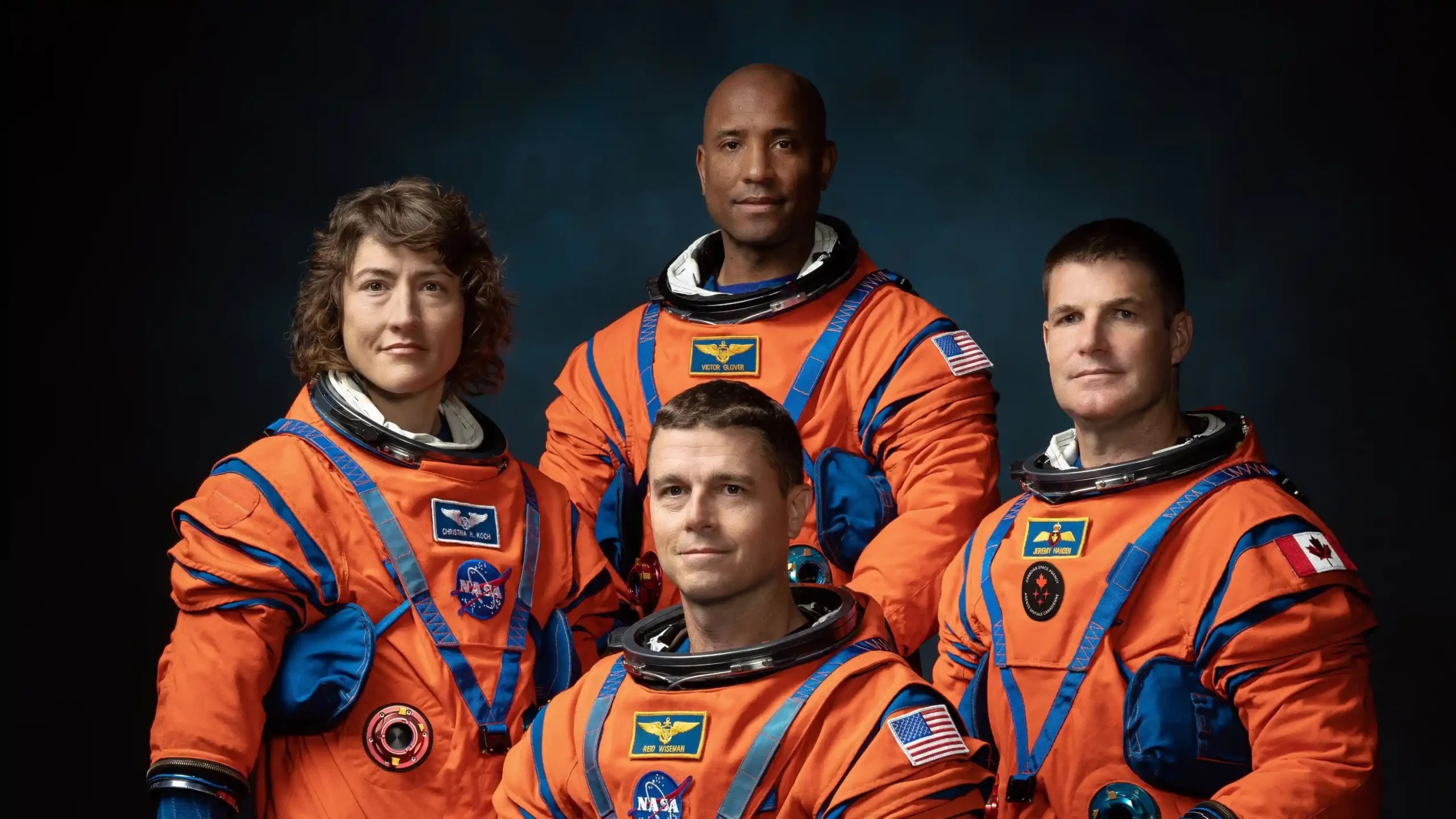
As of late February 2026, the global space community is watching the Kennedy Space Center closely. While the Artemis II mission—the first crewed lunar flyby in over half a century—was initially targeted for March 2026, recent technical challenges have reshuffled the timeline.
Here is the essential breakdown of what you need to know about this historic mission, where it stands today, and why it matters.
The Current Status: Technical Adjustments
Engineers have identified an issue with the helium pressurization system in the Space Launch System (SLS) rocket’s upper stage. To ensure the safety of the crew and the success of the mission, NASA has begun the process of rolling the massive rocket and the Orion spacecraft back from the launch pad to the Vehicle Assembly Building (VAB).
While this rollback removes the March launch window from consideration, teams are working toward an updated target of no earlier than April 2026. This rigorous approach to safety is consistent with the agency’s commitment to protecting the four-person crew during their journey into deep space.
The Mission Profile: A “Flyby,” Not a Landing
It is important to distinguish Artemis II from the eventual Artemis III mission.
The Goal: Artemis II is a “free-return” trajectory mission. The crew will not land on the lunar surface. Instead, they will orbit the Earth to test systems, perform an in-space rendezvous with the spent upper stage of their rocket, and then head toward the Moon.
The Distance: The spacecraft will swing around the far side of the Moon, taking the astronauts further from Earth than any human has traveled in history, breaking the distance record set by Apollo 13 in 1970.
The Duration: It is a 10-day test flight designed to certify the Orion capsule’s life support, navigation, and communications systems for the long-duration surface missions that follow.
The Crew: A New Era of Exploration
Artemis II represents a global effort, featuring a crew that reflects a new era of space cooperation:
Reid Wiseman (Commander, NASA): Veteran astronaut leading the crew.
Victor Glover (Pilot, NASA): Experienced test pilot and astronaut.
Christina Koch (Mission Specialist, NASA): Holder of the record for the longest single spaceflight by a woman.
Jeremy Hansen (Mission Specialist, Canadian Space Agency): The first international astronaut to participate in a lunar mission.
Why It Matters
Artemis II is the “bridge” mission. It is the necessary, final test of the SLS rocket and the Orion capsule with human beings on board. Proving that these systems can keep humans alive and return them safely from deep space is the absolute prerequisite for the Artemis III mission, which aims to land the first humans on the lunar surface since 1972.