THE ROBOTAXI MIRAGE: Navigating the Chasm Between Valuation and Reality
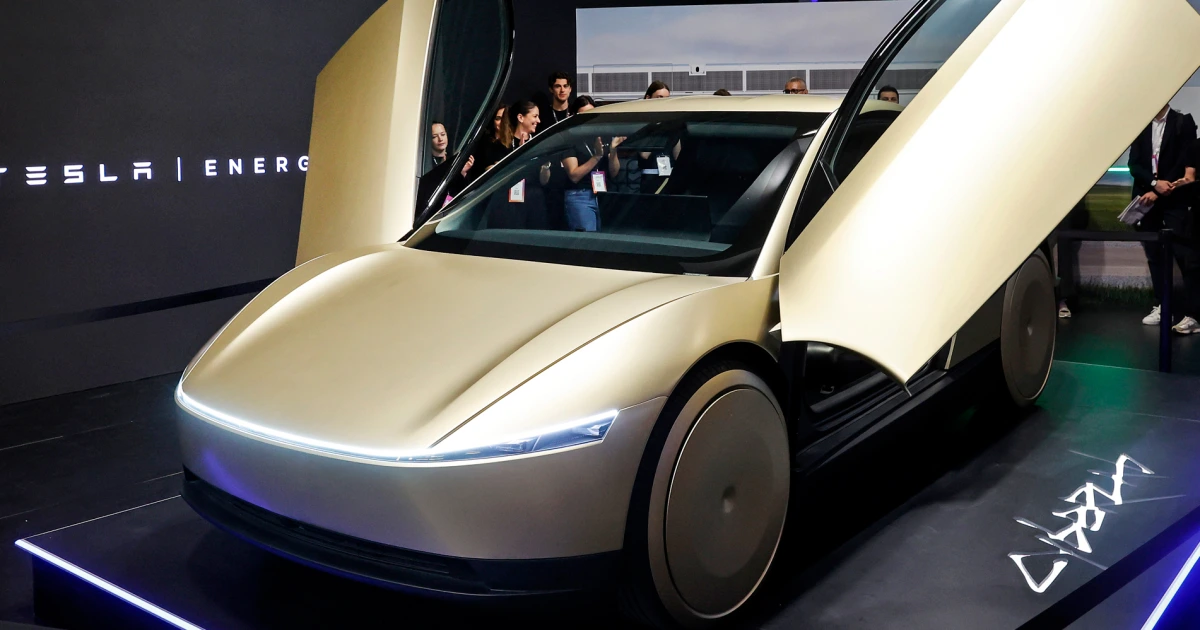
PALO ALTO, CALIFORNIA — For years, Tesla’s market valuation—often exceeding $1.5 trillion—has defied the traditional metrics of automotive manufacturing. Wall Street isn’t valuing Tesla based on how many Model 3s it ships; it is valuing the company based on the promise of an AI-driven, autonomous future. Yet, as we move through 2026, a stark discrepancy has emerged between the narrative of the “Robotaxi” and the operational reality on the ground.
The Odometer Paradox
According to recent records from the California Department of Motor Vehicles (DMV), Tesla logged exactly zero miles of autonomous test driving on public roads in 2025. This marks the sixth consecutive year of non-participation in the state’s rigorous autonomous vehicle testing program.
This presents a peculiar paradox:
The Promise: Elon Musk has repeatedly stated that a driverless service is “months away,” contingent only on regulatory approval.
The Data: To gain regulatory approval in California, a company is generally required to demonstrate safety through rigorous public testing and reporting. By choosing not to participate in the DMV’s autonomous testing permit program, Tesla has essentially opted out of the very regulatory path it claims to be waiting for.
Different Strategies, Different Rules
Why would a company claim to be months away from autonomy while refusing to participate in state-sanctioned testing? The answer lies in Tesla’s unique—and highly controversial—approach to data collection.
Shadow Mode vs. Real-Time Testing: Tesla’s strategy involves harvesting data from its massive fleet of consumer vehicles equipped with “Full Self-Driving” (FSD) beta software. While this provides billions of miles of real-world driving data, it is not the same as testing a Level 4 or Level 5 autonomous robotaxi fleet under controlled, regulated conditions.
The “Wait-and-See” Regulatory Stance: Tesla argues that its vision-based AI approach is superior and does not require the expensive LiDAR and mapping-heavy hardware used by competitors like Waymo or Cruise. However, state regulators generally require a proven safety record—often generated through the very testing permits Tesla avoids—before granting the commercial licenses necessary to launch a driverless service.
The Valuation Chasm
The friction here is between software development and operational deployment. Investors are currently pricing Tesla as if it has already solved the “hard problem” of autonomy. If Tesla cannot demonstrate, via state-verified testing, that its vehicles can operate safely without human intervention, the “Robotaxi” remains a software feature rather than a commercial service.
As of early 2026, the silence from the California DMV is loud. Tesla’s ability to maintain its trillion-dollar valuation depends on the conviction that they can jump directly from “driver-assist” to “robotaxi” without the tedious, years-long proving grounds that competitors have been forced to navigate.