Slain 10-year-old Lily Peters’ cousin, 18, learns fate after pleading guilty to killing her

The teenage cousin of slain Lily Peters pleaded guilty to killing the 10-year-old in a shocking conclusion to the saga that began when she didn’t return home over four years ago.

Carson Peters-Berger – Lily’s now 18-year-old cousin pleaded guilty to first-degree intentional homicide in a Chippewa County court Wednesday morning, and was sentenced to life in prison, WEAU reported.
He will have the possibility of extended supervision in 25 years, and was credited with four years served for the time he’s spent behind bars since being arrested at 14, just days after Lily’s death in April 2022, CBS reported.
Lily had been in Chippewa Falls visiting her aunt when she was reported missing by her father after she failed to return home.
The distraught dad eventually found her bike discarded along a wooded path in the bucolic city.
A search party was quickly assembled, but by the next morning Lily’s dead body was found in the woods near her bike and showed signs of a horrific attack.
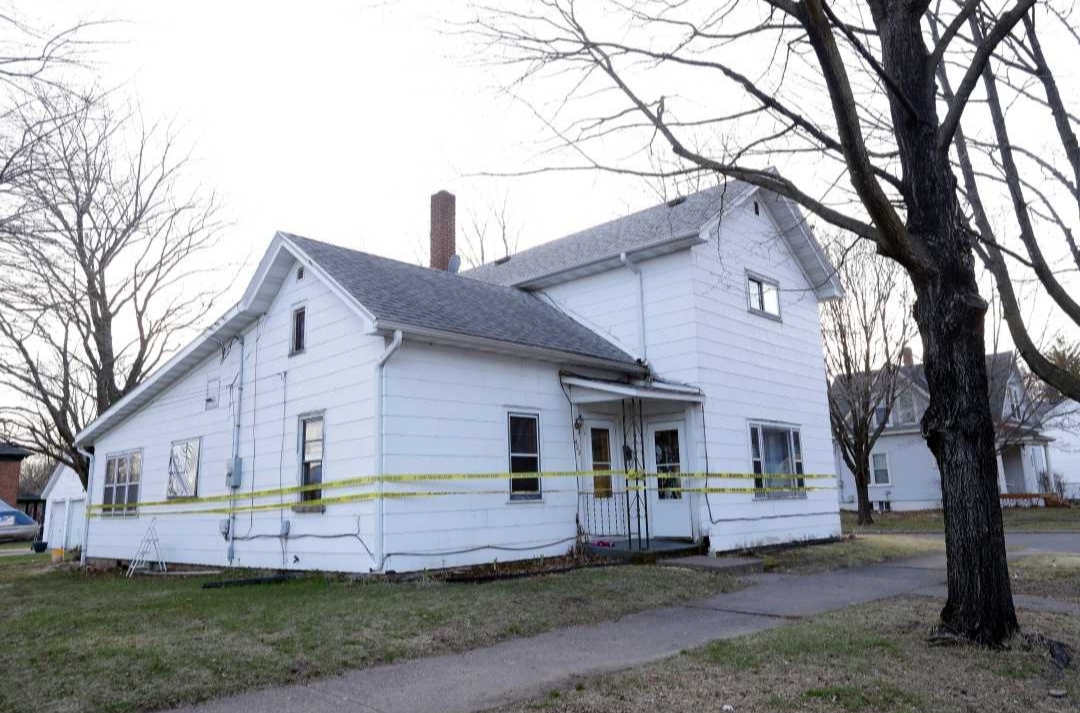
Peters-Berger was arrested just two days after his cousin was reported missing and told investigators he planned to rape and murder her “from the get-go,” according to CBS.
The teen first punched Lily in the stomach, beat her with a large stick and strangled her until she was dead, then sexually assaulted her, according to Fox 9, citing a criminal complaint.
USA TODAY Network via Reuters Connect
He then went home and showered and put his clothes in the laundry, the outlet reported.
After he heard his cousin had been reported missing, Peters-Berger went back to the body and attempted to “hide her better,” he reportedly told detectives.
Prosecutors successfully sought to try Peters-Berger as an adult after the horrific details of her death came to light while Lily’s smiling face was splashed across the news in the years ahead of the scheduled November 2026 trial.

But on August 5, prosecutors announced the trial was off and that a resolution hearing would be held just weeks later, leading to Wednesday’s guilty plea.
Peters-Berger’s first-degree sexual assault of a child and first-degree sexual assault charges were both dropped in the plea deal, the Milwaukee Journal reported.
He was also ordered to pay more than $30,000 in restitution, according to CBS.
Sources: NY Post