👑🏺 Hatshepsut’s Lost Mummy — Egypt’s Timeless Enigma
- MinhKhue
- March 2, 2026
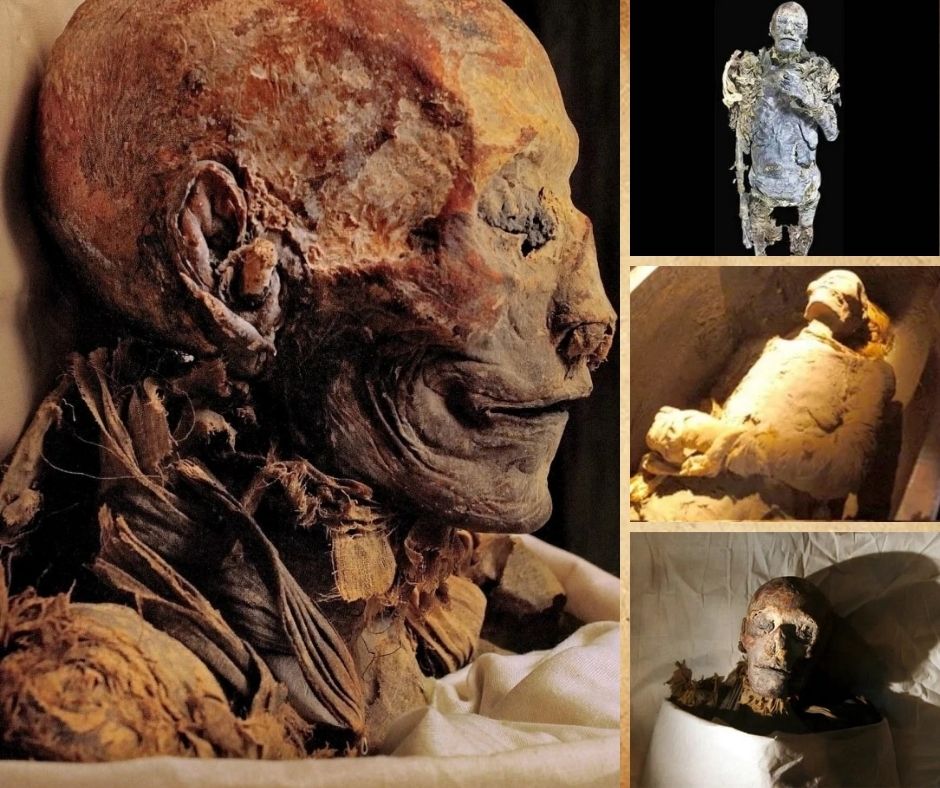
Hatshepsut, one of the most remarkable rulers of ancient Egypt, reigned during the 18th Dynasty (c. 1479–1458 BCE). She ruled as pharaoh in her own right, commissioning monumental building projects, including her famous mortuary temple at Deir el-Bahari.
 Yet despite the survival of her temples, statues, and inscriptions, her mummy remained a mystery for generations. 🔎
In the early 20th century, several royal mummies were discovered hidden at the Deir el-Bahari complex, placed there in antiquity to protect them from tomb robbers.
 Among them was an unidentified female mummy found in a tomb originally prepared for a nobleman. For decades, scholars debated whether this could be Hatshepsut.
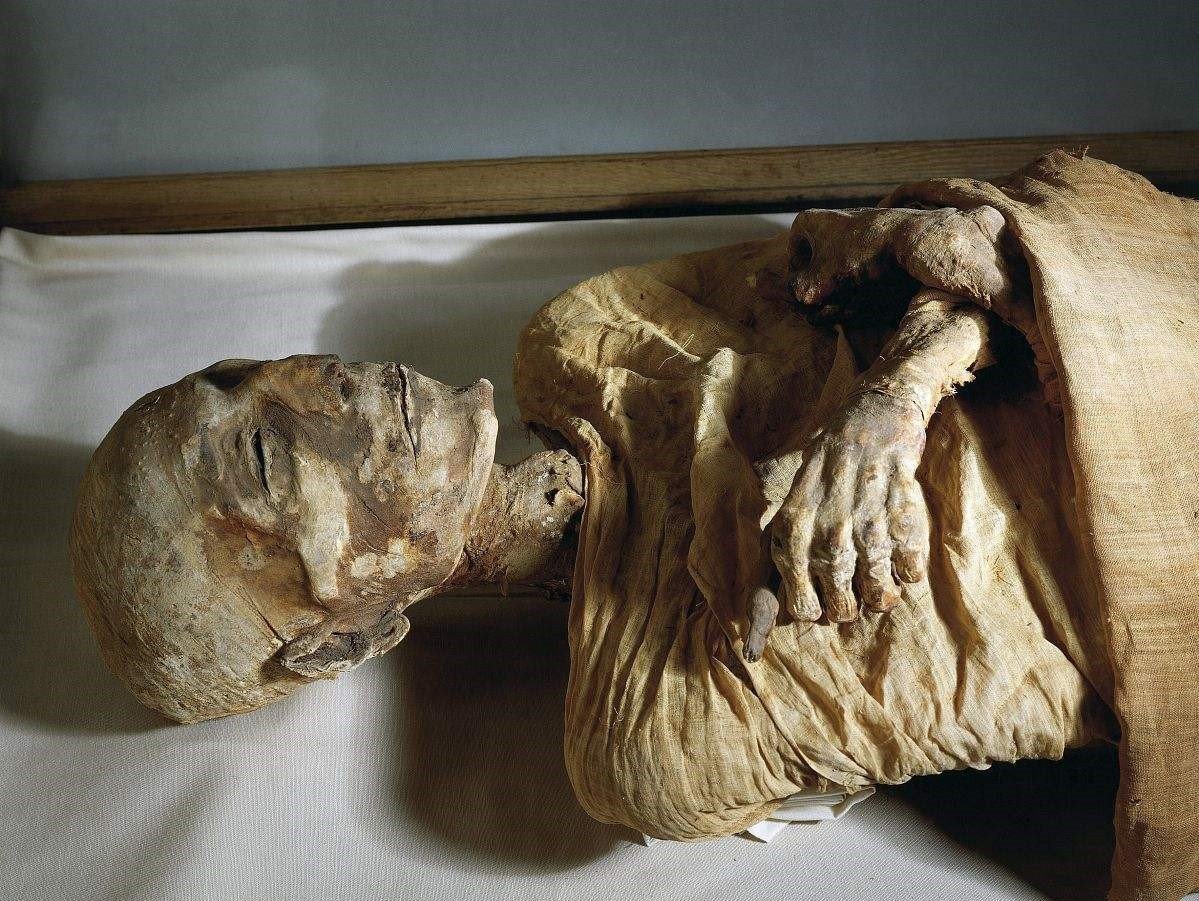 The breakthrough came in 2007, when scientific testing — including CT scans and dental comparisons — linked the mummy to a tooth found in a canopic box bearing Hatshepsut’s name. 🧬 The evidence strongly suggested that the long-lost pharaoh had finally been identified.
❗ The identification of Hatshepsut’s mummy resolved one of Egyptology’s greatest puzzles, reconnecting history with the physical remains of one of its most powerful female rulers.