More Than 1,000 Dead as Nepal Flood Disaster Traps Hundreds of Workers Underground
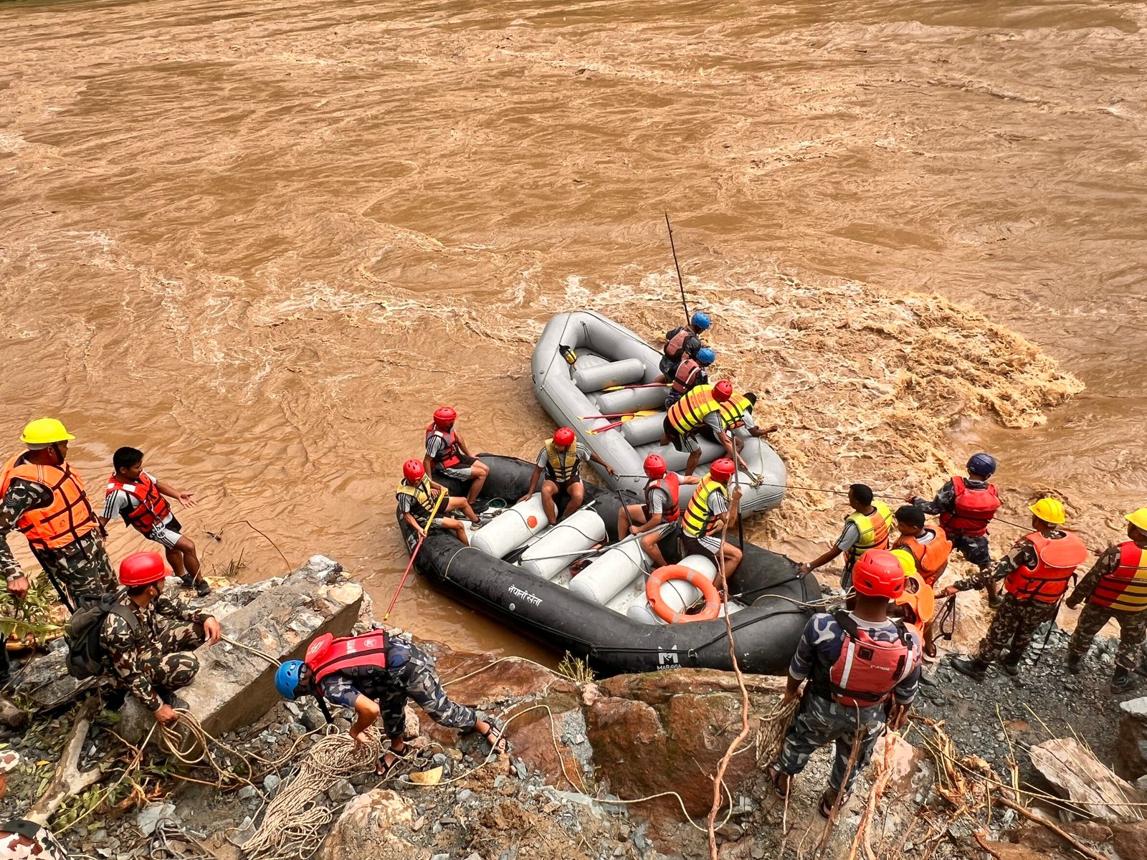
A catastrophic flood disaster along the Nepal-China border has killed more than 1,000 people, while thousands remain missing and rescue teams race to reach hundreds of workers believed to be trapped inside flooded hydropower tunnels.
The disaster began on August 26 after a massive collapse of ice and rock in the Himalayas unleashed a devastating surge of water, mud and debris downstream.
Entire sections of roads, bridges and buildings were swept away, leaving remote communities cut off from the outside world.
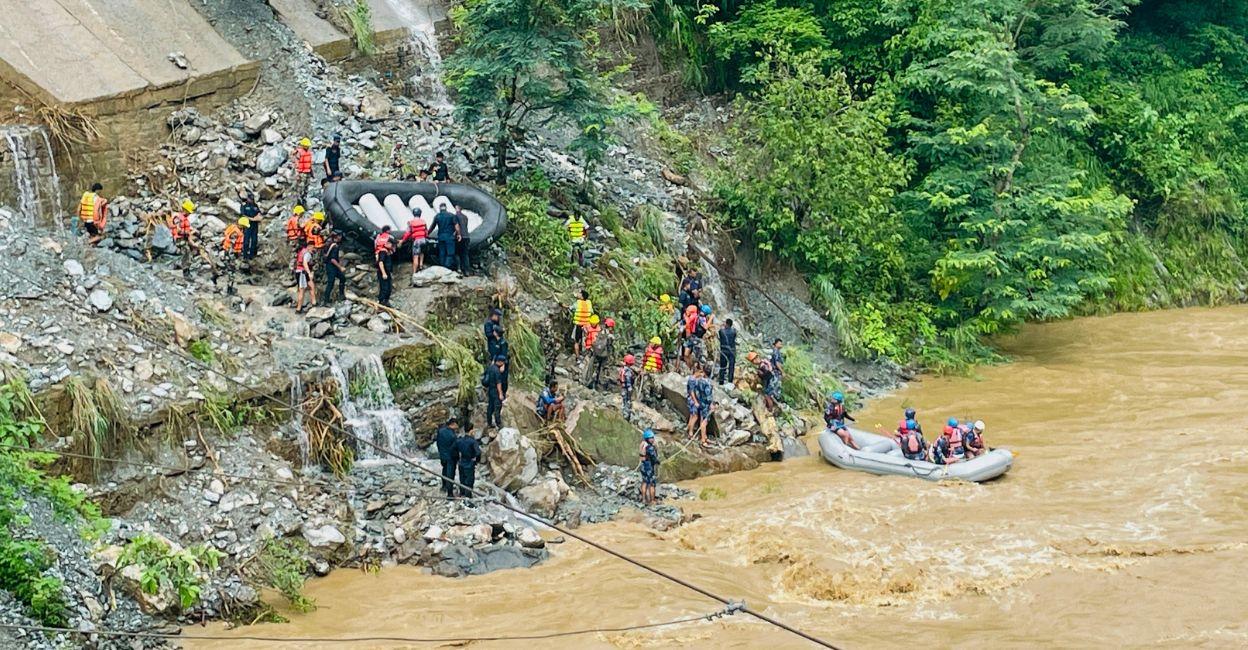
As of Tuesday, Nepal had recorded 987 deaths, while authorities in China reported another 16 deaths in Tibet, pushing the combined death toll above 1,000. Nepal also reported 3,916 people still missing, including hundreds of foreign nationals.
Hundreds May Be Trapped Underground
One of the most desperate rescue operations is taking place at Nepal’s damaged hydropower projects.
Around 900 workers remain unaccounted for across 12 hydropower sites, according to the Associated Press. About 500 are believed to be trapped inside enormous tunnels buried under mud and debris.
The tunnels are large enough for trucks to pass through, but many entrances have been blocked by enormous quantities of mud and rock.
Rescue teams are now digging through the debris and attempting to reach workers who may still be alive underground.
Some workers managed to call for help when the disaster struck.
At the Upper Trishuli-1 hydropower project in Rasuwa district alone, 576 people were reported missing, with around 300 believed to be inside the project’s tunnel system.
Four bodies have already been recovered from three mud-filled tunnels.
But rescuers are still searching for survivors.
A Race Against Time
The biggest challenge is time.
Workers trapped underground need breathable air, clean water and food. Experts warn that survival becomes increasingly difficult as the hours turn into days, particularly in tunnels filled with mud and debris.
The disaster happened nearly a week ago, meaning rescue crews are now racing against increasingly difficult conditions.
Temporary bridges and reopened roads have allowed rescuers to reach areas that were previously completely isolated.
More than 11,000 people have already been rescued, but hundreds remain trapped or unaccounted for.
Helicopters are being used to deliver aid and reach communities that remain inaccessible by road.
Entire Communities Buried in Mud
The destruction extends far beyond the hydropower sites.
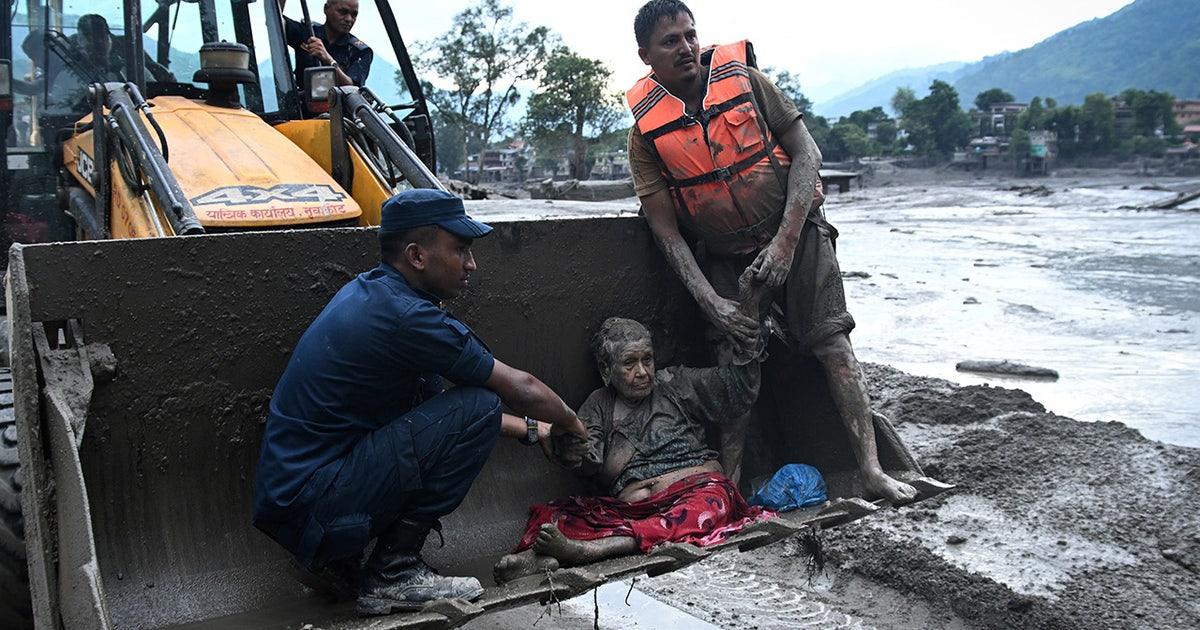
Floodwaters carried enormous amounts of rock, ice and mud through valleys, destroying homes and infrastructure and leaving survivors searching through the wreckage for relatives and belongings.
Satellite images show how dramatically parts of the Himalayan landscape have changed since the disaster.
In some communities, residents have been left with little more than damaged buildings and thick layers of mud.
Thousands of displaced people are now relying on emergency assistance as authorities struggle to restore roads, electricity and basic services.
A Glimmer of Hope
Amid the devastation, there have also been moments of extraordinary relief.
An Australian national who had previously been listed as missing in the disaster was found alive and has made contact with Australian officials and family members. Another Australian, 25-year-old Cara Severino, had also previously been located safely.
But for thousands of other families, there is still no answer.
They are waiting for news about loved ones who disappeared when the flood swept through their communities.
And deep beneath the mountains, rescuers continue digging through mud-filled tunnels.
They know every minute matters.
Because somewhere in the darkness, there may still be workers waiting to be brought home.
Course: NY Post