Dolly Parton Left No Children and Carl Dean Was Already Gone — So Who Gets Her Estimated $450 Million Fortune?
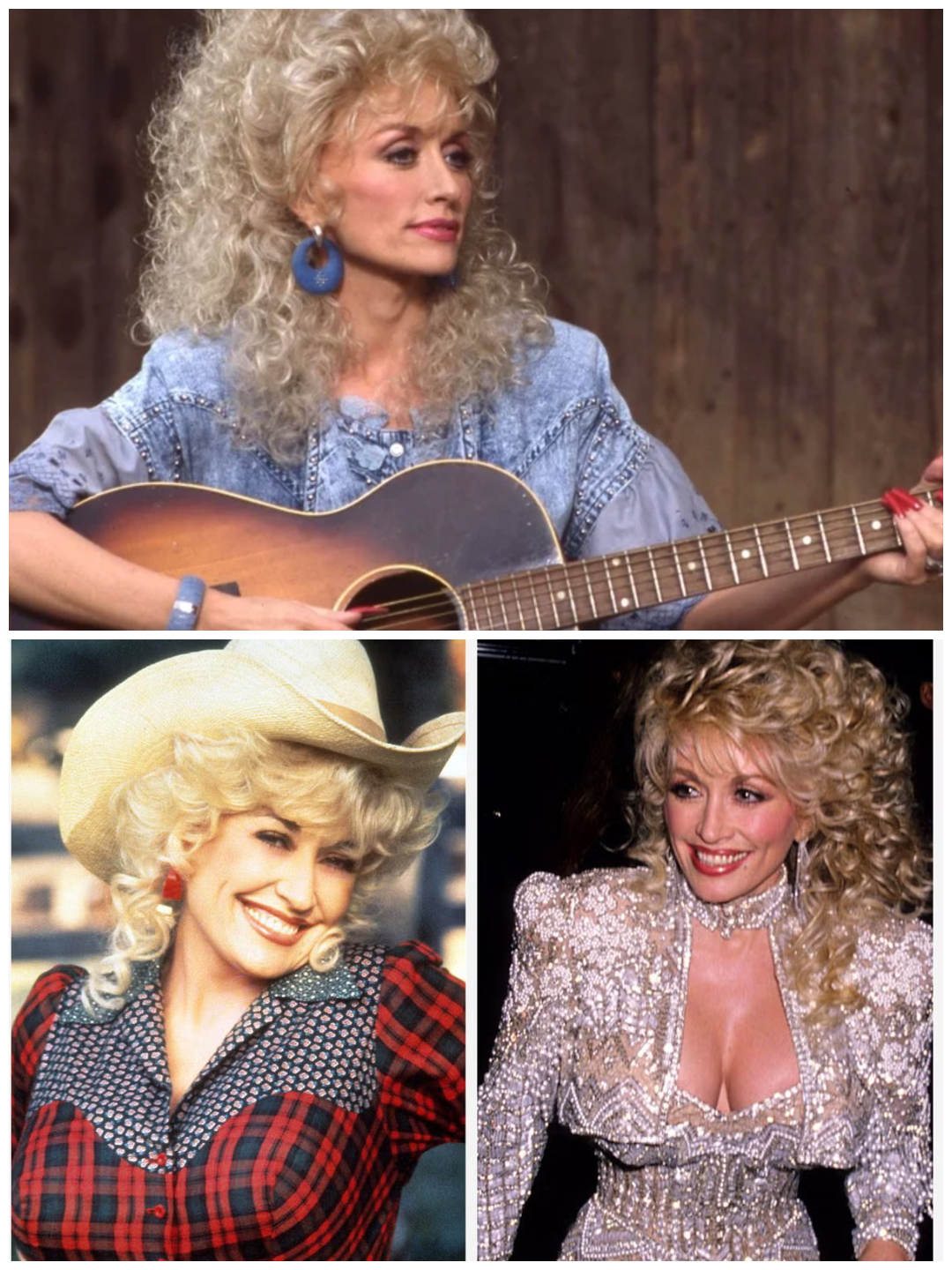
Dolly Parton spent more than six decades building something much larger than a music career.
There were the songs, of course.
“Jolene.”
“9 to 5.”
“I Will Always Love You.”
But there was also Dollywood, publishing rights, licensing deals, television and film interests, books, merchandise, real estate and an enormous collection of business ventures connected to one of the most recognizable names in American entertainment.
By the time Parton died at age 80, her fortune was estimated at roughly $450 million.
That immediately created an obvious question.
Who gets it?
Dolly had no children.
Her husband of nearly 60 years, Carl Dean, died before her.
She came from a famously large family, with 11 siblings, and spent her life supporting relatives, charitable causes and projects throughout Tennessee.
It would seem inevitable that eventually the public would learn exactly how she divided everything.
But according to estate attorneys familiar with Tennessee law, that may never happen.
If Parton structured much of her estate through private trusts, the details of her fortune — including exactly what she owned and who ultimately receives it — could remain largely outside public view.
In other words, one of the most famous women in America may have arranged one of the most private celebrity inheritances imaginable.
Dolly’s Fortune Was More Complicated Than Money in a Bank Account
A celebrity estate worth hundreds of millions of dollars rarely consists of a single pile of cash waiting to be divided.
Dolly’s was especially complicated.
One of her greatest assets was her music.
For decades, Parton understood the importance of controlling her publishing and ownership interests.
The most famous example came when Elvis Presley wanted to record “I Will Always Love You.”
Dolly was thrilled by the possibility.
Then Elvis’ manager, Colonel Tom Parker, wanted a substantial share of the song’s publishing.
Dolly refused.
She later said the decision made her cry, because she desperately wanted Elvis to record it.
But she kept the rights.
Years later, Whitney Houston’s recording of “I Will Always Love You” became a global phenomenon, validating Dolly’s instinct to protect ownership of her songs.
That catalog alone makes her estate unusually valuable.
Then there are her business interests.
Dolly’s name is connected to hospitality, entertainment, merchandise and licensing ventures, while her relationship with Dollywood and other Parton-branded projects adds another layer of complexity.
Some interests may be owned directly.
Others may be held through companies or partnerships.
Some intellectual property may generate income for decades.
That makes answering “Who gets the money?” far more complicated than reading a will and dividing a number.
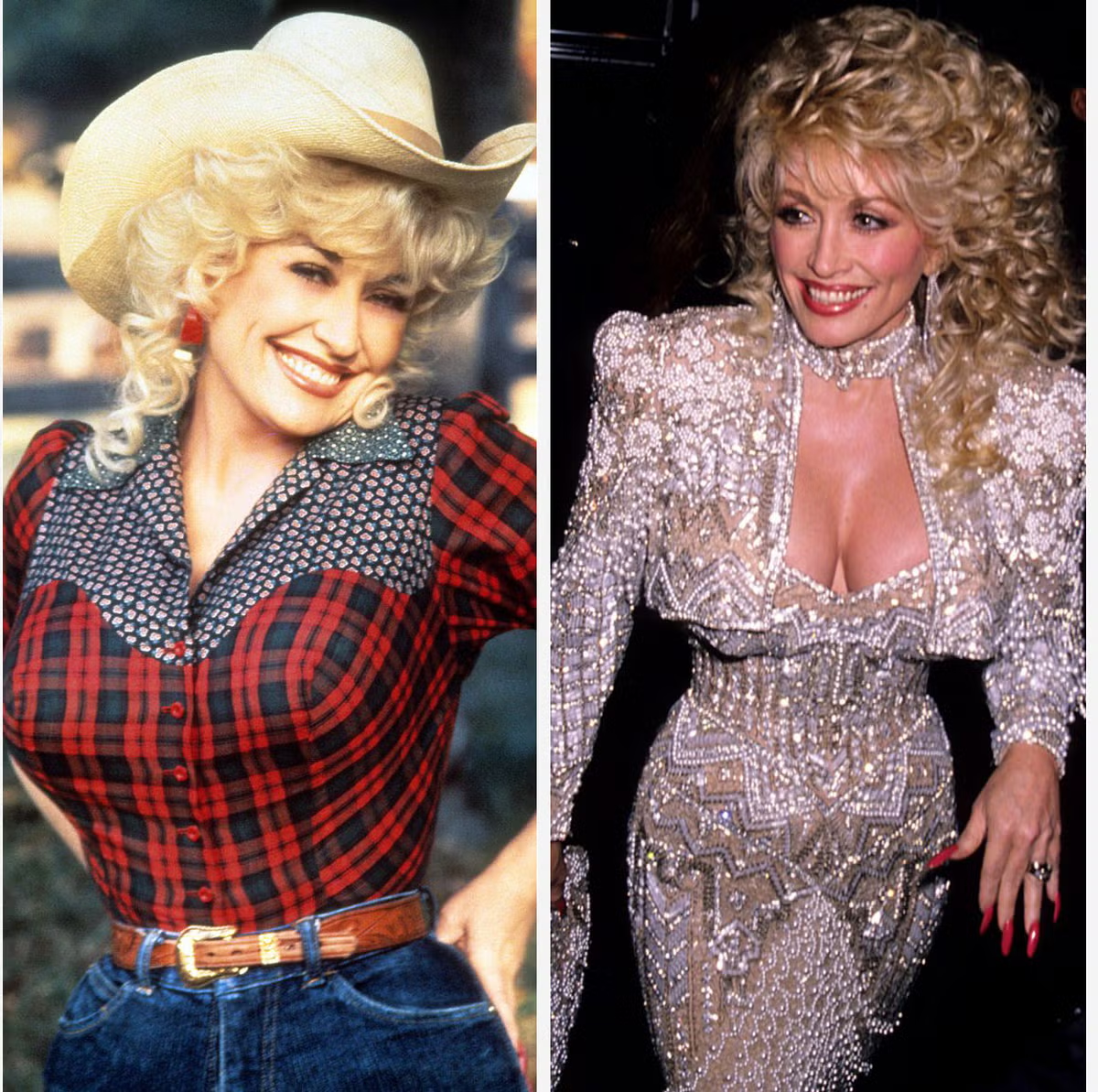
Carl Dean Would Have Been the Obvious Answer — But He Died First
For most of Dolly’s life, the simplest assumption would have been Carl Dean.
Dolly married Dean in 1966, before she became the superstar America would eventually know.
Their marriage survived nearly six decades despite the unusual circumstances surrounding it.
Dolly lived an intensely public life.
Dean avoided almost all of it.
He rarely appeared at industry events and had little interest in celebrity culture.
That difference somehow worked for them.
But Dean died before Dolly.
The couple also never had children.
That dramatically changes the public guessing game around her estate.
There is no surviving spouse automatically standing at the center of the inheritance story.
There are no sons or daughters who would naturally be expected to receive most of the fortune.
Instead, attention turns toward siblings, nieces and nephews, longtime charitable interests, trusted associates and whatever structures Dolly created while she was alive.
And that is where trusts become crucial.
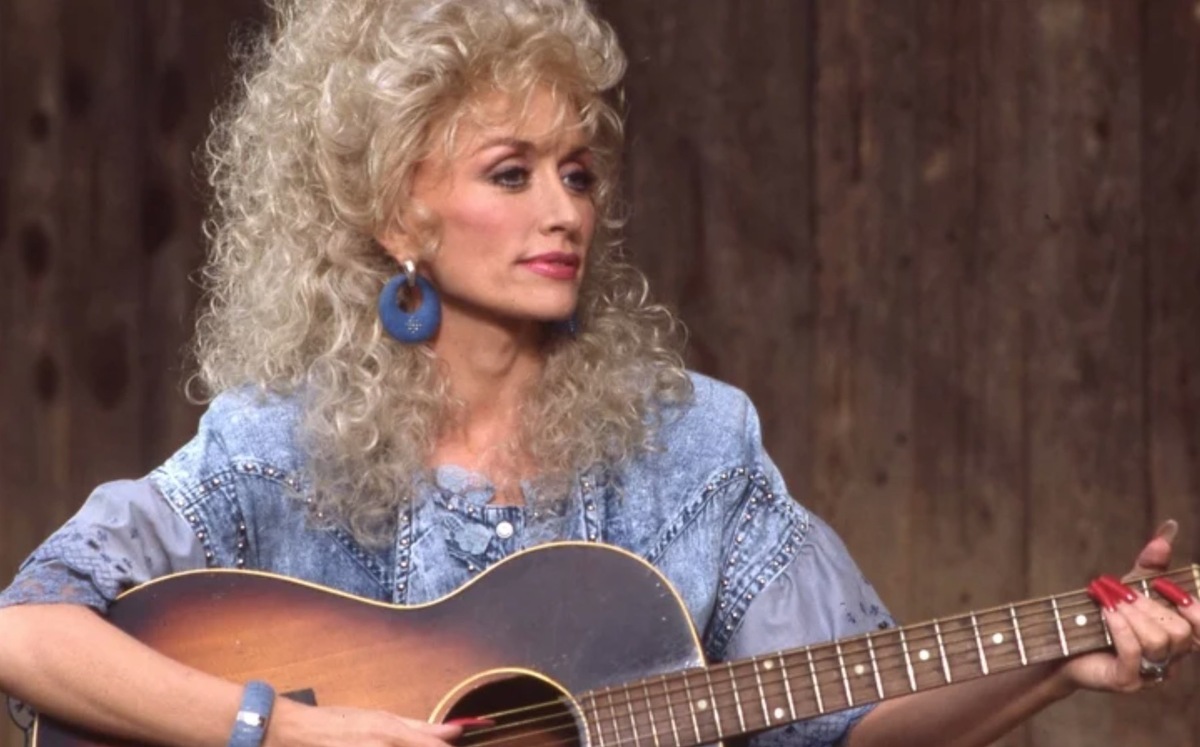
A Trust Can Keep the Most Interesting Details Private
When a person leaves assets through an ordinary will that passes through probate, portions of the process can become public.
That is why the estates of famous people sometimes produce headlines containing extraordinary detail.
The public may learn what properties someone owned.
Which relative received what.
How much money was placed into particular accounts.
Sometimes family disputes become visible because probate records are available.
A properly structured trust can operate very differently.
Assets held in a trust can often pass according to private instructions without going through the same public probate process.
That can mean outsiders never see a complete inventory.
They may never see the full list of beneficiaries.
And they may never know exactly how much each person receives.
For someone as famous as Dolly, privacy would be enormously valuable.
Her family members would not necessarily want their inheritances discussed publicly.
Business partners would not necessarily want complicated ownership structures reduced to tabloid headlines.
And Dolly herself spent much of her life carefully controlling the line between the Dolly Parton the world knew and the private life she protected.
A trust would fit that approach remarkably well.
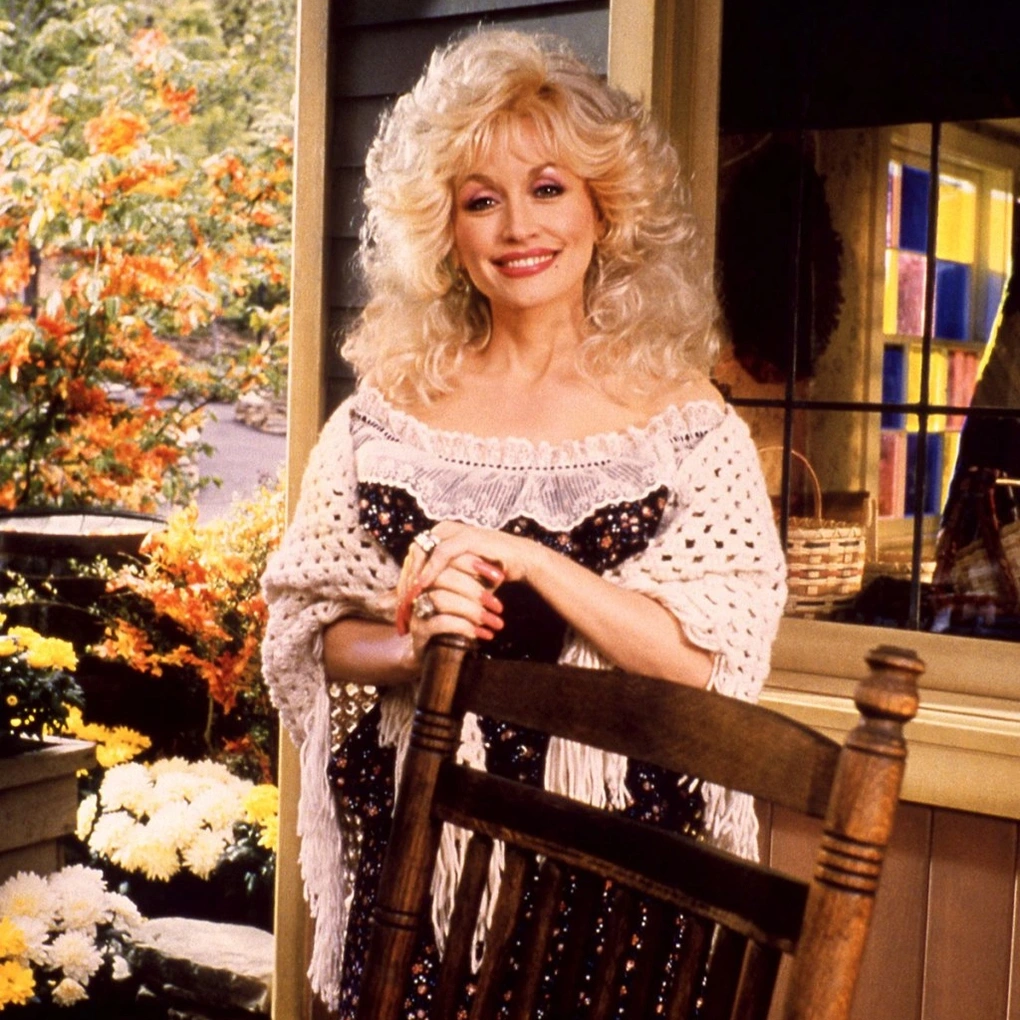
The $450 Million Figure Is Still Only an Estimate
Another important point is that celebrity net-worth figures are rarely equivalent to a final estate accounting.
The widely discussed estimate of roughly $450 million attempts to place a value on Dolly’s holdings and interests.
But the true number could differ substantially.
Music rights are difficult to value because their future income depends on licensing, streaming, new recordings and changing market conditions.
Private business interests may not have a simple public valuation.
Real estate changes in value.
Taxes, debts, charitable commitments and ownership arrangements can all affect what ultimately belongs to an estate.
Dolly also spent enormous amounts of money on philanthropy during her lifetime.
Her Imagination Library became one of the world’s best-known childhood literacy programs, providing books to millions of children.
She supported educational, medical and community causes.
So even a headline number approaching half a billion dollars does not tell outsiders exactly what was available to distribute after her death.
Her Large Family Makes the Mystery Even Bigger
Dolly frequently spoke about growing up as one of 12 children in a poor family in East Tennessee.
Her siblings remained an important part of her story even after she became wealthy.
That history naturally raises speculation that members of the Parton family could benefit from her estate.
But without public documents, speculation is all it is.
A trust could provide for relatives directly.
It could create income streams rather than large one-time inheritances.
It could place money aside for future generations.
It could support charitable organizations.
It could retain ownership of intellectual property while distributing profits according to Dolly’s instructions.
Or it could do several of those things simultaneously.
That flexibility is one reason wealthy families often rely on trusts.
The goal is not simply deciding who receives a check.
It is deciding how assets should be controlled for years or even generations.
Dolly Was Already Thinking Far Beyond Her Lifetime
There is another clue suggesting that Parton thought seriously about what would happen after she was gone.
Her longtime manager Danny Nozell has said Dolly helped create a detailed “project roadmap” for future releases and ventures.
That plan reportedly covered music, books, television, film projects, products and other ideas she had personally worked on or approved.
It suggests Dolly was not approaching the end of her life without planning.
She knew her name, music and businesses would continue generating activity after her death.
She prepared people to manage that future.
Estate planning would logically be part of the same mindset.
A catalog as valuable as Dolly’s cannot simply be handed out casually.
Someone must control licensing.
Someone must approve commercial uses.
Someone must protect trademarks.
Someone must decide which opportunities fit the legacy and which do not.
The estate is therefore not merely an inheritance.
It is an operating responsibility.
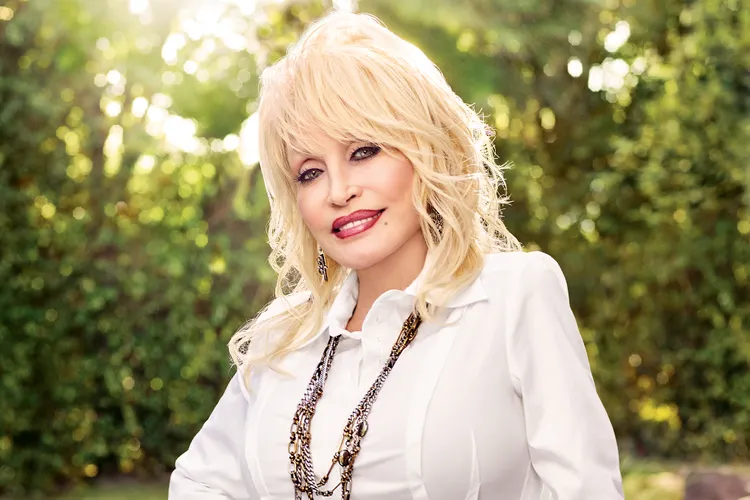
The Public May Never Know Who Got What
That may ultimately be the most surprising part of the story.
Dolly Parton spent most of her career in public.
People knew about her childhood.
They knew about her marriage.
They knew her jokes about plastic surgery.
They knew the stories behind many of her biggest songs.
She was remarkably open while still protecting certain boundaries.
Her fortune may become one of those boundaries.
Unless beneficiaries choose to speak publicly, a private trust could prevent fans from ever seeing a definitive list explaining where every asset went.
There may be no dramatic document saying one sibling received this amount, another relative received that property and a particular charity received the rest.
Instead, the most valuable pieces of Dolly’s empire could quietly continue operating according to instructions she created before her death.
And perhaps that is exactly how she wanted it.
Dolly Parton built an estimated fortune of hundreds of millions of dollars without children to inherit it and without her husband surviving her.
Everyone naturally wants to know who gets it.
The answer may already be written down somewhere.
The unusual part is that the rest of us may never get to read it.