Duane “Keffe D” Davis Convicted in Tupac Shakur Murder Nearly 30 Years Later
Duane “Keffe D” Davis Convicted in Tupac Shakur Murder Nearly 30 Years Later
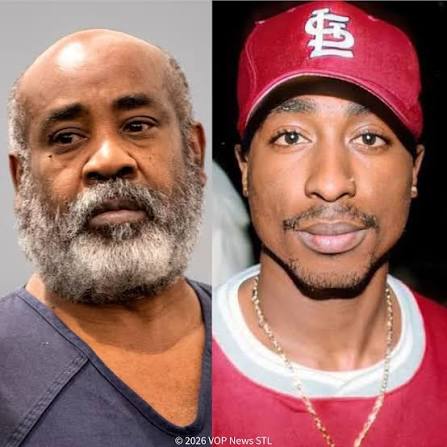
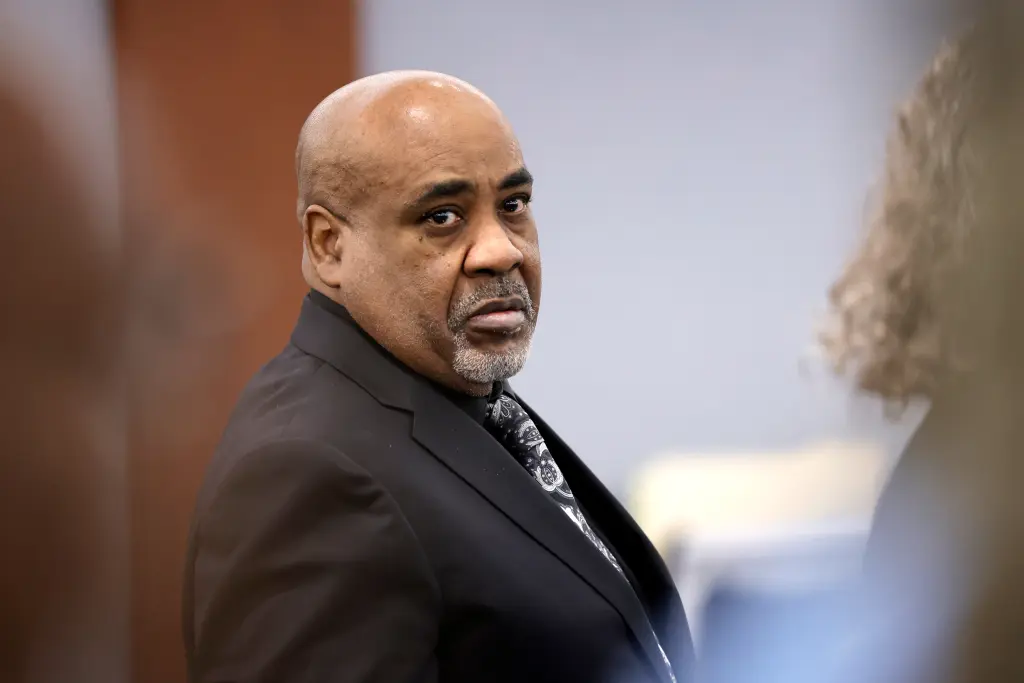
LAS VEGAS — Nearly three decades after Tupac Shakur was fatally shot in Las Vegas, a Nevada jury has found Duane “Keffe D” Davis guilty of murder for his role in orchestrating the attack.
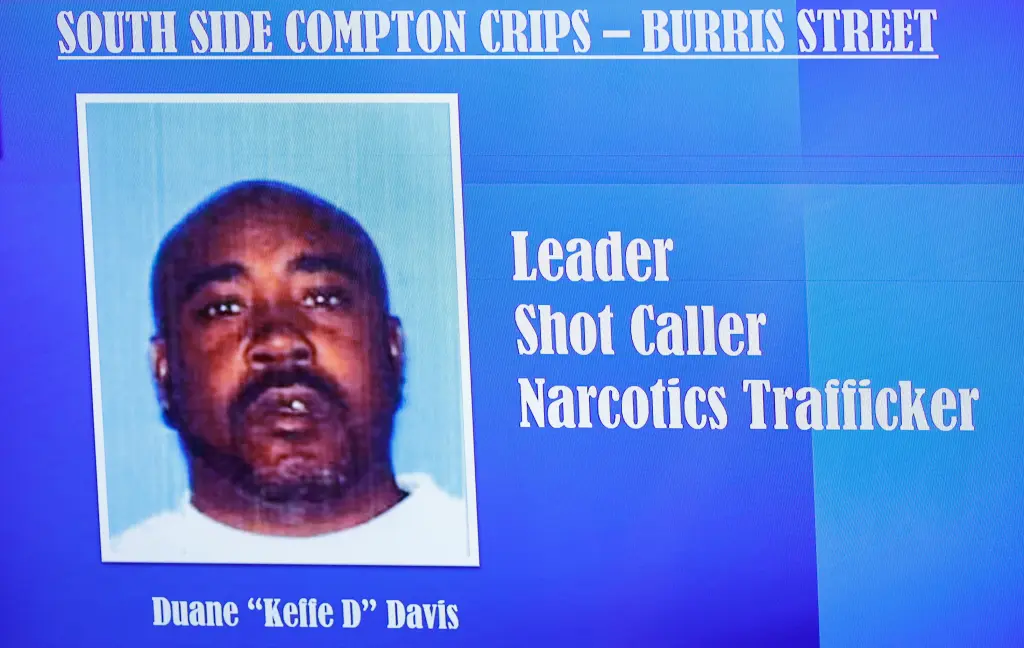
The 63-year-old former South Side Compton Crips gang leader was convicted Monday of first-degree murder with a deadly weapon. Davis was accused of helping plan the September 1996 drive-by shooting that killed Shakur, although prosecutors did not allege that Davis personally fired the fatal shots.
A Case That Remained Unsolved for Decades
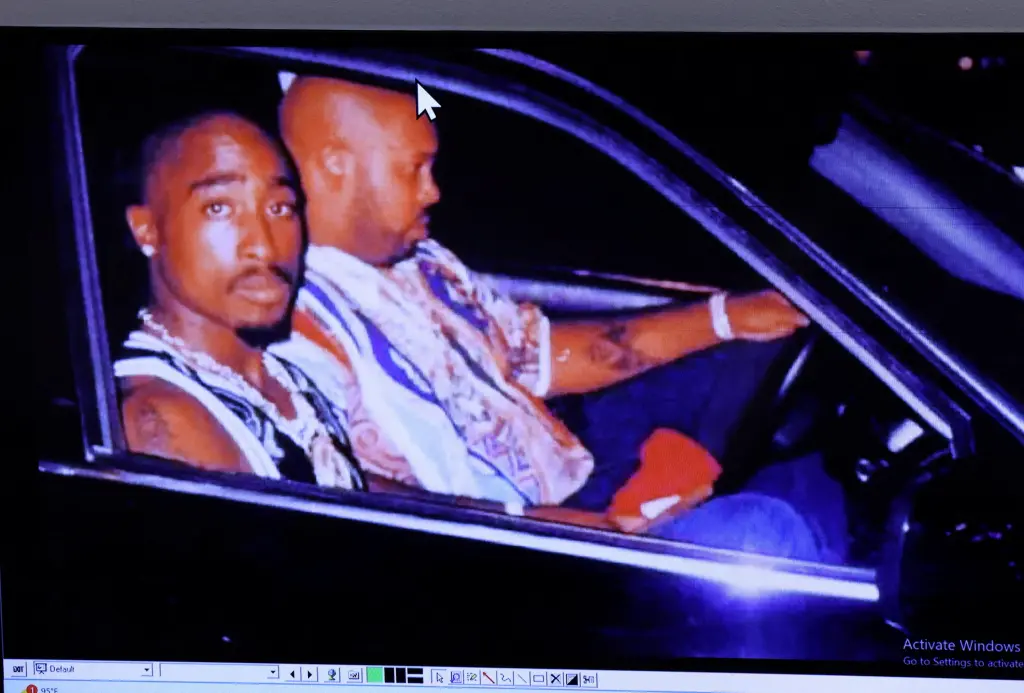
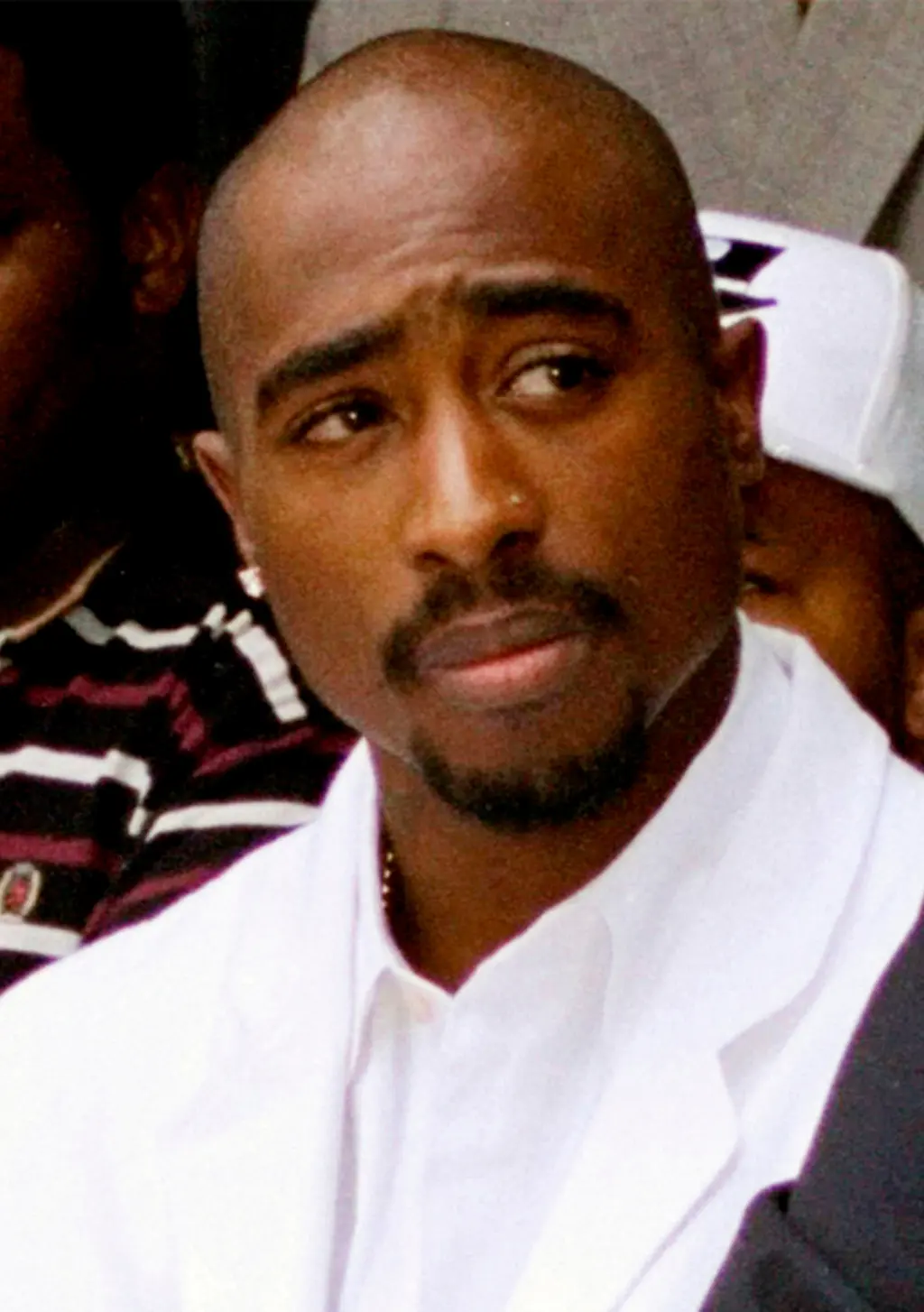
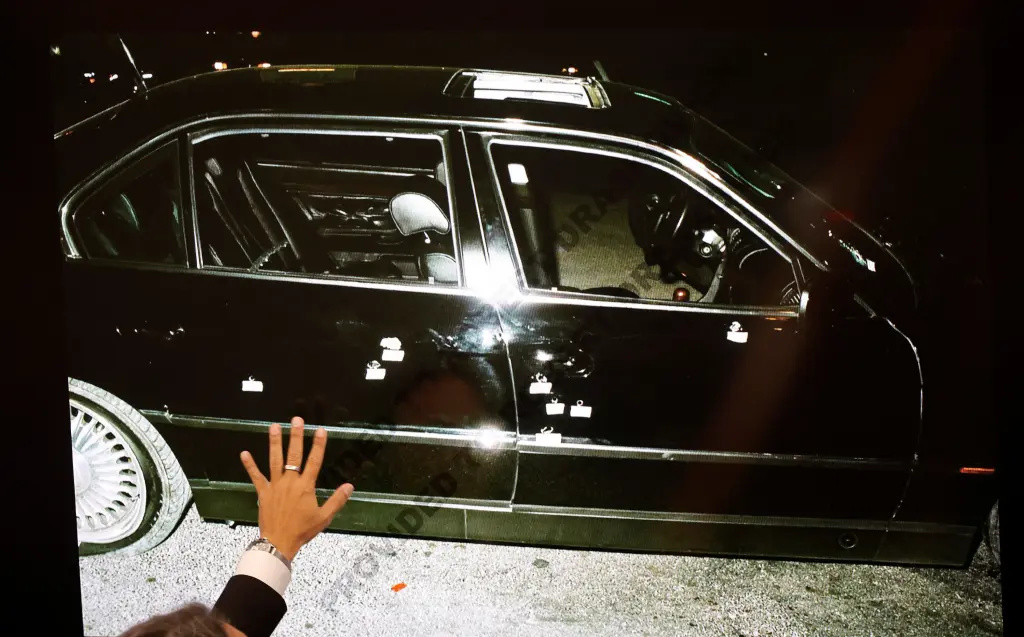
Shakur was shot on Sept. 7, 1996, while riding in a BMW with Death Row Records co-founder Marion “Suge” Knight after attending a Mike Tyson boxing match in Las Vegas.
Shakur was 25 years old.
He died six days later from his injuries, leaving behind one of the most enduring unsolved murder mysteries in music history.
For years, no one was charged in connection with the killing.
That changed after Davis began speaking publicly about his alleged involvement.
Prosecutors Relied on Davis’ Own Words
A major part of the prosecution’s case came from Davis himself.
Investigators presented statements he made during police interviews, appearances in documentaries and his 2019 memoir, “Compton Street Legend.”
Prosecutors argued that Davis had described how he and several associates pursued Shakur following a confrontation earlier that night involving Davis’ nephew, Orlando “Baby Lane” Anderson.
According to prosecutors, Shakur and members of his entourage had assaulted Anderson at the MGM Grand. They said the confrontation motivated Davis and his group to seek revenge.
The prosecution argued that Davis obtained the firearm and coordinated the attack before passing the weapon to another person in the vehicle.
Anderson has long been identified as the suspected shooter, but he was killed in an unrelated gang shooting in 1998 and was never charged in Shakur’s death.
Defense Says Davis’ Story Couldn’t Be Trusted
Davis’ defense team argued that his statements should not be treated as reliable confessions.
Attorney Michael Sanft portrayed the memoir and other accounts as exaggerated stories designed to make money and attract attention.
The defense also emphasized that investigators had no DNA, fingerprints or other physical evidence directly placing Davis inside the vehicle at the time of the shooting.
But prosecutors countered that Davis had repeatedly described his involvement over many years and that his statements were supported by other evidence presented during the trial.
The jury ultimately rejected the defense’s argument.
Why Davis Could Be Convicted Without Pulling the Trigger
The case centered on Davis’ alleged role as the person who organized and directed the attack.
Under Nevada law, a person can be held responsible for murder when they participate in a conspiracy or help orchestrate a killing, even if they are not the individual who physically fires the weapon.
Prosecutors therefore presented Davis as the organizer of the attack, rather than the gunman.
Three other men believed to have been inside the Cadillac that night are now deceased, leaving Davis as the only person who could be prosecuted for the killing.
A Long-Awaited Verdict
The jury deliberated for roughly three hours before returning the guilty verdict.
Members of Shakur’s family reacted emotionally in the courtroom and later embraced the prosecutors.
Davis, meanwhile, indicated that he intends to appeal the conviction.
He remains in custody without bail.
His sentencing is scheduled for Oct. 13, 2026, and he faces the possibility of life in prison.
A New Chapter in Tupac’s Legacy
Tupac Shakur’s death has remained one of the defining tragedies in hip-hop history.
The rapper had already become a global superstar by the age of 25, with albums such as All Eyez on Me cementing his place among the most influential artists of his generation.
His murder also became intertwined with the bitter East Coast–West Coast tensions surrounding the 1990s rap scene, although prosecutors in Davis’ trial focused specifically on the gang-related confrontation that occurred hours before the shooting.
After nearly 30 years of questions, speculation and competing theories, the conviction represents the first criminal judgment against someone for Tupac Shakur’s killing.
For Tupac’s family and millions of fans, the verdict closes one of the longest-running chapters in hip-hop’s history — even as Davis prepares to appeal.