Dolly Parton Was 13 When Johnny Cash Called Her Onto the Grand Ole Opry Stage — But That Wasn’t What She Remembered Most
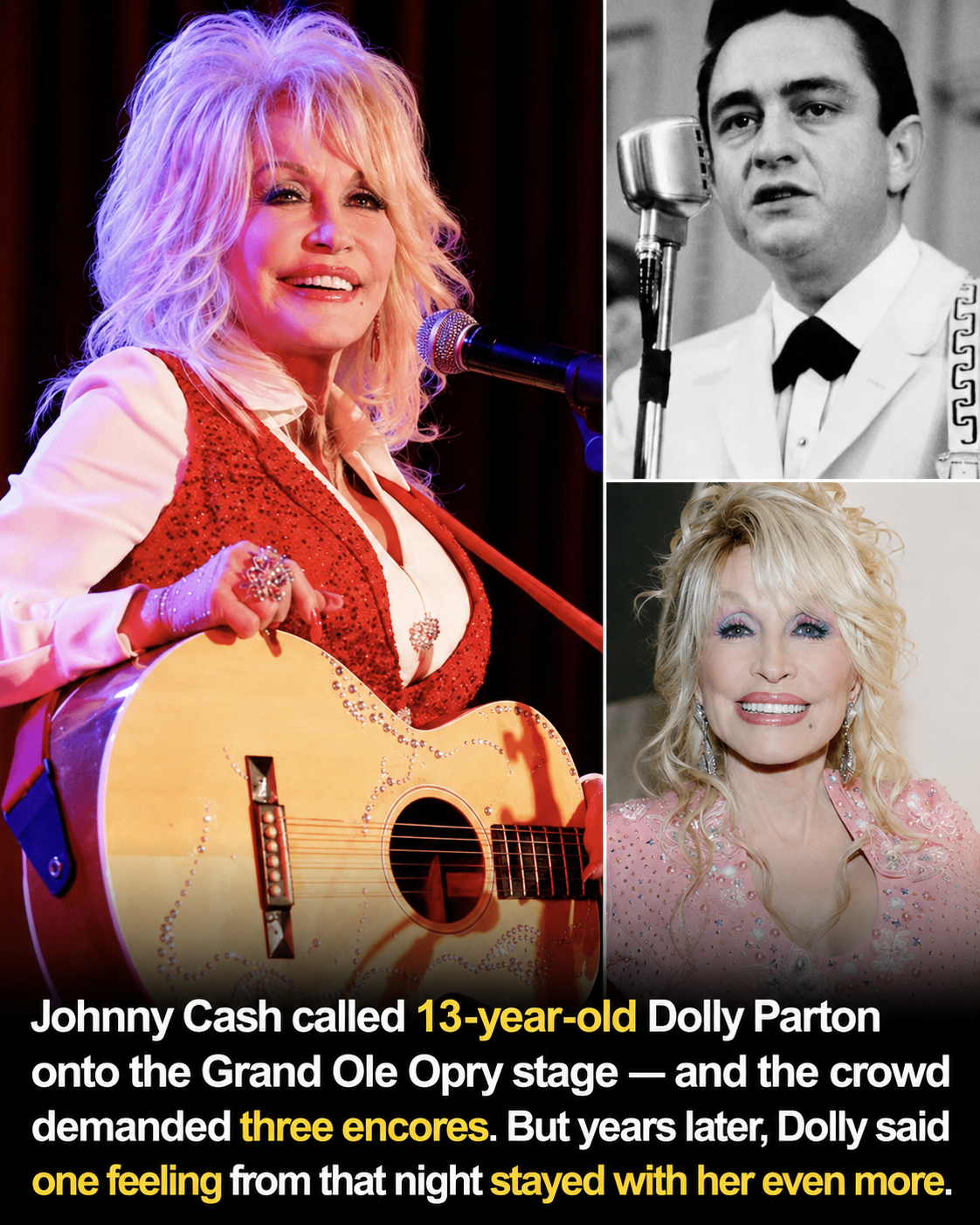
Long before Dolly Parton became one of the most recognizable figures in country music, she was a 13-year-old girl standing backstage at the Grand Ole Opry with an enormous dream.
It was 1959.
Dolly was still years away from “Jolene,” “Coat of Many Colors,” “9 to 5” or “I Will Always Love You.”
She was not yet a Nashville superstar.
She was a teenager from East Tennessee who loved music enough to chase any opportunity that might put her close to the people she heard on the radio.
Then one of country music’s biggest rising stars helped create a night she would remember for the rest of her life.
Johnny Cash introduced her to the Grand Ole Opry audience.
Dolly walked onto the stage and sang “You Gotta Be My Baby.”
The crowd responded so strongly that she was reportedly called back for three encores.
For a 13-year-old aspiring singer, that alone should have been the unforgettable part.
But years later, when Dolly talked about meeting Johnny Cash that night, she remembered something else too.
She said seeing Cash in person helped her understand something she had barely understood before.
Sex appeal.
Dolly Was Already Chasing Music Before Most Children Knew What They Wanted
Dolly’s fascination with performing began extraordinarily early.
Growing up in a large family in the mountains of East Tennessee, she was surrounded by music even when money was scarce.
Church songs, family singing and country radio all became part of her education.
She started writing songs as a child.
She performed on local radio and television.
And she quickly developed the belief that Nashville was where she belonged.
The Grand Ole Opry represented almost everything a young country singer could dream about.
For decades, appearing there had been a symbol that an artist had entered country music’s most important room.
Dolly wanted that world desperately.
At 13, she was still much too young to know whether it would ever truly belong to her.
Then came the opportunity to step onto that famous stage.
And Johnny Cash was the person who helped introduce her.
Johnny Cash Was Already Impossible to Ignore
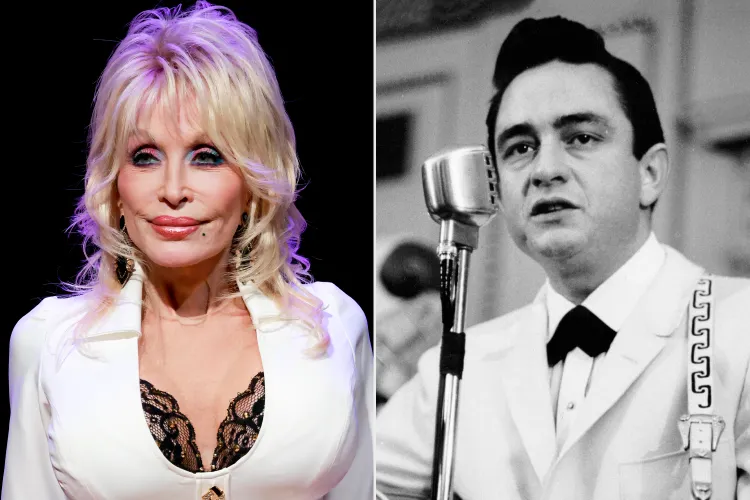
Cash was still relatively early in his own career in 1959, but he had already created a presence unlike almost anyone else in country music.
His deep voice stood out immediately.
So did the intensity of his performances.
He did not need elaborate costumes or complicated stage movement.
There was something about the way Cash stood, sang and looked at an audience that commanded attention.
For a teenage Dolly, encountering him in person was apparently overwhelming.
She had seen attractive men before.
But Johnny Cash was different.
Years later, Dolly described that meeting as one of the moments when she first really understood the meaning of “sex appeal.”
She was only 13, and she recalled being struck by the force of his charisma.
Cash was not simply handsome.
There was something almost dangerous about the way he carried himself.
The teenage girl who would eventually build one of entertainment’s most famous glamorous personas suddenly understood why adults talked about certain performers as having an attraction that went beyond conventional good looks.
Johnny Cash had it.
And Dolly noticed.
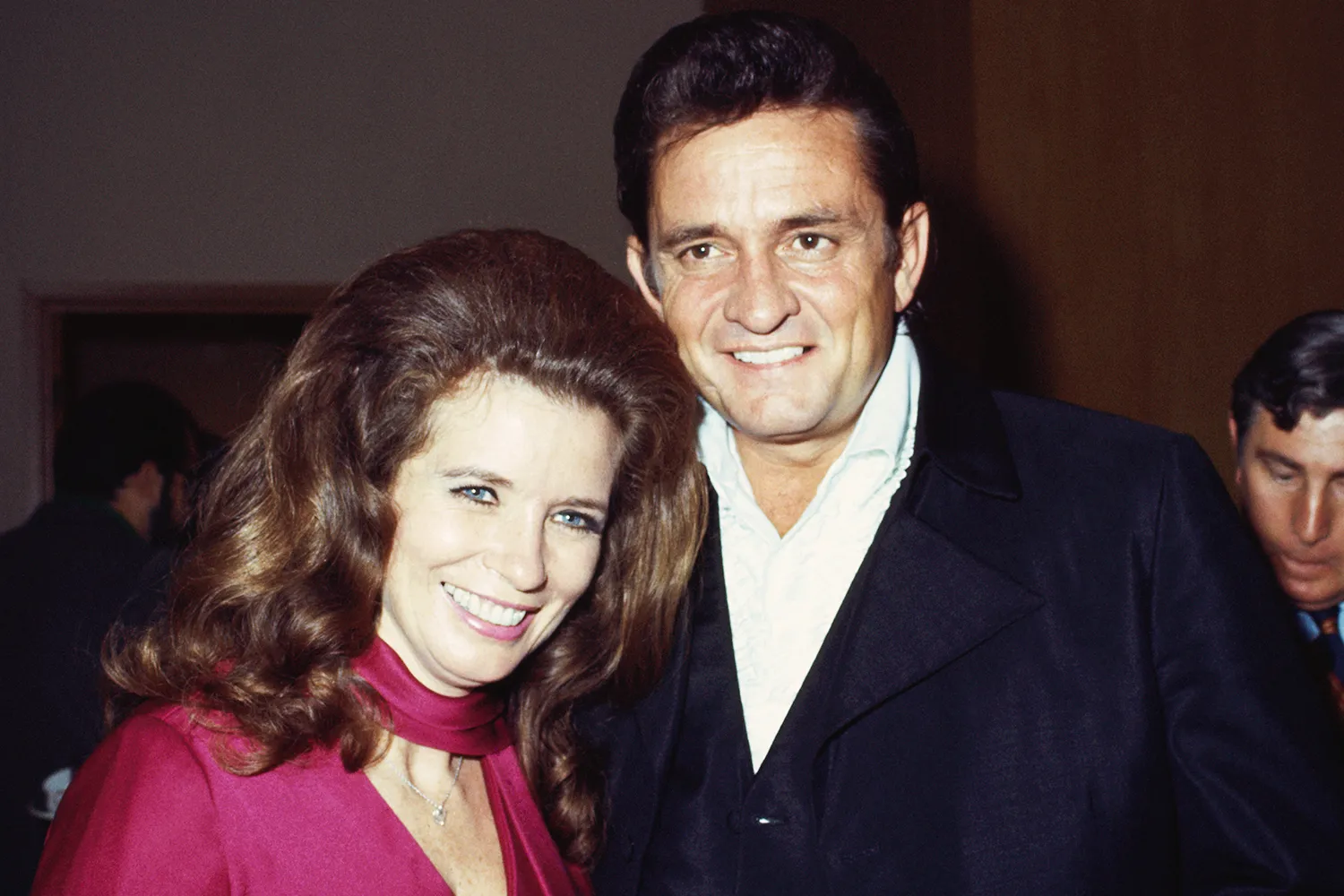
Then Cash Introduced Her to the Opry Crowd
The contrast makes the story even better.
Dolly was backstage being dazzled by Johnny Cash.
Then Cash helped send her out in front of one of the most intimidating audiences a young country singer could face.
She performed “You Gotta Be My Baby,” a song associated with George Jones.
Dolly was tiny, young and unknown to most of the people in the room.
But once she began singing, the audience responded.
She was reportedly brought back for three encores.
Imagine what that must have felt like.
A few years earlier, Dolly had been a little girl singing around home.
Now Grand Ole Opry listeners were demanding that she return to the stage.
It was an early indication that the voice coming from this 13-year-old was not ordinary.
For Dolly, it also provided something enormously valuable.
Confirmation.
The dream of becoming a professional singer suddenly seemed a little less impossible.
She Still Had a Long Way to Go
That night did not instantly make Dolly famous.
There was no fairy-tale moment where a record executive rushed backstage and immediately turned her into a star.
The years ahead would still require persistence.
Dolly moved to Nashville after graduating from high school in 1964.
She struggled to establish herself initially as a performer and found early success as a songwriter.
She eventually joined Porter Wagoner’s television show, which introduced her to a much larger country audience.
Only after years of work did the Dolly Parton known around the world begin to fully emerge.
That makes the 1959 Opry appearance even more fascinating.
It was not the moment her career was completed.
It was a glimpse of the future.
Dolly had stood on one of country music’s most important stages before she was old enough to drive.
And Johnny Cash had been standing nearby.
Dolly and Johnny Cash Would Become Peers
The relationship between their names also changed dramatically over time.
In 1959, Cash was the established star introducing an unknown teenage singer.
Decades later, Dolly Parton and Johnny Cash would be discussed as two giants of American country music.
Cash became the Man in Black, famous for songs including “I Walk the Line,” “Ring of Fire” and “Folsom Prison Blues.”
Dolly created an equally distinctive legacy through songwriting, recordings, movies, business and philanthropy.
Eventually, neither needed an introduction.
That makes the image of 13-year-old Dolly looking at Cash with teenage awe especially charming.
History had not yet placed them side by side.
She was simply a girl looking at a famous singer and thinking that she had suddenly discovered what adults meant by sex appeal.
Cash Later Gave Dolly Advice That Stayed With Her
Johnny Cash would eventually matter to Dolly for reasons beyond that first physical impression.
As her career developed, Dolly encountered pressure about how she should present herself and what kind of artist she should become.
She would later recall Cash giving her advice that reinforced something she already felt instinctively: she should follow her own path rather than allow the industry to completely reshape her.
That independence became one of the defining features of Dolly’s career.
She protected her songwriting.
She made bold business decisions.
She crossed from country into pop and movies without completely abandoning the identity that had made her distinctive.
The teenage crush eventually gave way to professional respect.
But Dolly never forgot the first impression.
Three Encores — and One Very Different Lesson
Looking back, the obvious headline from that 1959 night should have been Dolly Parton’s performance.
She was 13 years old.
Johnny Cash introduced her.
She stepped onto the Grand Ole Opry stage.
She sang.
And the crowd wanted more.
Three encores from an Opry audience would be enough to become a treasured memory for any aspiring country performer.
Yet Dolly’s recollection contained the kind of detail that made her such an entertaining storyteller.
Yes, the Opry mattered.
Yes, the applause mattered.
But she also remembered looking at Johnny Cash.
Something about his voice, appearance and presence hit the teenage Dolly with a force she had not experienced before.
Suddenly, a phrase she had heard adults use made sense.
Sex appeal.
Years later, Dolly Parton would become a performer whose own combination of talent, glamour and charisma could stop a room.
But one of the first people to teach her what that kind of magnetism looked like was the man who introduced her to the Grand Ole Opry audience when she was just 13.
Johnny Cash gave Dolly Parton an introduction that night.
In more ways than one.