Dolly Parton Promised Wildfire Victims $1,000 a Month — Then the Final Check Arrived With a Stunning Surprise
When wildfires tore through East Tennessee in late 2016, hundreds of families lost far more than property.
Homes disappeared.
Possessions collected over decades were gone.
Entire neighborhoods around the Gatlinburg and Sevier County area were left trying to understand how to start over.
For Dolly Parton, the disaster was especially personal.
This was the region that had shaped her life, her music and much of the public identity she had carried for decades. She had grown up in the mountains of East Tennessee, and she had never stopped talking about the people she still called “my people.”
So when families were suddenly left without homes, Dolly moved quickly.
She created the My People Fund with a simple promise: families who had lost their primary residences in the fires would receive $1,000 every month for several months while they tried to rebuild their lives.
More than 900 families eventually received assistance.
For people dealing with mortgages, temporary housing, clothing, food and countless other unexpected expenses, the money offered something badly needed: immediate help without complicated conditions.
But months later, when families arrived to collect what they believed would be their final $1,000 payment, Dolly had one more surprise waiting.
The last check was not for $1,000.
It was for $5,000.
And that unexpected final payment brought the total direct assistance to roughly $10,000 for each participating family.
The Fires Hit Dolly’s Home Region
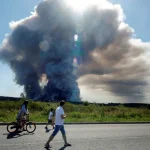
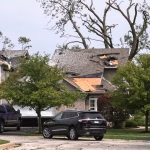
The 2016 wildfires around Gatlinburg became one of the most destructive disasters in the history of the area.
Flames spread rapidly through the mountains, damaging and destroying homes and businesses and forcing thousands of people to evacuate.
For Dolly, the images were particularly painful because Sevier County was not simply another place on the map.
She had been born and raised nearby.
Her songs repeatedly referenced the Tennessee mountains.
Dollywood, the theme park that carried her name, was located in the region.
Her career had taken her around the world, but East Tennessee remained central to the story she told about herself.
Dolly had often spoken proudly about coming from a family that had very little money.
Now she was watching families from the same community suddenly lose almost everything.
Her response was not just to encourage donations.
She wanted to put money directly into the hands of the people who needed it.
A Simple Promise: $1,000 Every Month
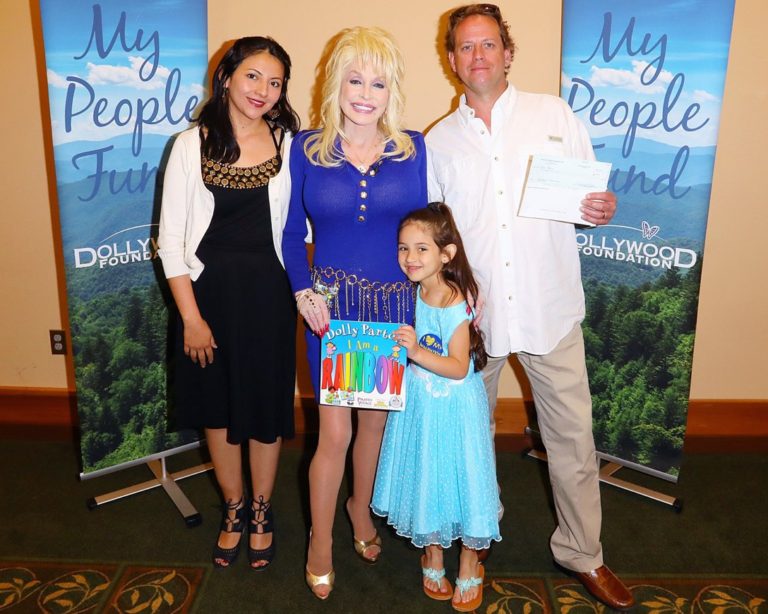
Through the Dollywood Foundation, Dolly announced the creation of the My People Fund.
The plan was unusually straightforward.
Families whose primary residences had been completely destroyed or rendered uninhabitable by the wildfires could receive $1,000 per month for a set period.
That direct-payment structure mattered.
Disaster recovery can involve paperwork, insurance claims, government assistance and long delays.
But immediate expenses do not wait.
People need somewhere to sleep.
They need clothing.
They need food.
They may have to continue paying bills even while figuring out whether their home can be rebuilt.
A recurring monthly payment could not replace a house, but it could provide breathing room.
The fund eventually helped more than 900 families.
Dolly’s name drew enormous attention to the effort, and donations began arriving from people who wanted to help the region recover.
The Donations Exceeded Expectations
The original commitment was already significant.
Giving $1,000 a month to hundreds of families required millions of dollars.
But the public response to the fund was stronger than expected.
Money continued to come in.
A nationally televised benefit helped raise additional support.
Fans, companies and other donors contributed.
As the fund grew, Dolly and the people managing the program realized they could do more than they had initially promised.
That decision created the surprise that families would encounter during the final distribution.
They had been receiving checks in predictable amounts.
Another $1,000 would have been welcome.
Instead, the last envelope contained five times that amount.
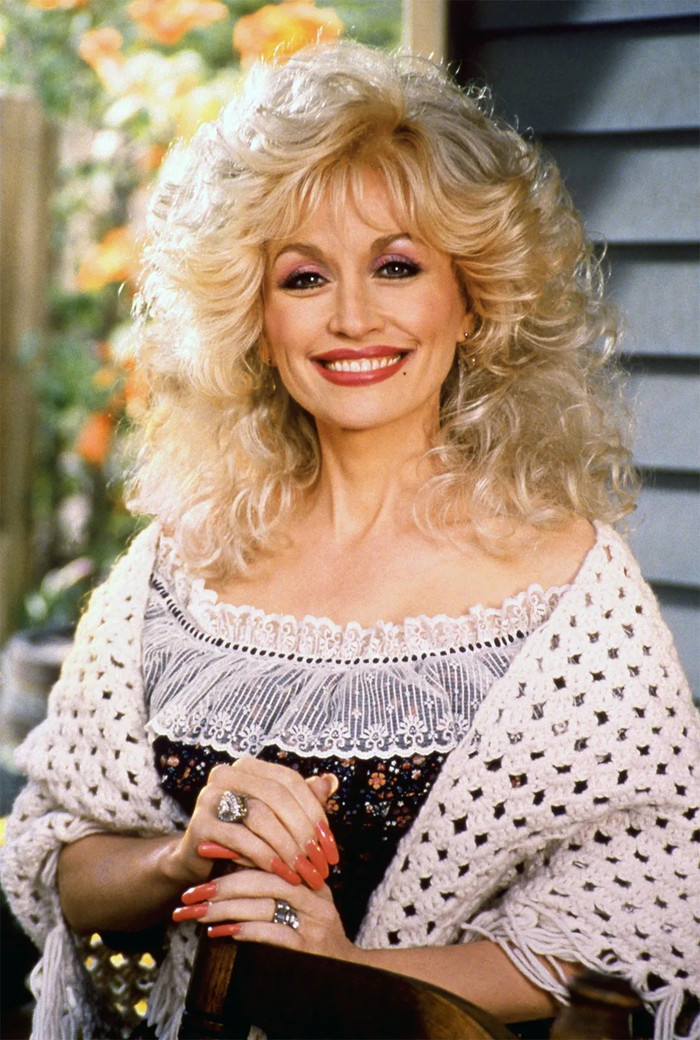
The Final Check Was $5,000
At the final distribution, qualifying families received $5,000 rather than the $1,000 they had expected.
It changed the total support dramatically.
Combined with earlier monthly payments, each family received approximately $10,000 in direct financial assistance from the My People Fund.
For a household rebuilding after a disaster, an unexpected additional $4,000 could make a meaningful difference.
It could help with a security deposit.
Furniture.
Construction costs.
Insurance deductibles.
Transportation.
Medical bills.
Or simply the enormous number of expenses that appear when a family has to reconstruct daily life almost from scratch.
There was also something emotionally powerful about the timing.
The families were reaching the end of the program.
They knew the payments were about to stop.
Instead of the final month quietly bringing the assistance to a close, Dolly’s fund ended with its largest payment.
Dolly Showed Up Herself
For some of the families collecting their final checks, there was another surprise.
Dolly was there.
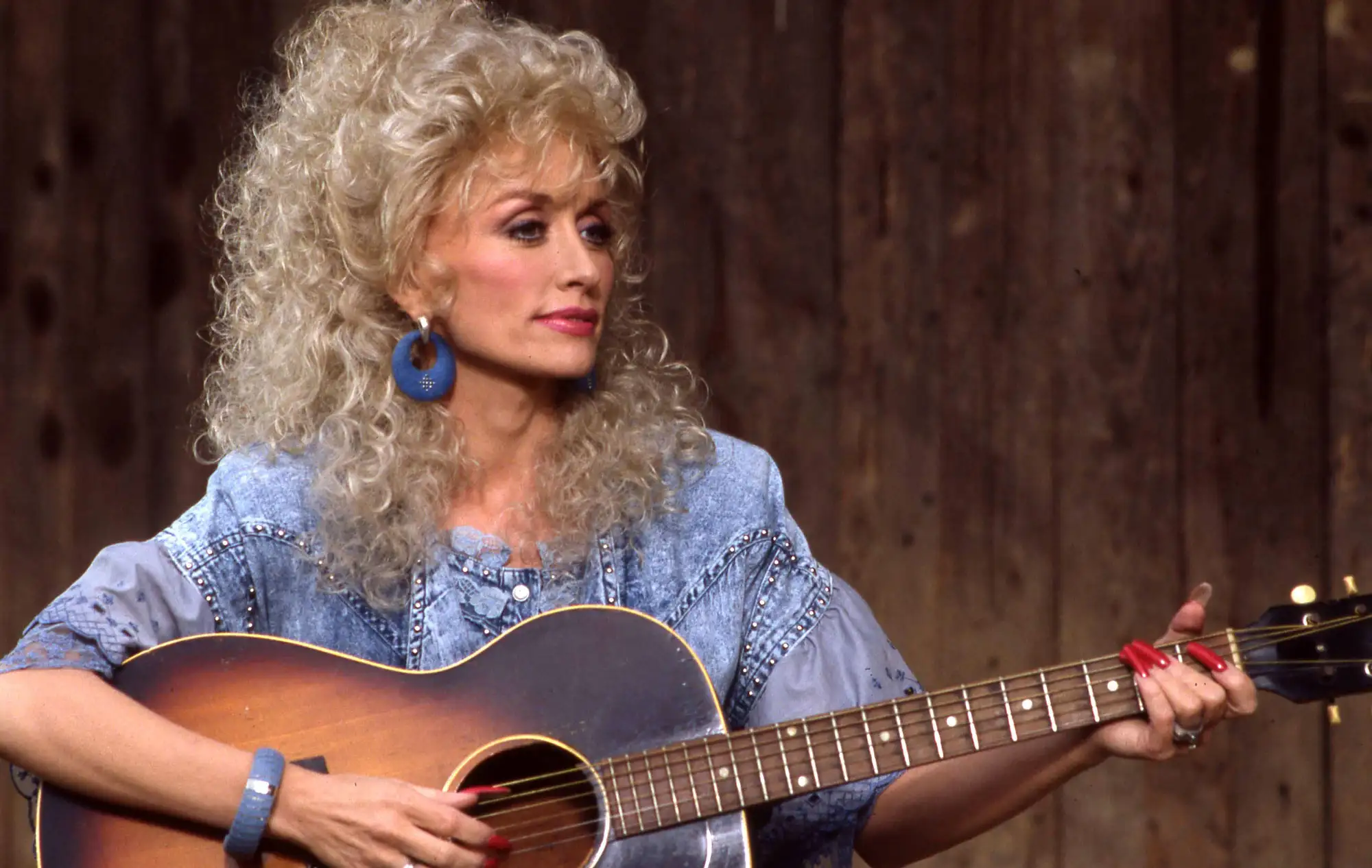
She personally appeared during part of the final distribution, meeting people who had been receiving assistance from the fund.
For Dolly, showing up fit the language she had used from the beginning.
She had called the program the My People Fund.
That phrase was not merely branding.
The communities affected by the fires included people from the same part of Tennessee where Dolly had grown up.
She understood the culture.
She understood the attachment people had to the mountains.
And she knew that for many residents, losing a home meant losing something that had been tied to family identity for generations.
Her presence transformed what could have been a distant celebrity donation into something more personal.
The person whose name was attached to the fund was standing there while families received the money.
Why the Program Was Different
Celebrity philanthropy often operates through large institutions.
That can be valuable, especially when disasters require major infrastructure and long-term rebuilding.
But Dolly’s fund focused on something unusually immediate.
Cash went directly to families.
The program did not attempt to determine exactly what each household should spend the money on.
That mattered because every family’s needs were different.
One family might need rent.
Another might need a vehicle.
Another might need to replace basic household items.
Another might need to take time away from work to deal with rebuilding.
Direct payments gave families the ability to decide for themselves.
The larger final check reinforced that philosophy.
Dolly did not appear to treat the original $1,000 promise as a maximum.
When more money became available, more money went to the families.
It Reflected Something Dolly Had Talked About for Years
The My People Fund also fit naturally into the way Dolly had long described money and success.
She came from poverty.
She remembered what it was like for a family to worry about basic needs.
And after becoming wealthy, she repeatedly funded programs aimed at helping people who might not have the same opportunities.
Her Imagination Library had already become internationally known for providing books to young children.
After the wildfires, the problem was different.
People did not need a long-term literacy program.
They needed money immediately.
So the response changed to fit the need.
That practical approach is part of what made the wildfire fund so memorable.
There was no mystery about what families were getting.
At first, the promise was $1,000 every month.
Then the fundraising exceeded expectations.
And rather than keeping the original payment unchanged, the fund increased the final distribution.
The Last Envelope Changed the Ending
By the time the program reached its final month, the families already knew what Dolly Parton had done for them.
They had received multiple payments.
They knew the assistance had helped hundreds of households across the region.
They expected one final $1,000 check.
Then they opened the envelope.
Five thousand dollars.
That one decision changed the ending of the My People Fund.
The program did not fade away with one last routine payment.
It ended by giving families considerably more than they had been promised.
In total, roughly $10,000 in direct assistance went to each participating household.
For Dolly, it was a way of responding to a disaster in the place that had given her the stories, values and identity she carried throughout her career.
And for more than 900 families trying to rebuild after losing their homes, the surprise inside that final envelope was another reminder that the promise of $1,000 a month had never been the full story.