Tupac Shakur Often Spoke About Dying Young. Nearly 30 Years Later, His Words Still Haunt Us
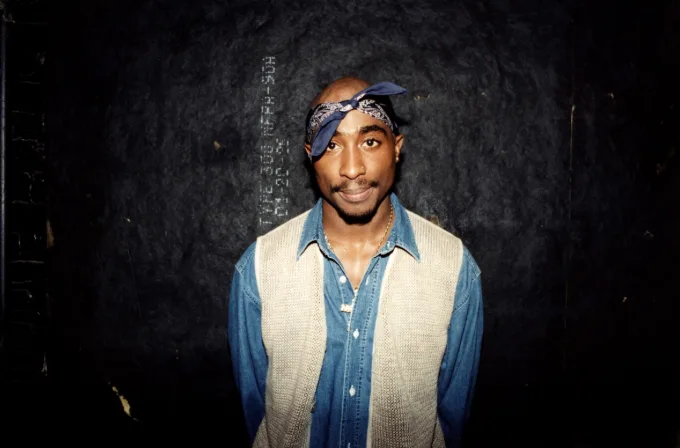
Nearly three decades after Tupac Shakur was killed in Las Vegas, the rapper’s thoughts about mortality have resurfaced as the man accused of orchestrating his death faces trial.
Long before his final night, Shakur openly discussed death and the possibility that his life might be cut short.
In a 1995 interview with Vibe magazine, when he was 24, Shakur said he was not afraid of death. Instead, he spoke about wanting to make his life meaningful and believing that his purpose was ultimately connected to helping others.
A year later, that fearlessness would take on a haunting meaning.
On September 7, 1996, Shakur was riding in a BMW with Death Row Records co-founder Marion “Suge” Knight near the Las Vegas Strip after attending a Mike Tyson boxing match at the MGM Grand.
A white Cadillac pulled alongside the vehicle, and several shots were fired. Shakur was seriously wounded and died six days later at the age of 25.
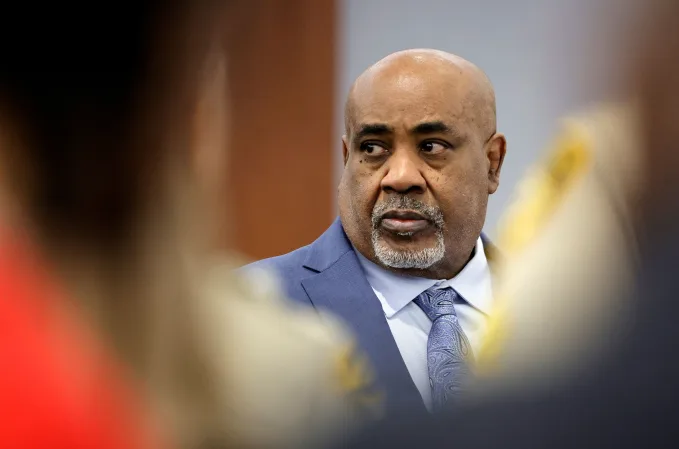
Now, Duane “Keffe D” Davis, 63, is on trial in connection with the killing.
Prosecutors allege Davis helped organize the shooting as retaliation for an earlier confrontation involving his nephew, Orlando Anderson, at the MGM Grand that night. They do not allege that Davis was the person who fired the shots.
The prosecution’s case has drawn significant attention to Davis’ own past statements.

Over the years, Davis discussed his alleged connection to the shooting in interviews, on podcasts and in his 2019 memoir. Prosecutors have pointed to those public statements as important evidence.
Davis has pleaded not guilty and now disputes his previous accounts. His defense has argued that some of his past statements were exaggerated, particularly because he was promoting a book.
The debate over words and credibility has therefore become a central part of the trial.
For Shakur, however, discussions about life and death were already deeply woven into his music and public image.
His songs frequently explored mortality, survival, violence, family and the possibility of an early death. Even before his final years, he had experienced violence firsthand.
In November 1994, Shakur was shot several times during an attack at Quad Recording Studios in Manhattan. The incident intensified tensions between him and several figures associated with New York’s rap scene and became an important chapter in the growing East Coast–West Coast rivalry.
After the shooting, Shakur became increasingly convinced that people connected to the New York rap scene had known more about the attack than they admitted. Those accusations were denied by the people he suspected.
The conflict eventually became one of the defining rivalries in hip-hop during the 1990s.
Shakur’s personal life was also marked by legal troubles. In 1995, he was sentenced to prison after being convicted in a sexual abuse case involving Ayanna Jackson. While awaiting appeal, he received financial help from Knight, who paid his bail and subsequently signed him to Death Row Records.
His release from prison marked the beginning of another intense chapter in his career.
In an October 1995 interview with CNN, Shakur described his time in prison as an opportunity to step away from the outside world and reflect on his life.
He returned to music with extraordinary intensity, recording large amounts of material during the final period of his career.
According to his stepbrother Mopreme Shakur, there was a recurring theme throughout Tupac’s work: an awareness that his time might be limited.
That sense of urgency became part of his legacy.
Shakur died at only 25, but his career had already produced a body of work that continued to grow after his death. His music repeatedly returned to questions about mortality, legacy and what might remain after he was gone.
Nearly 30 years later, his family is now watching the long-awaited murder trial unfold.
Mopreme Shakur and Tupac’s sister, Sekyiwa Shakur, have attended proceedings. The family has described itself as cautiously optimistic while acknowledging how emotionally difficult the case has been.
The trial may eventually establish whether Davis is responsible for organizing the attack, but even a conviction may not answer every question surrounding Tupac’s death. The identity of the person who fired the fatal shots remains a separate issue, and several people believed to have had knowledge of the events have since died.
Whatever the final verdict, the fascination surrounding Tupac Shakur is unlikely to disappear.
His death has remained one of the most enduring mysteries in modern music history.
And perhaps what makes it particularly haunting is that Shakur himself spent so much of his short life talking about the possibility of dying young.
He once said he believed that the choices a person makes ultimately come back to them, and that despite everything, he believed he was trying to do what was right.
Nearly three decades later, those words continue to be heard through the music of an artist who never reached his 26th birthday.