Hundreds Vanished Beneath Nepal’s Deadly Flood — Rescuers Fear Some Could Still Be Alive Underground
KATHMANDU, Nepal — Hundreds of people vanished beneath Nepal’s catastrophic flood — and rescuers still don’t know how many could be alive underground.
Buried tunnels. Missing workers. Families waiting outside.
Now, rescue teams are racing against time to break through millions of tons of mud and debris in the hope of reaching people who may have survived inside underground hydropower facilities.
The disaster struck Nepal’s Trishuli valley on August 26, 2026, when a massive surge of water, rock, mud and debris swept through communities and hydropower projects near the Nepal-China border.
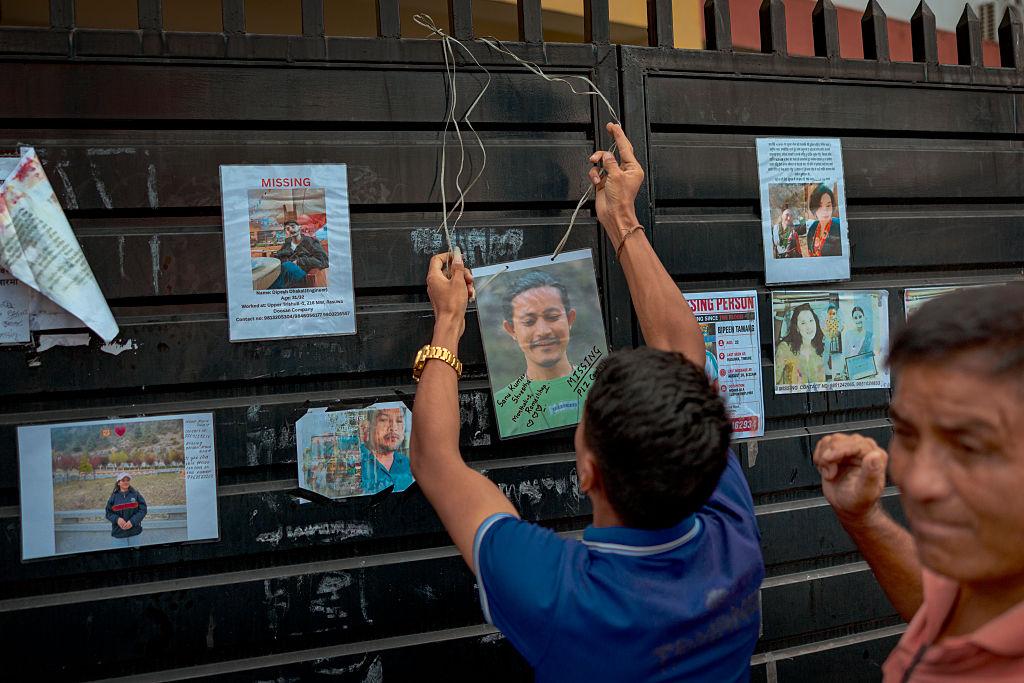
More than 1,200 people have been reported dead, while thousands remain missing. Among those unaccounted for are hundreds of workers from hydropower projects that were overwhelmed by the disaster.
And beneath the destruction, there is still one question rescuers cannot answer:
Are some of them still alive?
A race against time underground
At several hydropower facilities, tunnel entrances have been buried beneath enormous quantities of mud and debris.
Authorities estimate that around 900 missing people were connected to hydropower projects in the affected valley.
Some may have been swept away by the flood. Others may have escaped.
But officials say there remains a possibility that some workers reached underground chambers before the entrances were blocked.
At the Rasuwagadhi hydropower plant, officials believe dozens of workers could potentially be inside a chamber-like area where they may have access to food and water.
That possibility has transformed the disaster response into a desperate search for signs of life.
Millions of tons of debris stand between rescuers and the missing
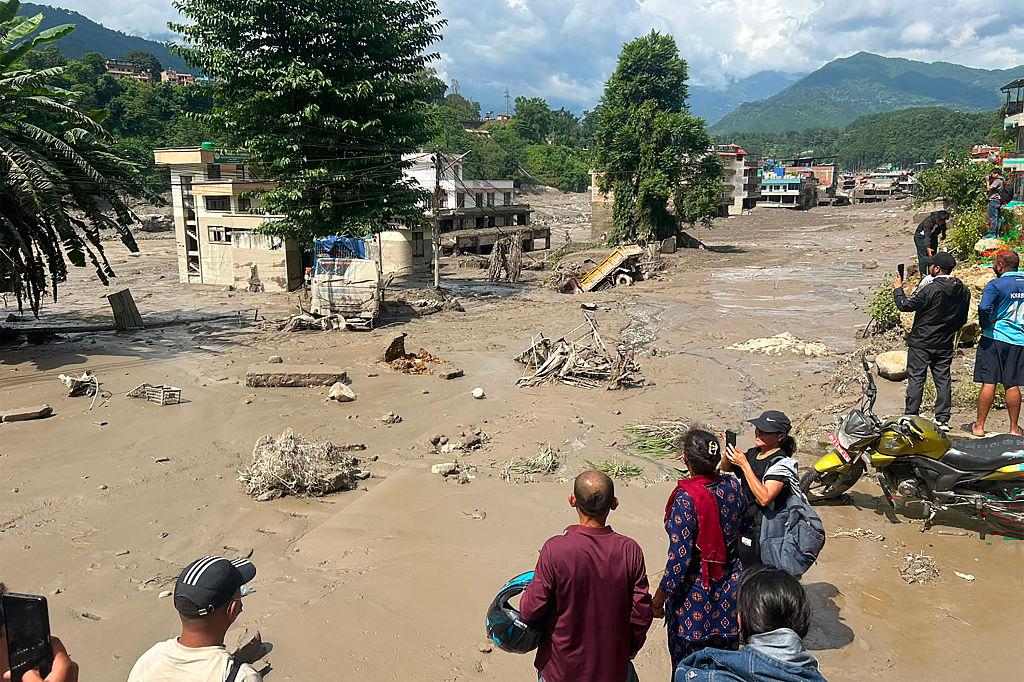
The force of the flood radically changed the landscape.
Roads disappeared. Buildings were destroyed. Bridges were swept away.
And at the hydropower sites, access routes into underground structures were buried.
Rescuers have been using excavators, drilling equipment and other heavy machinery to clear the entrances.
In some locations, crews have spent days simply trying to reach the tunnel systems.
Every meter of debris removed could reveal another section of the underground network — and potentially another chance of finding someone alive.
Engineers are guiding the rescue from their phones
One of the most unusual parts of the operation has been a WhatsApp group involving hundreds of engineers and technical experts.
The group was originally created for professional communication, but after the disaster it became an emergency information network.
Engineers have been sharing tunnel maps, structural plans and information about where workers were believed to be when the flood struck.
That information is crucial because many landmarks around the hydropower facilities have disappeared beneath the debris.
Rescuers are effectively trying to navigate an underground maze while much of the landscape above it has been destroyed.
Survivors describe darkness and chaos
Those who escaped have described an extraordinary fight for survival.
One worker who survived the flooding inside a hydropower tunnel recalled being surrounded by darkness as water and debris surged through the underground passage.
Workers had to hold onto pipes and one another while trying to find a way out.
Some emerged injured.
Others never made it out.
Their accounts have added urgency to the search for those who remain unaccounted for.
Families are still waiting
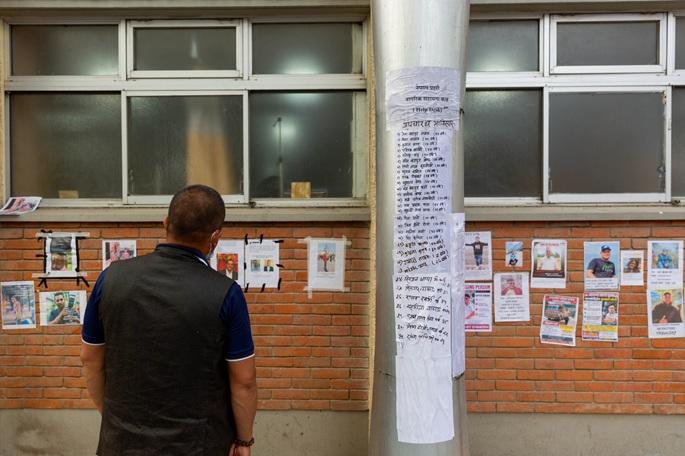
Outside the damaged facilities, families have been left with perhaps the hardest part of any disaster — not knowing.
They do not know whether their relatives were swept away, buried beneath the debris or managed to find shelter underground.
For some, the possibility that their loved ones could still be alive is the only thing keeping hope alive.
One father told Reuters that he continues to imagine his missing son returning home with his bag.
“I am surviving on the hope that he will return,” he said.
Nepal is still searching through the destruction
Rescue teams from Nepal and neighboring countries have joined the effort.
Soldiers, engineers and specialist teams continue working through the wreckage while drones, cameras and other equipment are being used to search areas that are too dangerous or difficult to enter.
But the scale of the destruction is enormous.
Entire sections of the valley have been buried beneath mud.
Communities have been wiped away.
And hundreds of families are still waiting for answers.
For rescuers underground, the mission is now a race against time.
Every tunnel cleared could bring an answer.
Every hour that passes makes that answer more urgent.
And somewhere beneath the mountains of mud and debris, families are still hoping that the people they love are waiting to be found.
Course: NY Post