Note sent in February said Nancy Guthrie, mother of ‘Today’ show anchor, had died shortly after kidnapping
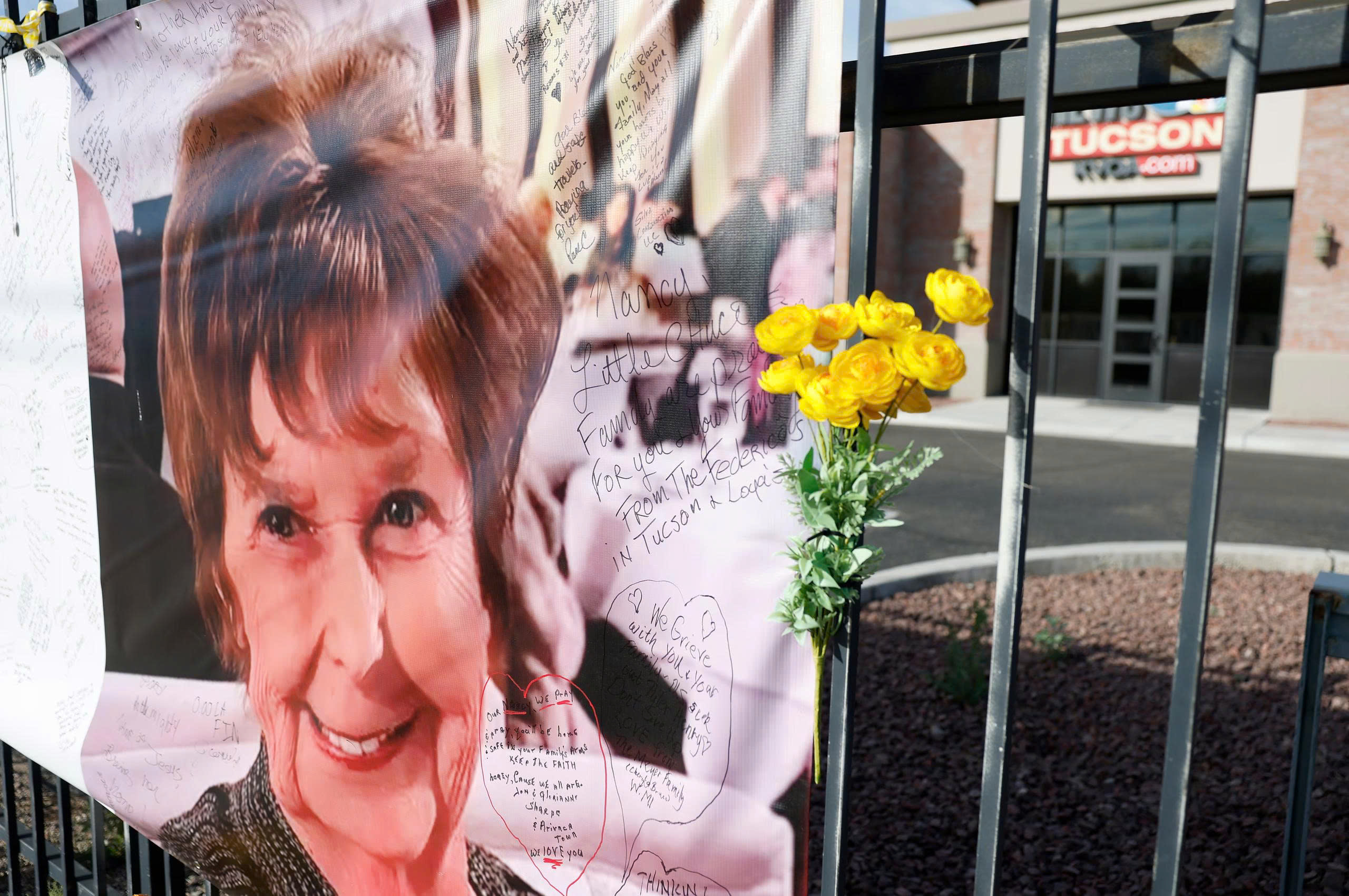
A note sent in February to local news outlets about the disappearance of Nancy Guthrie, mother of NBC “Today” show anchor Savannah Guthrie, said the 84-year-old died shortly after she was kidnapped early this year, law enforcement sources briefed on the investigation told CNN at the time.
Investigators believed the note – and one earlier note demanding a ransom of millions of dollars, which CNN also learned about at the time – were legitimate communications from whoever took Nancy Guthrie from her home in Arizona’s Catalina Foothills early on February 1 without her phone or medications, the sources said.
“The second note said, basically, it wasn’t intended to work this way but in the course of the kidnapping some things happened and Nancy Guthrie is dead,” CNN Chief Law Enforcement and Intelligence Analyst John Miller said on “AC360” Monday night.
“The thing that makes the note significant is it came from the same electronic source as the first note, which demanded the ransom,” he said, adding the second note had “a very different tone (from) that note the week before.”
On the heels of the second note, the Guthrie family on February 7 posted an emotional video in which Savannah Guthrie said, “We received your message, and we understand,” without describing what it said. The Guthries never got the notes directly, law enforcement sources told CNN.
While officials have said little publicly about the authenticity of the notes, CNN and the local news outlets initially agreed to a request by law enforcement and the Guthrie family to hold off on reporting the contents of both so any future communications with kidnappers could be authenticated, Miller said.
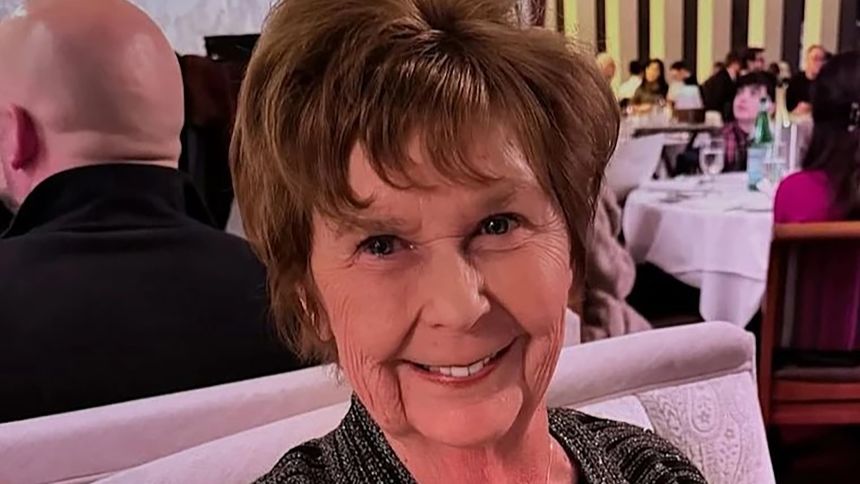
Authorities also felt the public would lose interest in Nancy Guthrie’s case and fewer tips would be called in if the note’s details were released, according to Miller.
“They also didn’t want people to say, ‘Oh, well, she passed away, I guess the case is over,’ and to not continue to come forward with tips when they were getting a lot of information,” he added Tuesday.
Now, investigators believe the widespread revelation of the second note’s contents – in recent days by other news outlets and now by CNN – could reignite more tips in a case that has drawn national attention as the hunt for Nancy Guthrie continues, Miller said.
“This coming out now … they think it may stir the pot,” he said, “because one human tip from someone who actually knows could advance the case a lot faster than what they’re doing right now.”
On Tuesday, Savannah Guthrie made an emotional plea from the “Today” show set asking the public for help finding her mother.
“Please, if you’re watching, no matter how small the reward is there, you can tell us. It can be anonymous,” the NBC anchor said. “We love our mom and we’ll never stop looking for her. Never.”
Investigation remains active
While CNN and its affiliate, KOLD-TV – a Tucson, Arizona, station that received both notes – held off on reporting their contents, news outlets including Air Mail, NBC and ABC over the past week began to publish what the notes said.
“Friends, we have held off on sharing the contents of the notes we received from someone allegedly involved in Nancy Guthrie’s disappearance. We initially did this because we wanted no part in compromising the investigation and out of respect for the family, and that has not changed,” KOLD’s Mary Coleman wrote on Facebook on Monday morning.
“But some of the alleged content has been circulating.”
Law enforcement told KOLD the two notes in the Guthrie case are believed to be from the same person, Coleman wrote. “(B)oth notes did not come from the same IP address, but it appears the sender used the same type of secure server to hide their IP address,” she said.
And on Monday afternoon, questions surrounding the ransom note resurfaced after TMZ founder Harvey Levin posted a video addressing reports about a letter and emails TMZ got related to Guthrie’s disappearance.
TMZ got a note “early on” saying Guthrie was “scared but OK,” Levin said in the video posted Monday afternoon, adding claims he got a ransom note with an apology to Savannah Guthrie and her family for Nancy Guthrie’s kidnapping and death were false.
TMZ also got several emails around that time from someone claiming to know the alleged kidnappers and Guthrie’s whereabouts, seeking some $100,000 in exchange for information.
“There’s something about those emails that made me believe that this guy may well have known who the kidnappers were,” Levin said.
The FBI never paid the person sending the emails, Levin said, even after TMZ offered to foot the bill.
The investigation remains “active and ongoing,” the Pima County Sheriff’s Department, which has led the case since Guthrie vanished about five months ago, told CNN on Monday.
The department directed other questions regarding the ransom notes to the FBI; the Phoenix FBI did not respond to CNN’s request for comment Monday.
Source: https://edition.cnn.com/2026/06/22/us/nancy-guthrie-ransom-note?iid=cnn_buildContentRecirc_end_recirc&recs_exp=up-next-article-end&tenant_id=related.en