An 11-Year-Old Told Deputies He Thought He Would Be Killed — One Stranger’s Phone Call Changed Everything
The caller could have kept driving.
Instead, something about the scene on a Florida road on New Year’s Eve 2025 felt wrong.
A man the caller recognized as a registered sex offender was traveling with two boys. One of those children, the caller knew, had recently been reported missing.
So the stranger picked up the phone.
That single call would lead deputies to an 11-year-old boy who, once separated from the adults around him, delivered a terrifying message.
He told a deputy that he had been kidnapped.
He said he did not feel safe.
And according to the Flagler County Sheriff’s Office, the child believed he would be killed if deputies did not intervene.
Nine months later, the man deputies stopped that morning — Darnell Hairston — has been sentenced to 30 years in Florida state prison.
But what investigators say happened between the boy’s disappearance and that traffic stop explains why Sheriff Rick Staly later described the rescue as one of the most successful “See Something, Say Something” cases his agency had ever handled.
A Missing Child Was Spotted in the Wrong Truck
The boy had been reported missing from St. Johns County three days before the Dec. 31 traffic stop.
That morning, the caller contacted Flagler County emergency dispatchers after seeing Hairston traveling with two juvenile passengers.
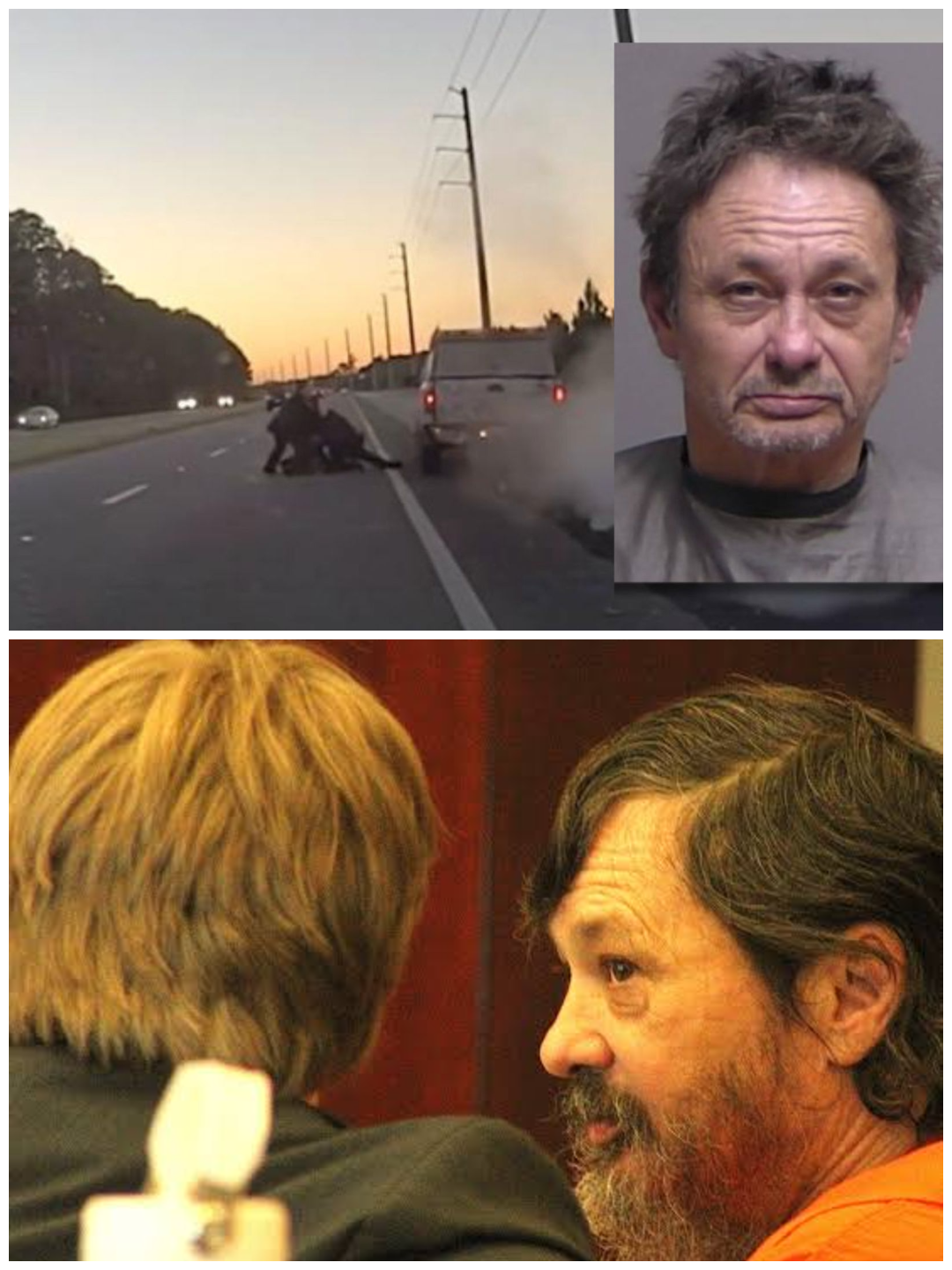
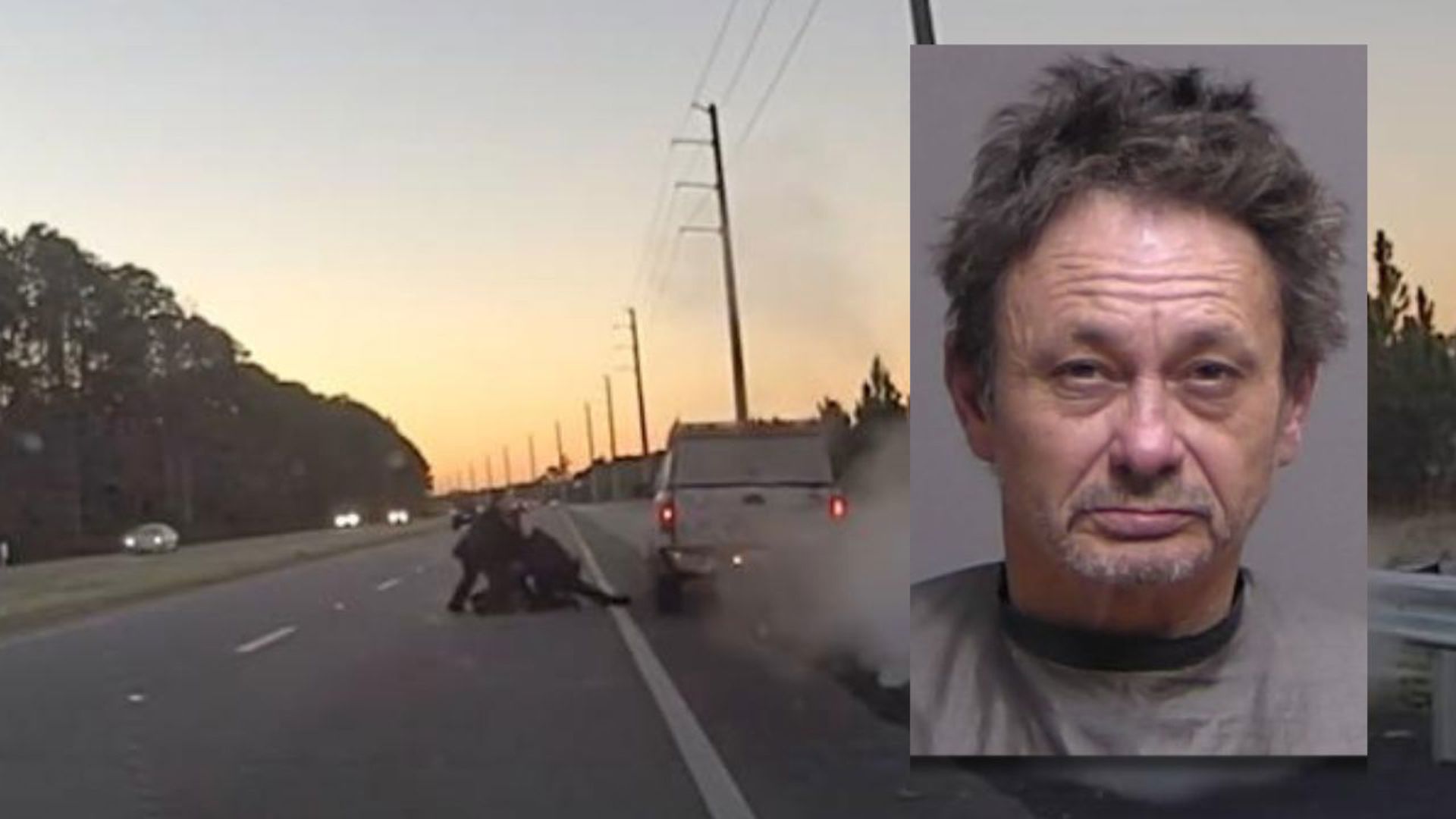
Deputies stopped Hairston’s white Ford F-150 on U.S. Highway 1 near Whiteview Drive.
Inside were Hairston, then 60, the missing 11-year-old and 15-year-old Junior Bishop.
Deputies separated the occupants.
That was when the younger boy began telling them what had happened.
Police said he appeared clearly traumatized and frightened. After telling a deputy that he had been kidnapped and feared for his life, he was quickly placed inside a patrol vehicle for protection.
Then the traffic stop became chaotic.
Hairston Tried to Run — Then Bishop Took the Truck
As deputies moved to detain Hairston, authorities say he fled on foot.
He fell in the roadway, struggled with officers and attempted to grab a deputy’s firearm before being taken into custody.
While deputies were dealing with Hairston, Bishop allegedly got back into the pickup and drove away, nearly striking a deputy.
A pursuit followed.
Police said Bishop drove south on U.S. 1 and then west on State Road 100. Near the Putnam County line, he allegedly entered the lane of oncoming traffic before intentionally ramming a deputy’s patrol vehicle.
Both vehicles crashed into a wooded area, and the pickup rolled over.
Bishop was arrested.
Two deputies suffered minor injuries.
But as dramatic as the pursuit was, investigators were only beginning to learn what the rescued 11-year-old said had happened before police stopped the truck.
The Boy Said He Had Been Held at a Wooded Campsite
After the traffic stop, the child was taken to a hospital for medical treatment and interviewed by investigators.
His account transformed the case.
According to the sheriff’s office, the boy said Hairston had lured him to a wooded campsite in the Flagler Estates area.
There, the child said, Hairston strangled him until he lost consciousness.
When he woke up, he alleged that Hairston threatened him with both a knife and a firearm.
The boy said he was tied with shoelaces and an extension cord and had duct tape placed over his mouth.
He told detectives that Hairston kept him at the campsite for multiple days.
When they traveled, the child said, he was forced onto the floorboard of Hairston’s truck and covered with a blanket.
Investigators did not rely only on the child’s statement.
They began searching for physical evidence.
Searches Turned Up Items Consistent With His Story
Working with the St. Johns County Sheriff’s Office, detectives executed search warrants at three locations: Hairston’s truck, his residence in Hastings and the wooded campsite.
Authorities said they recovered numerous items, including duct tape, weapons and video-surveillance equipment that investigators described as consistent with portions of the boy’s account.
Detectives also interviewed Hairston extensively.
According to the sheriff’s office, investigators concluded that he knew the child had been reported missing and endangered and was aware that police were searching for him.
Authorities said Hairston could not provide an explanation for why he continued keeping the child away from his parents despite knowing that search was underway.
By Jan. 2, investigators had obtained additional charges against him, including kidnapping of a child under 13, aggravated child abuse, battery by strangulation and robbery with a deadly weapon.
He was held without bond.
Investigators Then Turned Their Attention to Junior Bishop
Initially, Bishop’s most obvious alleged crimes involved what happened after the traffic stop.
He was accused of stealing Hairston’s truck, fleeing from law enforcement, ramming a patrol vehicle and driving despite being only 15.
But investigators continued examining whether his involvement went much deeper.
They interviewed Bishop and the victim, searched Bishop’s cellphone and reviewed communications among Bishop, Hairston and the 11-year-old before the kidnapping.
Detectives also obtained Bishop’s DNA and fingerprints.
After a three-month investigation, authorities announced in April that they believed Bishop had acted as a co-conspirator in the kidnapping. He was additionally charged as an adult with principal to armed kidnapping.
Bishop has not been convicted of that charge.
By September, he was 16 and still awaiting trial.
Hairston Eventually Chose Not to Go to Trial
Hairston’s case took a different path.
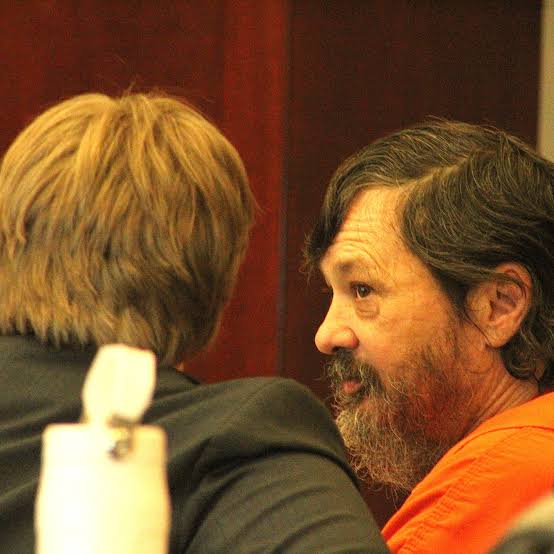
On Aug. 19, he pleaded no contest to five charges:
kidnapping involving bodily harm, aggravated child abuse, battery by strangulation, robbery with a deadly weapon and resisting an officer without violence.
A no-contest plea meant Hairston did not contest the charges against him and allowed the court to enter findings of guilt without a trial.
Then came sentencing.
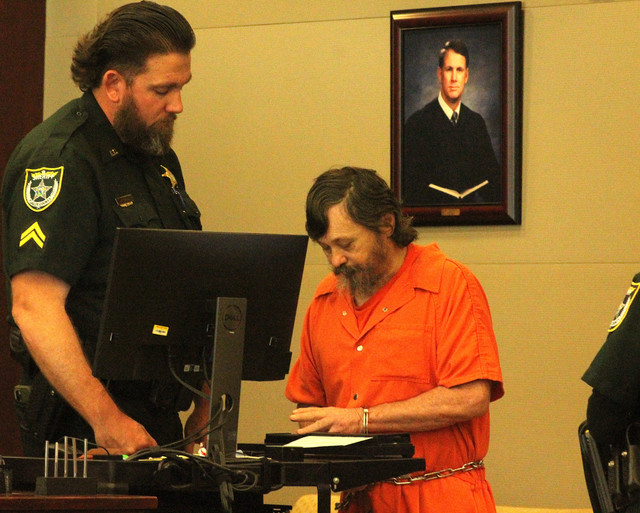
On Sept. 9, Circuit Judge Dawn Nichols found the now-61-year-old guilty on all five counts and sentenced him to 30 years in state prison.
Hairston had remained jailed without bond since his arrest and was awaiting transfer to the Florida Department of Corrections after sentencing.
For Sheriff Staly, the outcome traced directly back to the person who made the first call.
“This was one of the most successful ‘See Something, Say Something’ cases we’ve ever had,” he said after the sentencing, noting that the call led both to the recovery of the missing child and to Hairston spending the next three decades behind bars.
The Caller Had No Way of Knowing What Was Happening
That may be the most remarkable part of the entire case.
The person who called authorities did not know what the boy would later tell detectives.
The caller could not have known about the alleged strangulation.
Or the shoelaces and extension cord.
Or the weapons.
Or the duct tape.
Or the child’s claim that he had been kept for days at a campsite and transported beneath a blanket on the floor of the truck.
The caller simply recognized two facts that did not fit comfortably together: a registered sex offender was traveling with juveniles, and one of those children had been reported missing.
That was enough to call.
Deputies stopped the truck.
And only after the child was separated from Hairston did investigators learn how frightened he really was.
He believed, authorities said, that without police intervention he might be killed.

One Case Is Finished. Another Is Not.
Hairston’s sentencing provides one form of closure.
He will spend decades in prison for the crimes to which he pleaded no contest.
But the investigation that began with that Dec. 31 traffic stop still has an unresolved branch.
Bishop continues to face charges as an adult, including principal to armed kidnapping, aggravated fleeing and eluding, aggravated battery on a law-enforcement officer and grand theft of a motor vehicle. His case remains pending, and he is entitled to the presumption of innocence unless convicted.
For the 11-year-old boy, however, the decisive moment came long before any courtroom hearing.
It came when someone driving through Florida saw something that looked wrong and decided it was worth reporting.
The caller could not know whether the suspicion would amount to anything.
This time, it did.
A missing child was found.
A terrified boy was able to tell deputies what he said had happened to him.
And nine months later, the man at the center of that ordeal was sentenced to 30 years behind bars.