He Went to an Island With Friends on the Fourth of July. Everyone Else Came Home. Nolan Wells Did Not.
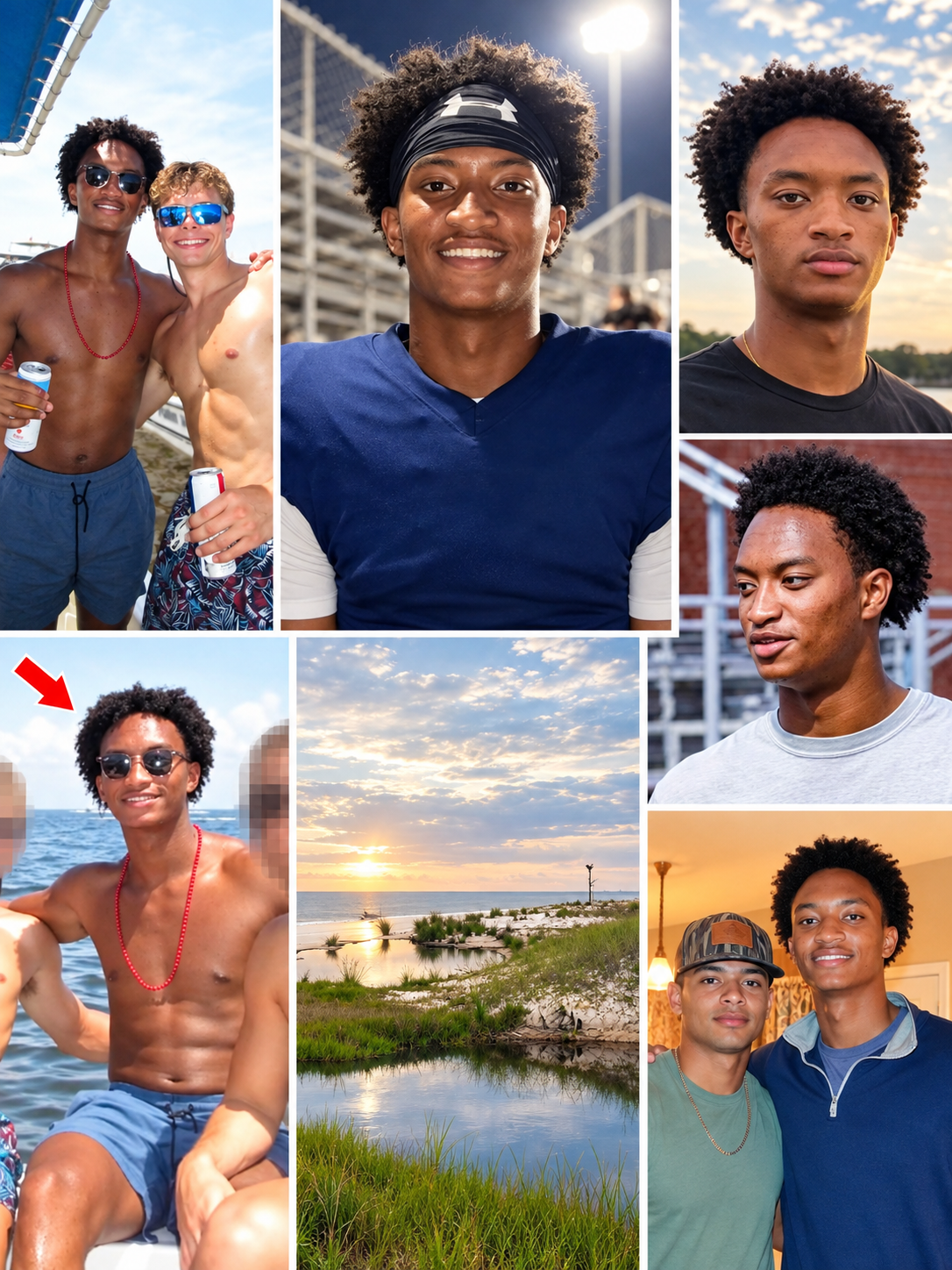
Nolan Xavier Wells left for Horn Island, Mississippi, on the Fourth of July with friends.
He was 18 years old, a recent high school graduate and a college football player with plans for a future that should have stretched far beyond one holiday weekend.
The people he went with eventually returned to the mainland.
Nolan did not.
Two days later, on the morning of July 6, a U.S. park ranger found his body near the northwestern tip of Horn Island.
More than two months later, the most important question surrounding his death remains unanswered:
How did Nolan Wells die?
The uncertainty has transformed what began as a local missing-person search into a nationally watched investigation involving civil rights attorney Ben Crump, the NAACP, independent forensic experts and demands for federal scrutiny.
Now, the case is moving toward another important stage.
Jackson County District Attorney Angel Myers McIlrath has said that once the investigation is complete, the evidence will be presented to a grand jury, which will review what investigators have collected and determine whether criminal charges are warranted.
McIlrath has promised a “thorough, complete, and fair investigation.”
That does not mean prosecutors have concluded Nolan was murdered.
In fact, McIlrath has emphasized that her office routinely presents non-natural deaths to a grand jury for review. The process itself is not proof that a crime occurred.
But in Nolan’s case, there are enough unanswered questions that his family refuses to accept an easy explanation.
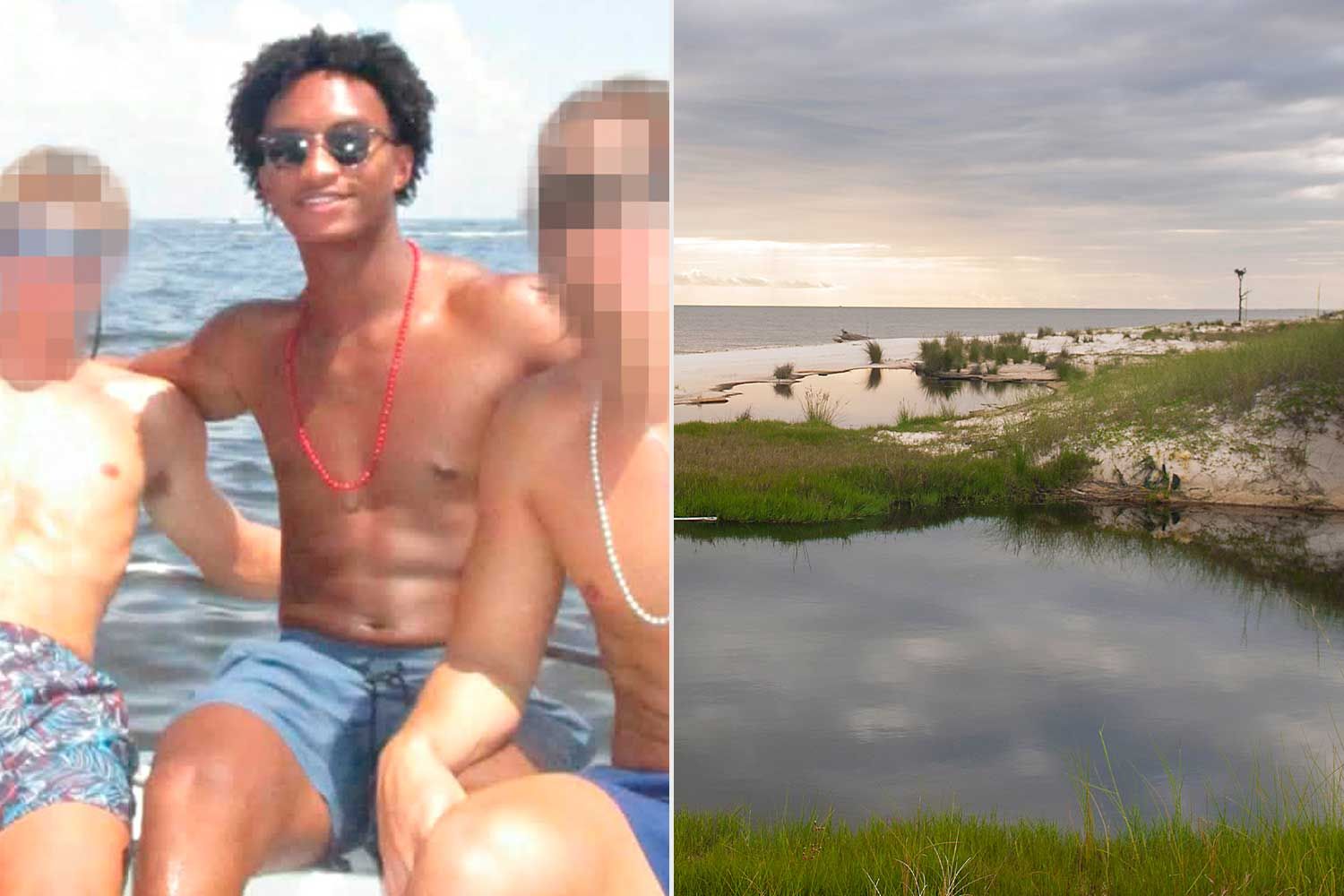
Nolan traveled by boat to Horn Island on July 4 to celebrate the holiday with friends.
Horn Island is one of Mississippi’s barrier islands, a long stretch of sand and wilderness in the Gulf of Mexico where boaters regularly gather, swim and spend the day.
According to accounts released since Nolan disappeared, the group’s boat encountered problems later that afternoon.
Friends began preparing to return to the mainland.
Exactly what happened next has become one of the central issues in the case.
One friend said he last saw Nolan around 3 p.m. Another account placed him on the island later. A young woman Nolan had been spending time with reportedly believed he was preparing to leave with the people he had arrived with.
But when the boats returned to shore, Nolan was not aboard.
Hours passed before his mother, Christine Wonsley, learned that her son had not returned.
By around 11 p.m., friends were contacting the Coast Guard and Nolan’s family.
Then came another detail that immediately troubled his parents.
Nolan’s cellphone had made it back to the mainland.
Nolan had not.
One friend later explained publicly that people at the island sometimes left their phones on boats or in vehicles to protect them from water damage. He denied that anyone had accessed or deleted information from Nolan’s phone.
But to Nolan’s parents, the device remains potentially important evidence.
They have questioned why their son would have remained on the island without it and what its data might reveal about his movements, communications and final hours.
The phone eventually became the subject of discussions over forensic testing involving the family’s legal team and the district attorney.
Those details have added to a case already filled with uncertainty.
Early on July 6, Nolan’s body was located near Horn Island.
Initial public comments from local authorities suggested drowning might have been involved and that foul play was not immediately suspected.
His family was not satisfied.
They hired Ben Crump, the prominent civil rights attorney whose involvement quickly brought national attention to the death.
The NAACP also became involved, adopting a resolution calling for an in-depth and transparent investigation into how Nolan came to be left on the island and what happened before his body was recovered.
Then came the independent autopsy.
At the family’s request, forensic pathologist Dr. Roger Mitchell Jr. examined Nolan’s remains.
His findings did not provide the clear answer everyone wanted.
The cause of death: undetermined.
The manner of death: undetermined.
Mitchell found no fractures or deep-tissue injuries, but he noted red discoloration at the back of Nolan’s head that he said required additional investigation.
There were also significant limitations.
By the time Mitchell conducted the independent examination, Nolan’s body had undergone decomposition. Some organs and neck structures had already been removed during the earlier state autopsy — a practice that can occur during forensic examinations — meaning Mitchell could not independently evaluate every structure he wanted to examine.
He could not determine from the available evidence whether drowning was the cause.
And crucially, he said he could not rule out the possibility that non-accidental factors contributed to Nolan’s death.
That is not the same as finding evidence that Nolan was murdered.
It means the independent examination could not answer the question either way.
For his parents, however, that uncertainty reinforced their demand for investigators to keep looking.
Crump has repeatedly argued that the case should not be closed without every unanswered detail being examined.
Outside experts retained by the family have also looked at other elements of the case, including audio and ocean conditions, while the family’s attorneys have sought data from technology and social-media companies.
The case has attracted support from high-profile figures including Rev. Al Sharpton, Colin Kaepernick, Tyler Perry and Terrell Owens.
A reward connected to information in the case grew to $125,000 after contributions and pledges from supporters.
National attention, however, has created another tension.
Nolan’s family and civil rights advocates want more information released publicly.
The district attorney says doing so now could compromise the investigation she is responsible for conducting.
On Aug. 18, McIlrath issued a lengthy statement pushing back against the pressure.
She said prosecutors cannot publicly discuss witness cooperation, evidence testing or distinguish which claims circulating online are true and which are false while an active investigation is underway.
“I understand that a void is perceived when some are speaking publicly about a matter while others do not,” she said.
But filling that void, she argued, would require her to step outside the rules governing prosecutors.
Her responsibility, McIlrath said, is to give the grand jury all of the evidence and allow that body to make its decision based on “the actual truth” and the law.
That means the silence surrounding the investigation should not necessarily be interpreted as inactivity.
But for a family waiting to understand why its 18-year-old son never returned home, silence is difficult.
Nolan’s death has also taken on a racial dimension because he was Black and some of the friends with whom he traveled were white.
Civil rights advocates have questioned whether authorities initially treated the case with enough skepticism and urgency.
But no evidence has been publicly released establishing that race played a role in Nolan’s death, and no friend has been charged with harming him.
Attorneys for several of the young people who were with Nolan have said their clients had nothing to do with his death and have also expressed a desire to learn what happened.
That distinction is essential.
There are questions.
There are disputed accounts and unexplained details.
There is not yet a publicly established crime.
And that is precisely what the continuing investigation and eventual grand jury review are supposed to determine.
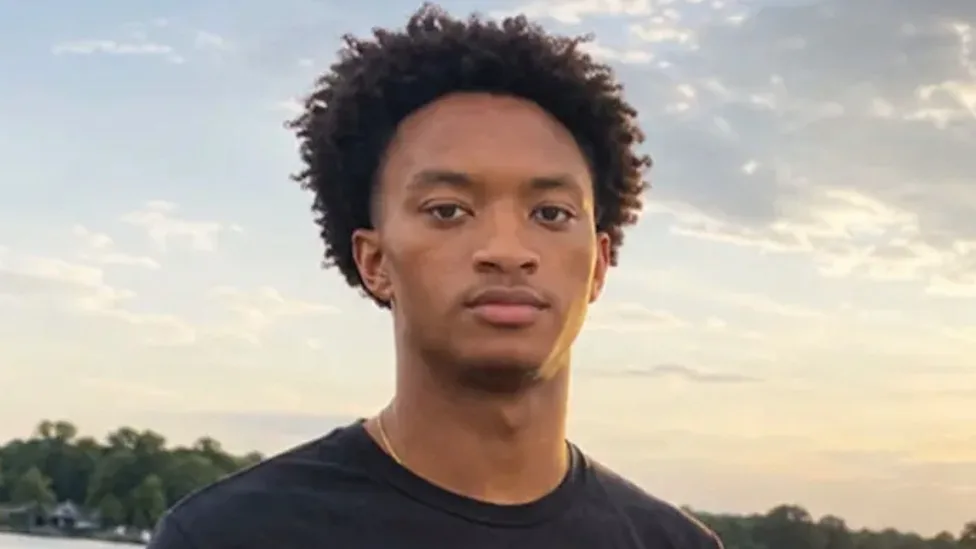
Behind all of the forensic language, legal arguments and national attention is an 18-year-old whose parents remember far more than the mystery surrounding his final hours.
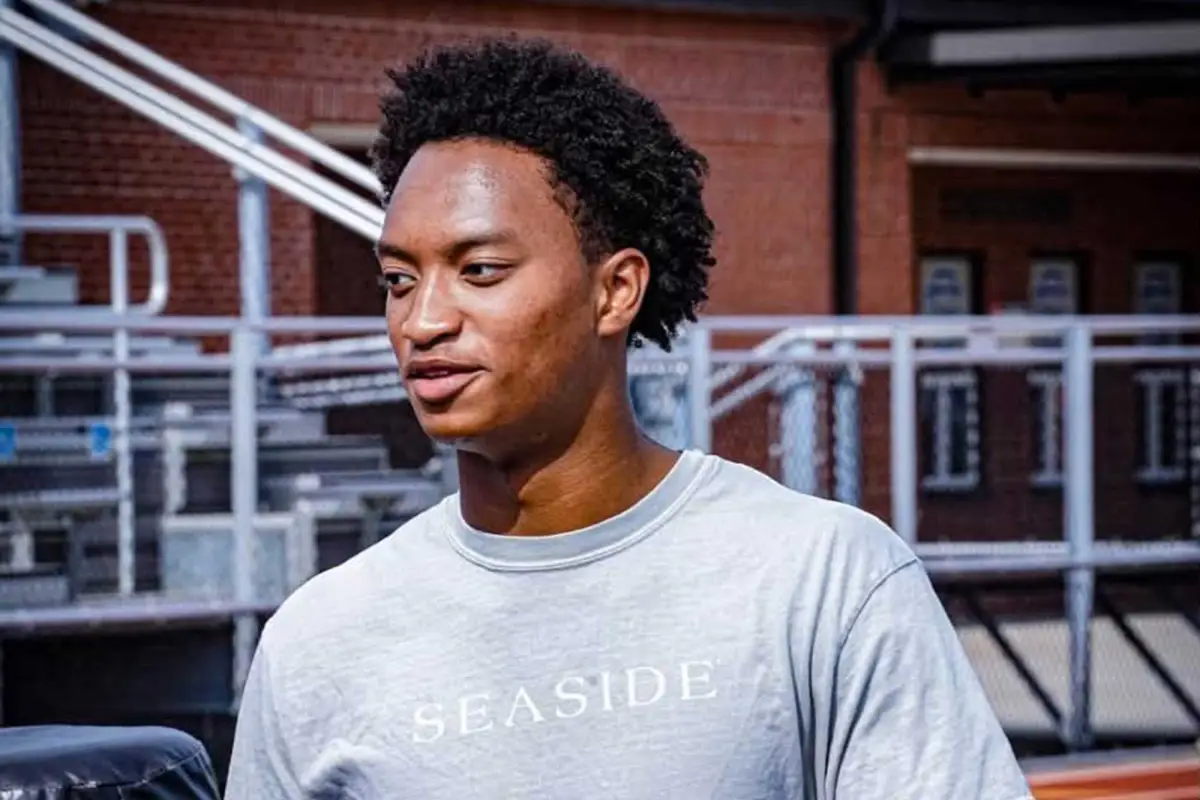
Nolan was a football player at Southwest Mississippi Community College.
He had recently graduated from Ocean Springs High School.
The night before the island trip, his mother recalled him preparing food for his family and leaving home with an ordinary goodbye.
Nothing about that moment suggested she was hearing her son’s voice for the last time.
By Aug. 19, Nolan would have turned 19.
Instead, his family marked the birthday without him while continuing to demand answers.
The grand jury may eventually determine that a crime occurred.
It may determine that the evidence does not support criminal charges.
Investigators may uncover information that changes the understanding of Nolan’s final hours, or forensic evidence may ultimately point toward an accidental death.
Right now, none of those conclusions has been publicly established.
That is what makes the case so haunting.
On July 4, Nolan Wells went to an island with friends.
By that evening, the others had returned.
His phone was back on the mainland.
Nolan was still missing.
Two mornings later, his body was found.
And until investigators can explain the gap between those moments, the question his family has been asking since the beginning remains unanswered:
What happened to Nolan Wells?