PREY 2 — It came back stronger… but this time, it’s not the only hunter.

There’s a primal intensity in Prey 2 (2026) that doesn’t ask for your attention—it takes it. This isn’t just a continuation of survival. It’s an escalation. The rules have changed, the stakes are higher, and the hunt… is no longer one-sided.
From the opening sequence, the film establishes a harsher, more unforgiving world. The environment feels alive—dense, unpredictable, filled with dangers that exist long before the Predator arrives. Nature itself becomes a battleground, shaping every move, every decision.
What makes this sequel compelling is its shift in perspective. The hunted have learned. They adapt, observe, and prepare. Survival is no longer about instinct alone—it’s about strategy. And for the first time, the Predator is forced to face something unfamiliar: resistance that evolves.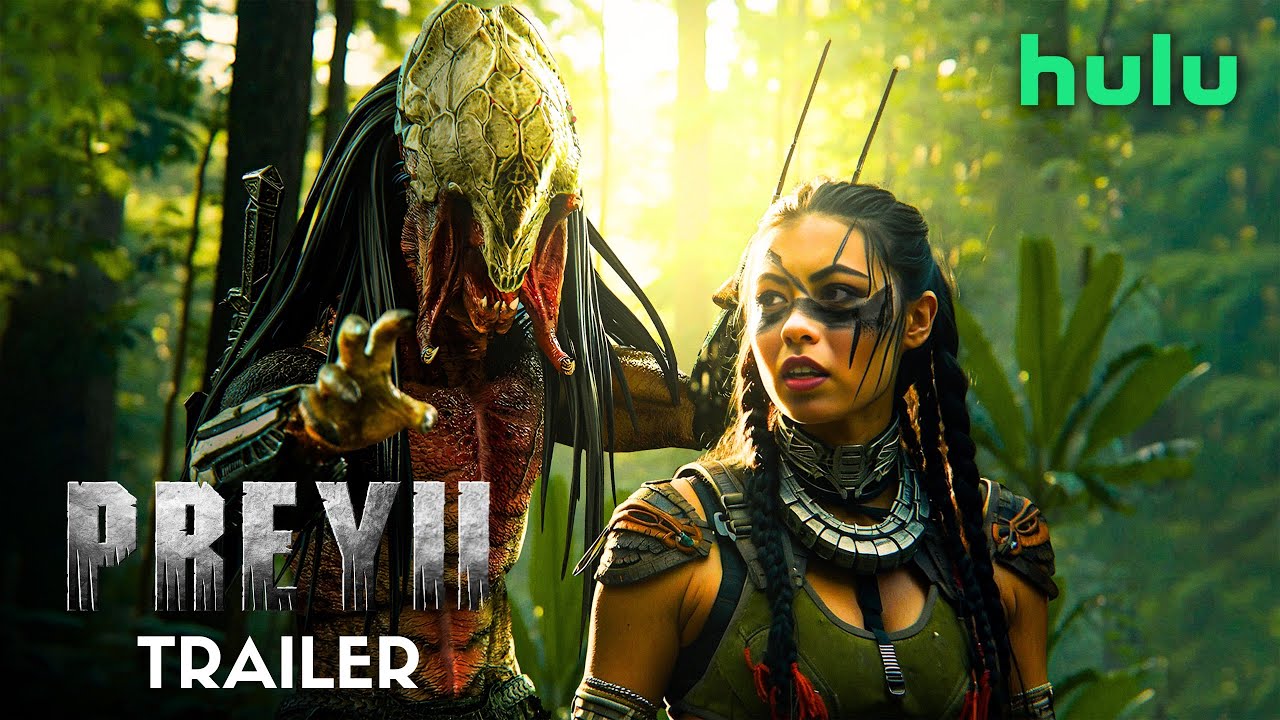
The Predator itself feels different—more advanced, more calculating. It doesn’t just track its prey; it studies it. Every encounter becomes a test, a measure of strength and intelligence. But this time, its advantage isn’t absolute.
Visually, the film leans into contrast. Vast landscapes stretch under harsh light, while shadows conceal movement and intent. The use of space feels deliberate—open areas offer exposure, while dense terrain becomes a maze of tension. Every setting serves the hunt.
The action is sharp and grounded. There’s no excess, no wasted movement. Each confrontation feels like a chess match played at lethal speed. When violence erupts, it’s quick, precise, and carries immediate consequence.
Dialogue is minimal, but effective. The story relies more on observation than explanation. Characters communicate through action, through silence, through the choices they make under pressure. It creates a sense of realism that heightens the tension.
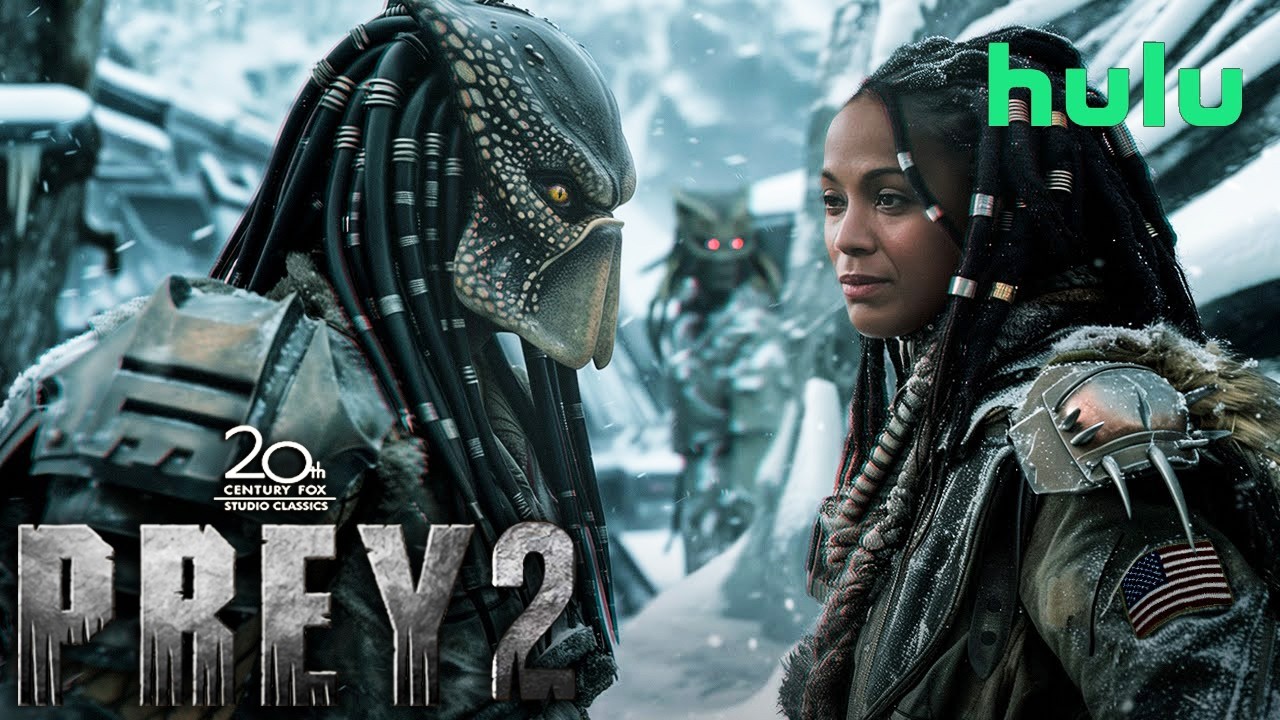
There’s also a deeper layer of theme running beneath the surface. The film explores balance—between hunter and hunted, between strength and adaptation. It questions what defines dominance in a world where survival is constantly challenged.
Midway through, the narrative shifts. The hunt expands, becoming less predictable. Alliances form, strategies change, and the lines between predator and prey begin to blur. It’s no longer about one creature hunting many—it’s about a system of survival colliding.
The pacing remains tight, never allowing the tension to fade. Even in quieter moments, there’s a sense that something is always watching, always waiting. The film understands that anticipation can be just as powerful as action.
As the final act approaches, the film doesn’t aim for spectacle—it aims for impact. Every move feels earned, every decision final. There’s no guarantee of victory, only the chance to endure.
What lingers after the film ends isn’t just the thrill of the hunt—it’s the shift in power. The realization that survival isn’t about being stronger… it’s about being smarter, faster, and willing to change.
Prey 2 (2026) doesn’t just continue the story. It redefines it—turning the hunt into something deeper, more dangerous, and far more unpredictable than ever before.