BLADE 4 — The night belongs to monsters… but he’s still hunting
- HoYen
- April 27, 2026
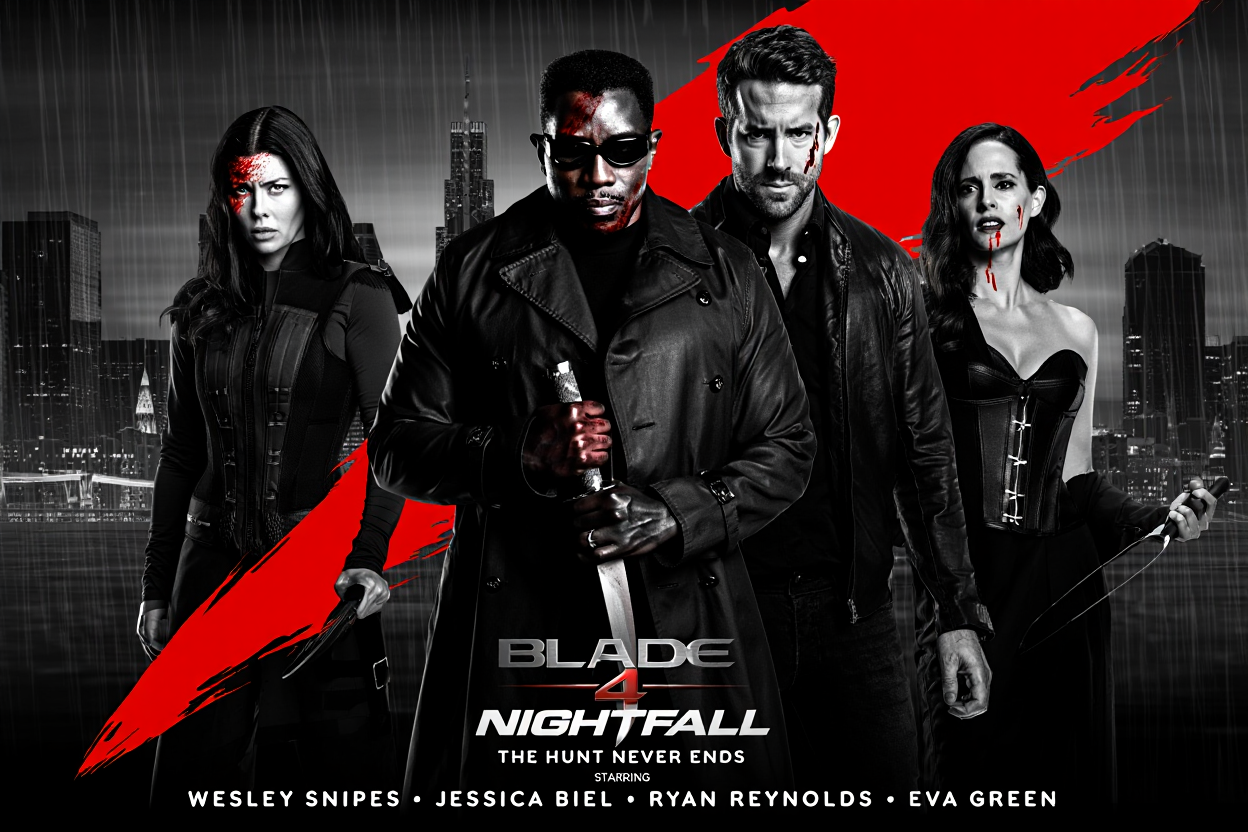
There’s a darkness in Blade 4 (2026) that feels older, heavier—like something that never truly disappeared, only hid itself better. This isn’t a return to the fight. It’s the realization that the war was never over.
From the very first frame, the film establishes a world that has changed. The line between human and vampire is no longer clear. The shadows feel deeper, the city quieter, as if something is moving beneath it all—unseen, organized, patient. And then Blade steps back into it… not as a hero, but as a consequence.
Blade isn’t the same man. Time hasn’t softened him—it’s sharpened him. There’s less anger, more control. Every movement is precise, every decision calculated. He doesn’t hunt out of instinct anymore. He hunts because he understands what happens if he stops.
What makes this chapter compelling is its shift in power. Vampires are no longer hiding in the dark—they’re evolving within it. Smarter, more coordinated, and far more dangerous. This isn’t chaos. It’s structure. And that makes it harder to break.
The action is brutal, but purposeful. There’s no excess, no wasted movement. Every fight feels personal, grounded in something deeper than survival. Blade doesn’t just eliminate threats—he dismantles them, piece by piece.
Visually, the film leans into contrast. Neon lights cut through darkness, reflecting off rain-soaked streets. Interiors feel cold, controlled, almost sterile—like the world itself is being reshaped into something inhuman. It creates a constant tension between what is seen and what is hidden.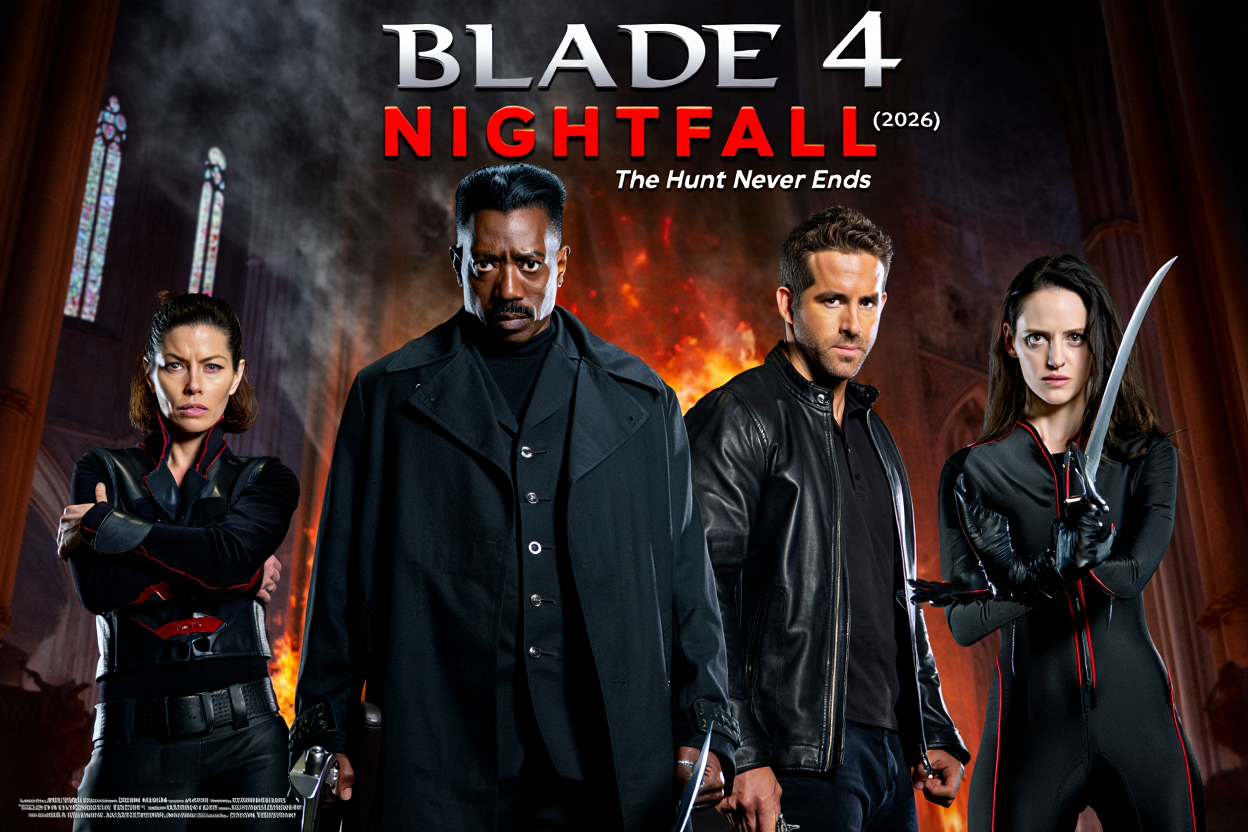
Dialogue is minimal, but sharp. Blade speaks less, but when he does, it carries weight. Around him, others talk of control, of a new order, of a future where vampires no longer need to hide. But Blade doesn’t negotiate with that idea—he confronts it.
There’s also a deeper exploration of identity. Blade has always existed between two worlds, but here, that divide feels more unstable. The question isn’t just what he is—it’s what he chooses to be, in a world that’s changing faster than he can control.
Midway through, the film shifts. What begins as a hunt becomes something larger—a system, a network, a plan that goes beyond simple survival. Blade isn’t just fighting enemies anymore. He’s fighting an evolution.
The pacing remains tight, never allowing the tension to drop. Even in quieter moments, there’s a sense that something is building, something waiting just beneath the surface. And when it breaks, it doesn’t hold back.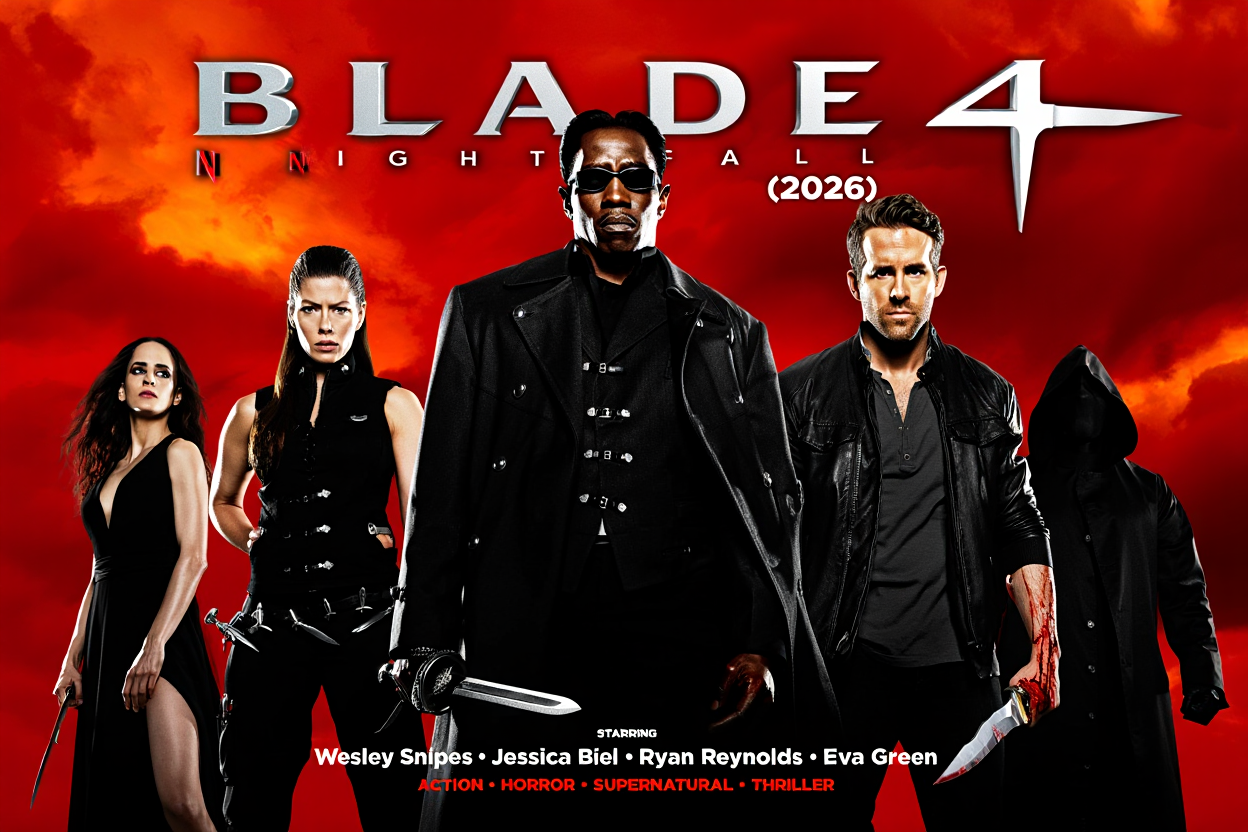
As the final act approaches, the film doesn’t aim for spectacle—it aims for impact. Every move feels final, every decision irreversible. There’s no illusion of safety, no guarantee of victory. Only the certainty of conflict.
What lingers after the film ends isn’t just the action—it’s the realization that some battles don’t end. They adapt. They grow. And sometimes, the only way to stop them… is to become something just as relentless.
Blade 4 (2026) isn’t just a sequel. It’s a continuation of a war that never stopped—and a reminder that in a world consumed by darkness, survival belongs to the one who refuses to fade into it.