From the opening moments, the world feels older, heavier. Middle-earth is no longer just a land of adventure—it carries the weight of histories long erased. The map is incomplete, the path uncertain, and every step forward feels like trespassing into a story that was never meant to be retold.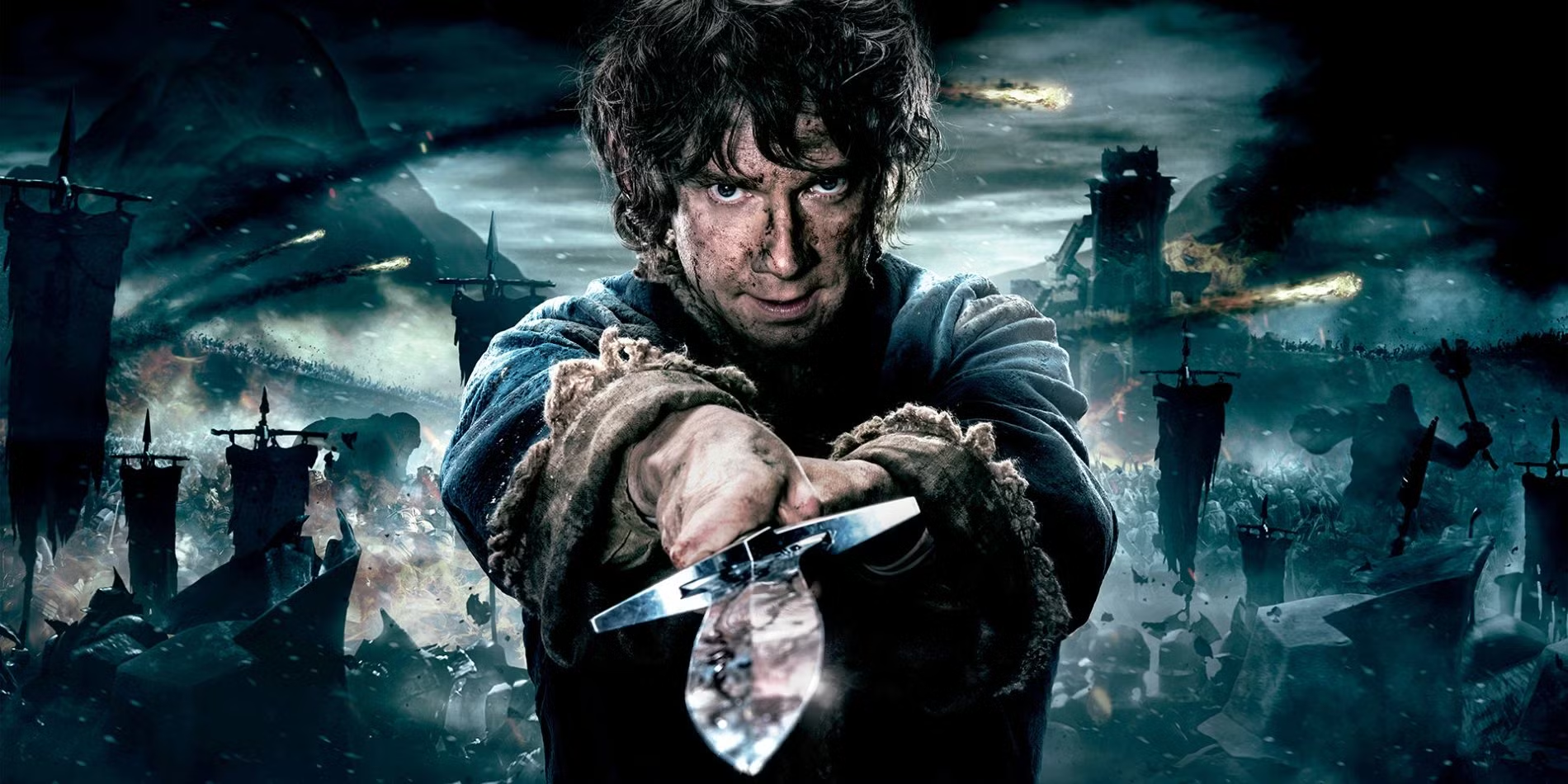
What makes this chapter compelling is its sense of unease. Unlike the familiar quests of treasure and triumph, this journey is driven by whispers—rumors of a kingdom lost to time, a crown tied to power that few truly understand. It’s not just about finding it… it’s about surviving what remains.
The characters move with caution, shaped by the legends they’ve heard and the truths they don’t yet know. There’s no clear heroism here—only curiosity, ambition, and the quiet fear of what might be waiting in the dark. Every decision feels like a risk, every discovery a potential mistake.
Visually, the film embraces scale in a different way. Instead of vast open landscapes, it draws you into hidden depths—ruins swallowed by earth, halls carved into shadow, structures that feel both majestic and unsettling. Light becomes rare, and when it appears, it reveals more than it comforts.
The tone is darker, more introspective. There’s less emphasis on spectacle and more on atmosphere. Silence carries weight, and even the smallest sound feels amplified in the emptiness of forgotten spaces. It’s a world that feels alive… but not welcoming.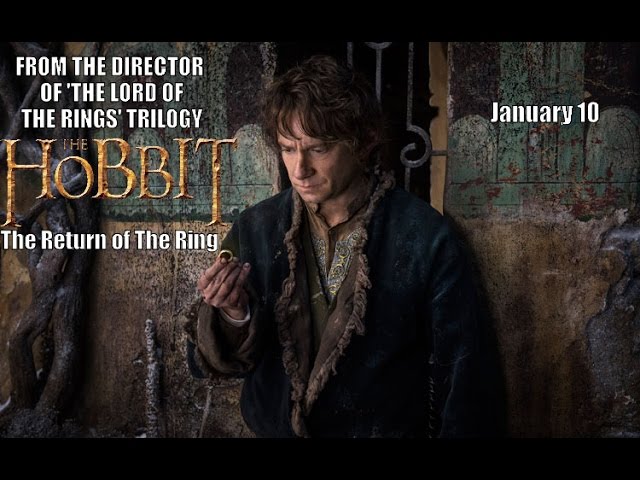
Dialogue is restrained, often filled with hesitation. Characters speak in fragments, as if unsure of what can be trusted. Old languages, half-remembered tales, and cryptic warnings weave through their conversations, adding layers to the mystery without fully revealing it.
At the heart of the story lies the idea of legacy. The forgotten kingdom isn’t just a place—it’s a consequence. A reminder that power, once lost, doesn’t disappear. It waits. And those who seek it may not understand the cost until it’s too late.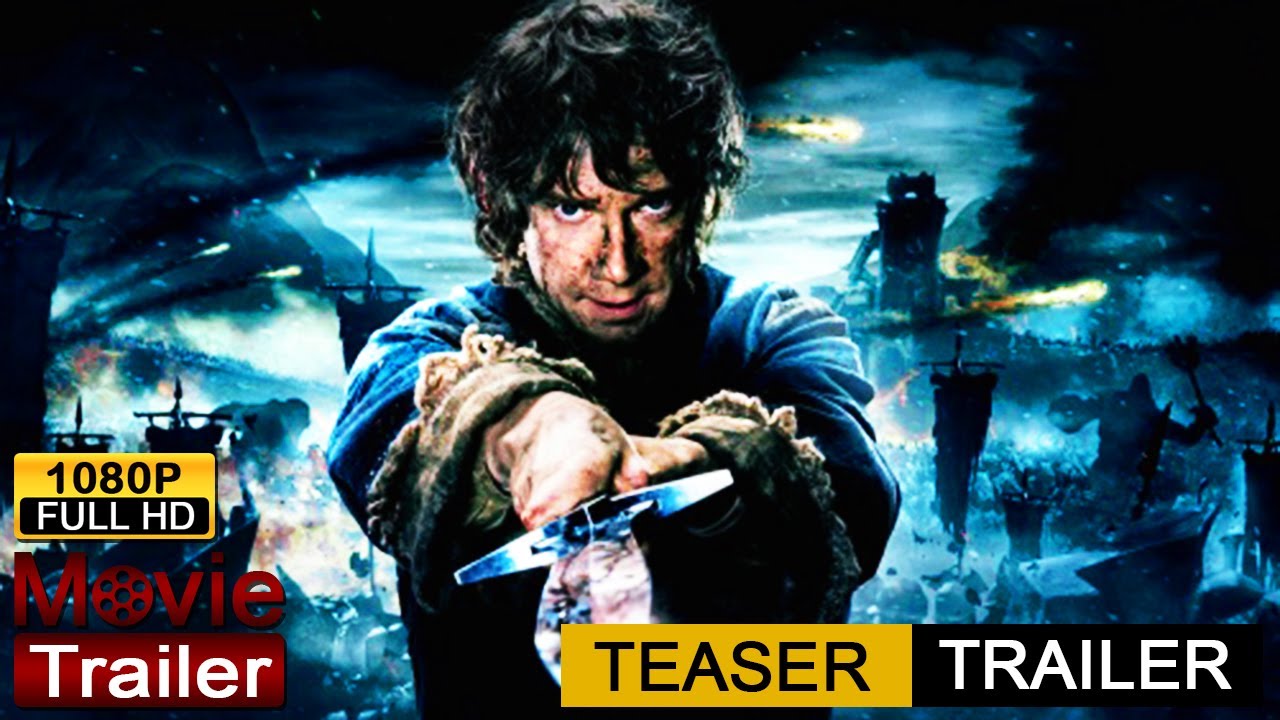
Midway through, the journey shifts. What began as exploration becomes something more urgent. The kingdom reveals itself not as abandoned, but altered—changed by time, by something unseen. The deeper they go, the harder it becomes to turn back.
The pacing reflects this descent. It starts measured, almost cautious, before gradually tightening into something more intense. By the final act, every moment feels charged, every choice irreversible. The sense of inevitability becomes impossible to ignore.
What lingers after the film ends isn’t just the mystery—it’s the warning. The idea that not all lost things are meant to be found. That some kingdoms are forgotten not by accident… but by necessity.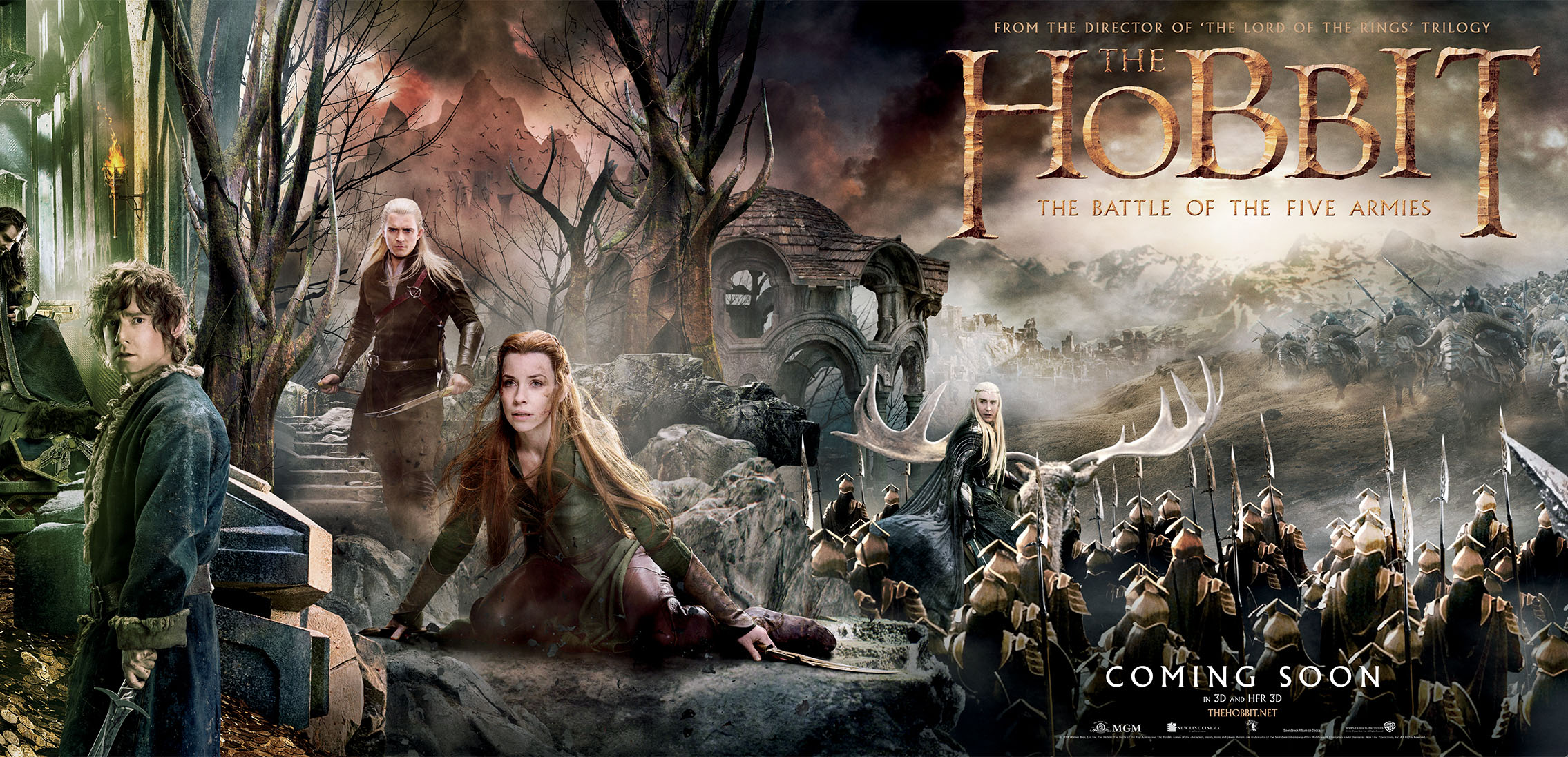
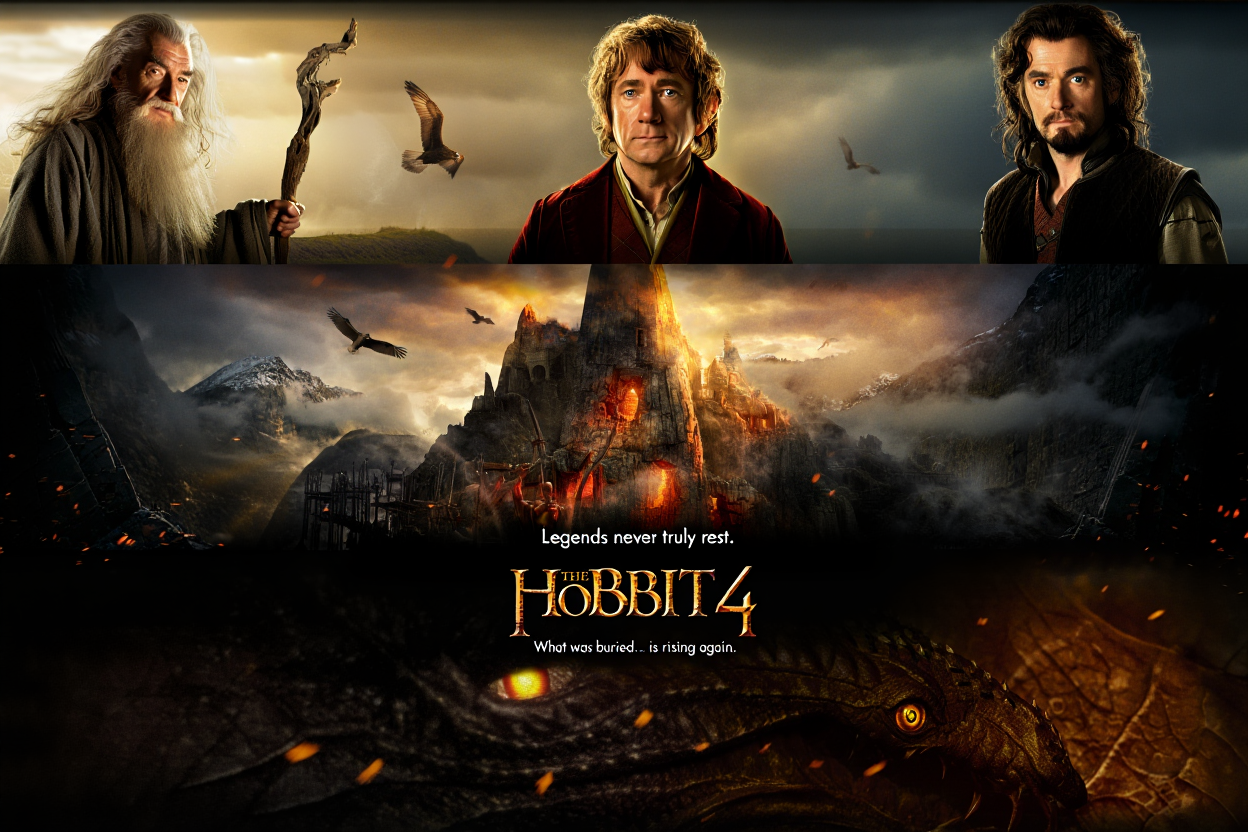
The Hobbit 4: The Forgotten Kingdom (2026) isn’t just another journey through Middle-earth. It’s a descent into its shadows—where history fades, truth distorts, and the past refuses to stay buried.